
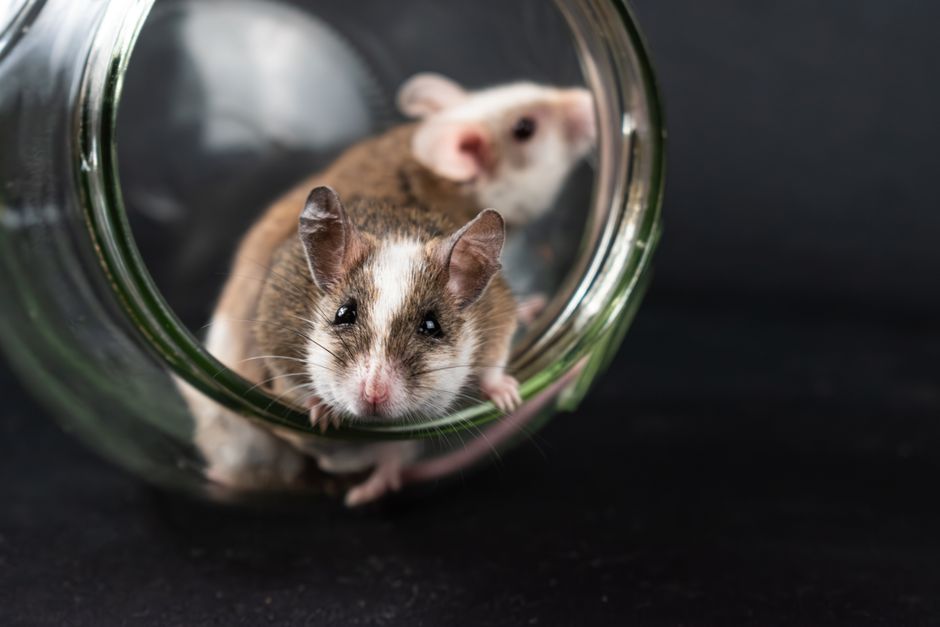
Introducing mice to each other safely requires a careful, gradual process called neutral territory introduction, where two unfamiliar mice meet in a clean, unfamiliar space with close supervision. The safest method is to pair mice of the same sex, typically in pairs or small groups, and to introduce them when they are young, as adult mice can be territorial and aggressive. Never simply place a new mouse into an established cage, as this almost always triggers a fight and serious injury.
Why Do Mice Fight When Introduced?
Mice are territorial animals. In the wild, they defend their home range from strangers. A cage is their territory. When a new mouse enters that space, the resident mouse sees it as an intruder, not a companion. This triggers an instinctive aggressive response.
Fighting is not just about dominance. It can be a genuine threat to the new mouse’s life. Serious bites can become infected, and a smaller or younger mouse can be killed within minutes. This is why the introduction method matters more than the individual personalities of the mice.
Male mice are particularly prone to fighting. Females are generally more social, but they can still fight, especially if introduced incorrectly. Even with the best introduction method, some mice simply will not get along.
What Is the Best Way to Introduce Mice to Each Other?
The most reliable method is the neutral tank introduction. This means neither mouse has ever been in the space before. A clean, empty aquarium or plastic bin works well. Remove all toys, bedding, and food bowls that carry scent.
Place both mice in this neutral space at the same time. Keep the session short — 10 to 15 minutes is enough for a first meeting. Watch them closely the entire time. Some sniffing, grooming, and chasing is normal. This is how they establish a social order.
Separate them before any real aggression begins. A brief squeak or a quick lunge is not necessarily a fight, but persistent chasing, loud squeaking, or fur puffing means it is time to end the session. Do not wait for a bite to happen.
Repeat these short neutral meetings daily. Some mice bond within a day or two. Others need a week or more of daily sessions. You are looking for calm, relaxed behavior — mice sleeping side by side, grooming each other, or eating together without tension.
How To Introduce Mice To Each Other Safely: Step-by-Step
Follow this sequence for the highest chance of success. Each step builds on the last, and skipping steps increases the risk of a fight.
- Quarantine first. Keep any new mouse in a separate room for at least two weeks. This protects your existing mice from illness. It also gives the new mouse time to settle and reduces stress.
- Swap bedding. After quarantine, place a small amount of used bedding from each mouse’s cage into the other’s cage. This lets them get used to each other’s scent without direct contact. Do this for several days.
- Use the neutral tank. Begin short, supervised meetings in a clean, unfamiliar space. Keep sessions brief and positive.
- Clean the main cage. Before letting them live together, completely clean the main cage. Use fresh bedding, fresh toys, and rearrange the layout. This removes all territorial scent marks.
- Introduce on neutral ground. Place both mice into the freshly cleaned cage at the same time. Never put the new mouse into the resident mouse’s dirty cage.
- Monitor closely for 24 to 48 hours. Watch for any signs of fighting. Be prepared to separate them immediately if aggression occurs.
This process works because it removes the territorial advantage. Neither mouse feels the need to defend the space because neither mouse owns it yet.





Signs of Aggression to Watch For
Not all mouse behavior looks aggressive to an untrained eye. You need to know the difference between normal social behavior and a real threat.
Normal behavior includes sniffing, following each other around, allogrooming (grooming each other), and sleeping in a pile. These are good signs. They mean the mice are becoming comfortable.
Warning signs include tail rattling, which sounds like a rapid vibration, and piloerection, where the fur stands up so the mouse looks bigger. Raised tails, lunging, and boxing on hind legs are also aggressive signals. Loud, persistent squeaking is a sign of distress, not communication.
If you see blood, separate the mice immediately. Even a small wound can become infected. Do not try to reintroduce them after a serious fight. Once mice have fought to the point of injury, they rarely become cage mates.
Which Mice Are Easiest to Introduce?
Age and sex are the two biggest factors in successful introductions. Young mice are far more adaptable than adults. Introducing mice before they reach sexual maturity, around 6 to 8 weeks of age, gives the best chance of a peaceful bond.
Female mice are generally easier to introduce than males. A pair or small group of females will often bond quickly, especially if they are young. Male mice can bond successfully, but the risk of fighting is higher, and some male pairs will never get along regardless of the introduction method.
A single male and a single female should never be introduced unless you intend to breed them. They will produce a litter roughly three weeks later. If you do not want baby mice, keep males and females completely separate.
What If the Introduction Fails?
Sometimes mice simply do not get along. This is not a reflection of your technique. Individual personalities play a large role, and some mice are naturally solitary.
If introductions fail repeatedly, keep the mice in separate cages. They can still live happily in the same room, as long as they cannot physically reach each other. Many pet owners keep single mice successfully, provided the mouse gets plenty of human interaction and enrichment.
Do not force a bond. Forcing mice to live together after repeated fighting is cruel and dangerous. The weaker mouse will live in constant fear, and the risk of serious injury is high. Separate housing is always the safer option.
Common Mistakes to Avoid
The most common mistake is rushing the process. People put a new mouse into the resident cage because they want the mice to “work it out.” This is the single most dangerous thing you can do. The resident mouse will defend its territory, and the new mouse will be attacked.
Another mistake is introducing mice in a small space. A small carrier or travel box gives them no room to escape each other. A larger neutral space allows a frightened mouse to retreat, which reduces the chance of a fight escalating.
Finally, do not leave newly introduced mice unsupervised overnight. Even after a successful neutral introduction, the first night together in the main cage is the highest-risk period. Monitor them as closely as your schedule allows, and have a backup cage ready in case you need to separate them quickly.
Frequently Asked Questions
How long does it take to introduce mice to each other?
Most successful introductions take anywhere from a few days to two weeks of daily neutral meetings. Some mice bond within 48 hours, while others need more time.
Can I introduce two adult male mice?
Yes, but the risk of fighting is significantly higher than with females or young mice. Even with a perfect introduction, some adult males will never accept each other.
What should I do if my mice start fighting?
Separate them immediately to prevent injury. Do not use your bare hands — use a small container or towel to scoop one mouse out. If they have drawn blood, do not attempt reintroduction.
Is it safe to introduce mice of different ages?
Introducing a young mouse to an adult can work, but the adult may see the younger mouse as a threat or as prey. Same-age introductions are generally safer and more successful.
