
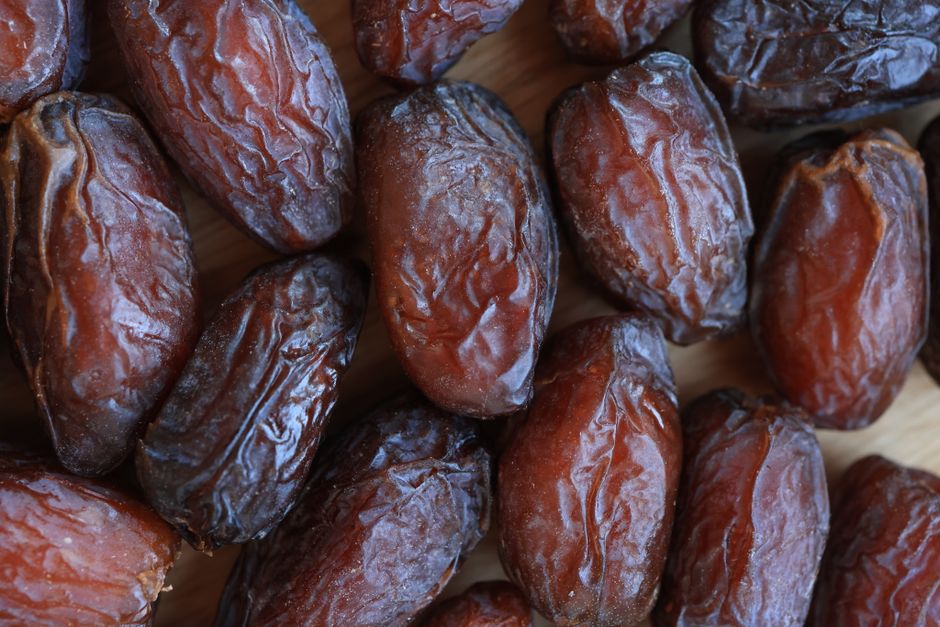
Dates are the fruit of the date palm tree, scientifically known as Phoenix dactylifera. They grow in large clusters on female palm trees, primarily in hot, arid regions of the Middle East, North Africa, and parts of the United States like California and Arizona. The fruit itself is a single drupe, meaning it has one seed surrounded by a fleshy, sweet outer layer that we eat.
What Is The Fruit Date Made From? Explained
At its most basic level, a date fruit is the edible reproductive structure of the date palm. When a date palm flowers, it produces clusters of small blossoms. Once pollinated, these blossoms develop into the dates we see in stores. Each date contains a single elongated seed, often called a pit or stone. The edible part of the fruit is the pericarp, which is the botanical term for the tissue that develops from the flower’s ovary wall. This tissue stores sugars and water to nourish the seed, and that stored energy is what makes dates so sweet and calorie-dense.
The fruit goes through distinct stages of ripeness. Farmers typically harvest dates at the “rutab” stage, when they are soft, brown, and fully ripe, or the “tamr” stage, when they are sun-dried and have a chewy texture. The drying process concentrates the natural sugars, which is why dried dates are sweeter and have a longer shelf life than fresh ones.
What Are the Main Nutrients Inside a Date?
Dates are primarily composed of carbohydrates. About 75 to 80 percent of a dried date’s weight is sugar, mainly glucose and fructose. This makes them a quick source of energy. They also contain a small amount of protein and almost no fat. A typical serving of two or three dates provides a modest number of calories, usually around 100 to 150, depending on the size and variety.
Beyond sugars, dates provide several important micronutrients. They are a good source of potassium, magnesium, and copper. They also contain small amounts of B vitamins, particularly vitamin B6. Dates are notably rich in fiber, which supports digestive health. The fiber content slows down the absorption of sugar, which means eating dates does not spike blood sugar as rapidly as eating pure sugar alone, though they are still a high-sugar food.
Dates also contain plant compounds called polyphenols. These are antioxidants that help protect cells from damage caused by free radicals. The specific types and amounts of these compounds vary by date variety and how the fruit is processed, but they contribute to the fruit’s overall nutritional value.
Are Dates the Same as the Fruit of Other Palm Trees?
No. The date palm is a specific species, and not all palm trees produce edible fruit. Many ornamental palm trees grown in backyards or along streets produce small, hard, inedible berries or drupes. The fruit you buy in the store comes exclusively from cultivated varieties of Phoenix dactylifera.
There are hundreds of cultivated varieties, each with its own flavor profile, texture, and sugar content. Medjool dates are large, soft, and caramel-like. Deglet Noor dates are smaller, firmer, and less sweet. Other varieties like Barhi and Halawy are also popular in different regions. The variety affects the taste and texture, but all true dates share the same basic structure and nutritional composition.
It is also worth noting that the “date palm” is distinct from the “sugar palm” or “palmyra palm,” which produce different types of sap and fruit. These are not interchangeable with the dates you find in grocery stores.





How Are Dates Processed and Packaged?
Most dates sold commercially are dried to some degree. Fresh dates are highly perishable and have a short shelf life. Drying removes moisture, which prevents mold and bacterial growth. Some dates are left on the tree to dry naturally. Others are harvested and dried mechanically in controlled environments. The drying method affects the final texture. Soft varieties like Medjool are often partially dried and kept moist, while firmer varieties like Deglet Noor are dried more thoroughly.
After drying, dates are often pitted. The pit is removed by machine, and the date is then re-shaped or left as is. Some commercial dates are coated with a thin layer of glucose syrup or vegetable oil to keep them from sticking together and to preserve moisture. This is common in mass-produced packages. If you want to avoid added ingredients, check the label. Dates labeled simply as “dates” with no other ingredients are minimally processed.
Date paste and date syrup are also common products. Date paste is made by grinding whole dates into a thick spread. Date syrup, sometimes called date honey or silan, is made by extracting the liquid from cooked dates. These products are used as sweeteners in baking and cooking and contain the same sugars and some of the fiber found in whole dates.
Do Dates Have Health Benefits Beyond Being a Sweetener?
Dates are often promoted as a healthier alternative to refined sugar, and there is some evidence to support this. Because they contain fiber, potassium, and antioxidants, they offer nutrients that white sugar does not. Swapping refined sugar for dates in recipes adds those nutrients and a chewy texture. However, dates are still a concentrated source of sugar and calories. The health benefit comes from replacing less nutritious sweeteners, not from eating unlimited quantities of dates.
One area where dates have been studied specifically is pregnancy. Some research suggests that eating dates in the final weeks of pregnancy may be associated with favorable labor outcomes, such as a higher likelihood of natural labor and shorter labor duration. The evidence is not conclusive, and it should not be interpreted as a guarantee. Pregnant women should discuss their diet with their healthcare provider, but adding a few dates to the diet is generally considered safe for most women.
For the general population, the fiber in dates supports regular bowel movements and feeds beneficial gut bacteria. The potassium content helps maintain normal blood pressure and muscle function. These are real benefits, but they are modest and similar to what you would get from other fruits like figs, prunes, or bananas.
Can Eating Dates Help with Blood Sugar Control?
Dates have a moderate glycemic index, which measures how quickly a food raises blood sugar. Because they contain fiber and some protein, dates are absorbed more slowly than pure glucose. However, the exact glycemic response varies by variety and ripeness. Riper dates have higher sugar content and may raise blood sugar more quickly.
For people with diabetes, dates can be eaten in moderation, but portion control is critical. A reasonable serving is one to two dates, not a whole bowl. The American Diabetes Association does not specifically endorse dates, but the general principle applies: any high-carbohydrate food must be counted as part of the meal plan. Dates are not a “free” food, and they should not be consumed without accounting for their carbohydrate content.
If you are managing blood sugar, pairing dates with a source of protein or fat, such as nuts or cheese, can slow sugar absorption further. This is a practical strategy, but it does not make dates a low-sugar food. The total carbohydrate load still matters.
Are There Any Risks or Downsides to Eating Dates?
Dates are safe for most people, but there are a few considerations. The high sugar content means they can contribute to tooth decay if eaten frequently without proper dental hygiene. Sticky dried fruits can cling to teeth, so rinsing with water or brushing after eating is advisable.
People with irritable bowel syndrome or other digestive sensitivities may find that dates cause bloating or gas. This is due to the fiber and certain sugars called FODMAPs. Some date varieties are lower in FODMAPs than others, but tolerance varies from person to person. If you have digestive issues, start with a small amount and see how your body responds.
Dates are also calorie-dense. It is easy to eat several dates without feeling full, and the calories add up quickly. If weight management is a goal, treat dates like any other sweet food and measure your portions. There is no evidence that dates are harmful in normal dietary amounts, but they are not a low-calorie food.
Frequently Asked Questions
Is a date fruit a dried fruit or a fresh fruit?
Dates are naturally a fresh fruit, but most of what is sold commercially is dried to some degree. Fresh dates are soft and perishable, while dried dates are chewy and have a longer shelf life.
Can you eat the pit inside a date?
No, the pit is too hard to chew and is not digestible. It is typically removed before eating, though some people use date pits to make a caffeine-free coffee substitute.
Are dates healthier than sugar?
Dates contain fiber, potassium, and antioxidants that white sugar lacks, so they are a more nutritious choice. However, they are still a concentrated source of sugar and should be used in moderation.
How many dates can I eat in a day?
There is no official guideline, but a reasonable serving is two to three dates per day. This provides a sweet snack with some fiber and minerals without excessive sugar and calories.
