
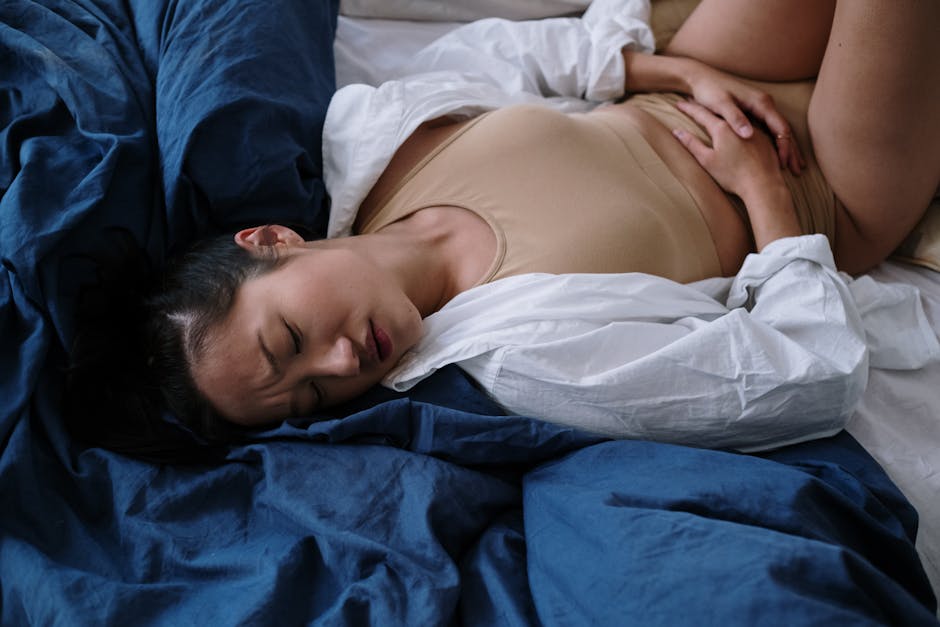
Yes, night sweats are one of the most common symptoms of menopause. They are the nighttime version of hot flashes—your body suddenly overheats, you wake up drenched in sweat, and it can happen multiple times in a single night. For many women, night sweats begin during perimenopause and continue through menopause. They are caused by hormonal changes that affect your body’s internal thermostat. While uncomfortable, they are a normal part of this transition.
Around 75% of women going through menopause experience hot flashes or night sweats. For some women, these episodes are mild and infrequent. For others, they are severe enough to disrupt sleep and daily functioning. Understanding what causes them and what helps can make this phase more manageable.
Why Does Menopause Cause Night Sweats?
Night sweats happen because declining estrogen levels disrupt the hypothalamus. This is the part of your brain that regulates body temperature. When estrogen drops, the hypothalamus becomes hypersensitive. It misinterprets small temperature changes as overheating and triggers sweating to cool you down—even when you are not actually too hot.
This process typically begins during perimenopause, the transition period before menopause. Perimenopause can start in your 40s or even late 30s. Hormone levels fluctuate unpredictably during this time, which is why night sweats may come and go or vary in intensity. Once you reach menopause—defined as 12 months without a period—hormone levels stabilize at a lower baseline, but night sweats can still persist for years.
Some women experience night sweats for a few months. Others deal with them for five years or more. There is no single timeline. Factors like genetics, stress levels, and overall health all influence how long symptoms last.
What Are the Other Symptoms That Appear With Night Sweats During Menopause?
Night sweats rarely show up alone. Most women experience them alongside other menopause symptoms. The most common companion is daytime hot flashes—sudden waves of heat that spread across your face, neck, and chest. These can happen without warning and last anywhere from 30 seconds to several minutes.
Sleep disruption is another major issue. Even if you fall back asleep after a night sweat, the quality of your rest suffers. Poor sleep then contributes to other symptoms like mood swings, irritability, difficulty concentrating, and fatigue. Some women describe feeling mentally foggy or forgetful—often called “brain fog.”
Other common symptoms during this time include irregular periods, vaginal dryness, reduced libido, joint pain, and changes in skin texture. Weight gain around the midsection is also common as metabolism slows. Not every woman experiences all of these, but night sweats combined with sleep problems tend to amplify whatever else is happening.
How Can You Tell If Night Sweats Are From Menopause or Something Else?
Night sweats are not exclusive to menopause. Several other conditions can cause them, which is why it is worth ruling out other possibilities if they are severe or accompanied by other concerning symptoms.
Infections like tuberculosis or HIV can cause persistent night sweats. Certain cancers, particularly lymphoma, may present with drenching sweats that soak your sheets. Hyperthyroidism speeds up your metabolism and can make you sweat excessively at night. Anxiety disorders and panic attacks also trigger sweating. Some medications—especially antidepressants and blood pressure drugs—list night sweats as a side effect.
Here is how menopause-related night sweats typically differ from other causes:
| Feature | Menopause-Related | Other Causes |
|---|---|---|
| Age | Usually 40s to 50s | Any age |
| Daytime hot flashes | Common | Rare |
| Menstrual changes | Irregular or absent periods | Periods usually normal |
| Other symptoms | Mood changes, vaginal dryness | Weight loss, persistent fever, swollen lymph nodes |
If you are in the typical age range for menopause and experiencing irregular periods along with night sweats, menopause is the likely cause. If you have unexplained weight loss, fevers, or night sweats that started suddenly without other menopause symptoms, see a doctor. Blood tests can check hormone levels and rule out thyroid problems or infections.





What Helps Reduce Night Sweats During Menopause?
Managing night sweats involves a combination of lifestyle adjustments and sometimes medical treatment. What works varies from person to person, but several strategies have strong evidence behind them.
Environmental changes make a difference. Keep your bedroom cool—ideally between 60 and 67 degrees Fahrenheit. Use breathable cotton sheets and sleepwear. Some women find moisture-wicking fabrics designed for athletes helpful. A fan near the bed or a cooling pillow can provide relief during an episode.
Certain triggers make night sweats worse. Common ones include:
- Alcohol, especially red wine
- Spicy foods
- Caffeine, particularly in the afternoon or evening
- Hot showers or baths right before bed
- Heavy meals close to bedtime
- Stress and anxiety
Tracking when your night sweats occur and what you ate or did beforehand can help identify your personal triggers. Stress management through yoga, meditation, or deep breathing exercises helps some women reduce frequency and severity.
Hormone replacement therapy (HRT) is the most effective medical treatment for night sweats and hot flashes. Studies show it reduces symptoms by 75% or more in most women. HRT replaces the estrogen your body is no longer producing. It comes in pills, patches, gels, and creams. For women who still have a uterus, progesterone is added to protect the uterine lining.
HRT is not right for everyone. Women with a history of breast cancer, blood clots, or certain heart conditions may not be candidates. The decision to use HRT should involve a conversation with your doctor about your specific health history and symptom severity.
Non-hormonal prescription options exist. Low-dose antidepressants like paroxetine and venlafaxine reduce hot flashes and night sweats in some women. Gabapentin, a medication originally developed for seizures, also shows benefit. These are less effective than HRT but work for women who cannot or prefer not to use hormones.
Over-the-counter supplements are widely marketed for menopause symptoms. Black cohosh, soy isoflavones, and red clover are popular choices. As of 2026, evidence for these remains mixed. Some small studies suggest modest benefit, but results are inconsistent. They are generally safe but not as reliably effective as prescription treatments.
Related Posts
Frequently Asked Questions About Night Sweats and Menopause
How long do night sweats last during menopause?
Most women experience night sweats for two to five years, though some have them for a decade or longer. The duration varies widely based on individual factors including genetics and overall health. Symptoms typically peak during the first year after your final period.
Can you prevent night sweats from starting?
You cannot prevent night sweats entirely since they are driven by hormonal changes. However, maintaining a healthy weight, managing stress, avoiding triggers like alcohol and spicy foods, and staying physically active may reduce their frequency and severity.
Are night sweats dangerous?
Night sweats themselves are not dangerous, though they disrupt sleep and quality of life. The real concern is ruling out other causes like infections or thyroid problems. If night sweats are severe, persistent, or accompanied by unexplained weight loss or fever, see a doctor.
Do all women get night sweats during menopause?
No. About 75% of women experience hot flashes or night sweats during menopause, but 25% do not. Severity also varies dramatically—some women barely notice them while others find them debilitating. Why some women are more affected than others is not fully understood.
