
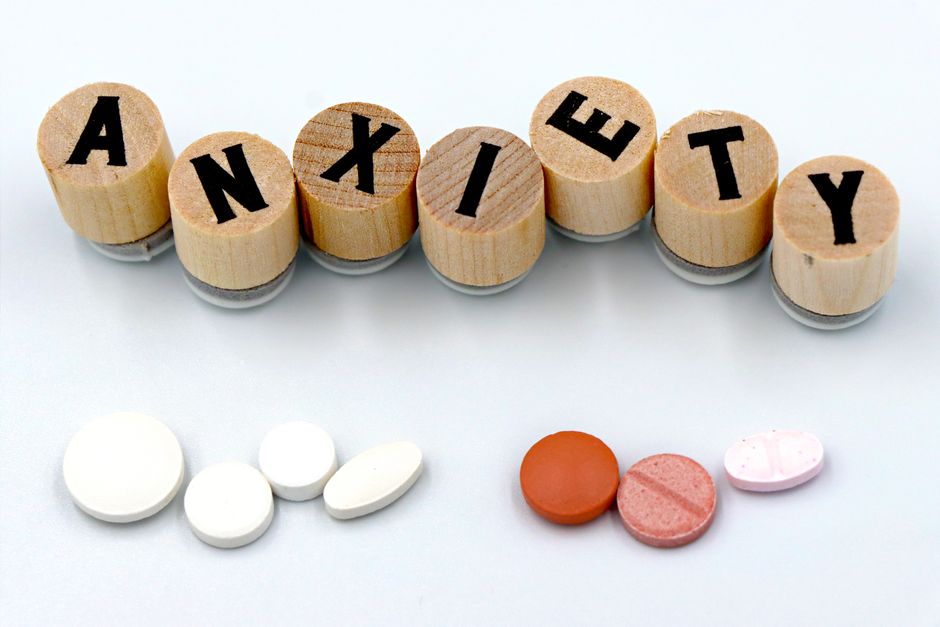
Anxiety affects millions of people worldwide, and learning how to reduce it can dramatically improve your quality of life. The most effective approaches combine evidence-based techniques like cognitive behavioral therapy, regular physical activity, adequate sleep, and specific breathing exercises. While medication works for some people, research shows that lifestyle changes and psychological strategies often produce lasting results without side effects.
Understanding what actually works requires looking past the noise. Not every popular remedy has real evidence behind it, and some overhyped solutions waste time and money. The good news is that several proven methods can significantly reduce anxiety when applied consistently.
What Causes Anxiety and Why Does It Feel So Overwhelming?
Anxiety is your brain’s alarm system responding to perceived threats. When this system fires too often or too intensely, it creates the physical and mental symptoms you recognize as anxiety. Your heart races, your thoughts spiral, and your body tenses up preparing for danger that often isn’t actually there.
The causes vary widely between people. Genetics play a role for some. Stressful life events trigger it in others. Sometimes anxiety develops without any clear cause at all. Brain chemistry, particularly involving neurotransmitters like serotonin and GABA, influences how intensely you experience anxious feelings.
Chronic stress keeps your nervous system in a heightened state. When you never fully relax, your baseline anxiety level creeps upward. Poor sleep amplifies this effect. Your brain needs deep sleep to process emotions and reset its stress response system. Miss that regularly and anxiety becomes harder to manage.
Understanding the cause matters less than finding what reduces your symptoms. Two people with identical anxiety levels might respond differently to the same intervention. That’s why having multiple evidence-based options helps.
Does Exercise Actually Reduce Anxiety?
Physical activity is one of the most consistently effective anxiety reducers according to decades of research. Studies show that regular exercise works as well as some anti-anxiety medications for mild to moderate anxiety, and it carries zero risk of dependency.
When you exercise, your body releases endorphins and other neurochemicals that improve mood. Your brain also produces more brain-derived neurotrophic factor, which supports the growth of new neural connections. These biological changes help regulate the stress response system over time.
The type of exercise matters less than consistency. Brisk walking for 30 minutes five times weekly shows measurable anxiety reduction in research studies. So does swimming, cycling, or any activity that elevates your heart rate. Yoga combines physical movement with breathing control, which some studies suggest may offer additional anxiety benefits beyond standard exercise.
You don’t need intense workouts to see results. Moderate activity sustained over weeks produces better outcomes than sporadic high-intensity sessions. The key is making it regular enough that your nervous system adapts to a lower baseline stress level.
Which Breathing Techniques Have Real Evidence?
Controlled breathing directly influences your autonomic nervous system. When you slow your breathing deliberately, you activate the parasympathetic nervous system, which counteracts the fight-or-flight response driving your anxiety.
Box breathing has solid research support. You breathe in for four counts, hold for four, exhale for four, and hold empty for four. Repeat this cycle for several minutes. Studies on military personnel and first responders show this technique reduces acute stress and anxiety reliably.
Diaphragmatic breathing, where you breathe deeply into your belly rather than shallowly into your chest, also shows consistent benefits. Most anxious people breathe from their chest without realizing it, which actually maintains the stress response. Switching to belly breathing for just five minutes can measurably lower anxiety in the moment.
The 4-7-8 technique involves breathing in for four counts, holding for seven, and exhaling for eight. Some practitioners promote this heavily, though research on it specifically is limited compared to box breathing. It likely works through similar mechanisms but hasn’t been studied as thoroughly as of 2026.


How Does Cognitive Behavioral Therapy Reduce Anxiety?
Cognitive behavioral therapy remains the most researched psychological treatment for anxiety disorders. It works by teaching you to identify anxious thought patterns and replace them with more realistic ones. This isn’t positive thinking or pretending problems don’t exist. It’s learning to recognize when your brain exaggerates threats.
A typical CBT approach involves tracking situations that trigger anxiety, noticing the automatic thoughts that arise, examining evidence for and against those thoughts, and developing balanced alternatives. Over time, this rewires how your brain interprets situations. You still feel anxiety when genuinely threatened, but you stop experiencing it in response to misinterpreted cues.
Studies consistently show CBT produces lasting anxiety reduction. Unlike medication, which stops working when you stop taking it, CBT teaches skills that continue benefiting you long after treatment ends. Many people see significant improvement within 12 to 16 weekly sessions.
You can access CBT through licensed therapists or through digital CBT programs. Research on app-based CBT shows meaningful anxiety reduction, though face-to-face therapy typically produces stronger effects. The best option depends on your anxiety severity and what resources you can access.
What Lifestyle Changes Make the Biggest Difference?
Sleep quality affects anxiety more than most people realize. When you sleep poorly, your amygdala becomes hyperactive the next day. That’s the brain region that processes fear and threat. Poor sleep literally makes you more reactive to stress.
Aiming for seven to nine hours nightly helps, but consistency matters as much as duration. Going to bed and waking at similar times every day stabilizes your circadian rhythm, which influences cortisol patterns and emotional regulation. Irregular sleep schedules keep your stress hormones fluctuating unpredictably.
Caffeine and alcohol both interfere with anxiety management despite their popularity. Caffeine stimulates the same physiological responses as anxiety: increased heart rate, heightened alertness, and nervous energy. If you’re already anxious, adding caffeine often intensifies symptoms. Alcohol might relax you initially but disrupts sleep architecture and can increase anxiety the following day.
Social connection reduces anxiety for most people. Isolation tends to worsen it. This doesn’t mean you need dozens of friends or constant social activity. Regular meaningful contact with even one or two trusted people provides measurable anxiety relief according to research on social support networks.
| Lifestyle Factor | Impact on Anxiety | Realistic Target |
|---|---|---|
| Sleep Duration | High – Poor sleep increases next-day anxiety significantly | 7-9 hours nightly with consistent schedule |
| Caffeine Intake | Moderate – Can worsen symptoms in sensitive individuals | Under 200mg daily, none after 2pm |
| Regular Exercise | High – Comparable to medication for mild anxiety | 30 minutes moderate activity 5x weekly |
| Social Contact | Moderate – Isolation worsens anxiety over time | Regular connection with 1-2 trusted people |
What About Supplements and Natural Remedies?
The supplement market for anxiety is massive and mostly unsupported by strong evidence. A few options have legitimate research behind them, but many popular products lack any clinical proof they work.
Magnesium shows modest anxiety reduction in some studies, particularly for people who are deficient. Many adults don’t get enough magnesium from diet alone. Supplementing with 200-400mg daily of magnesium glycinate appears safe and may help reduce anxiety symptoms, though effects are usually subtle.
L-theanine, an amino acid found in green tea, has limited but promising research. Some studies show it promotes relaxation without causing drowsiness. The evidence isn’t as strong as for CBT or exercise, but it carries little risk at typical doses of 200-400mg.
Ashwagandha is widely promoted for anxiety. A few small studies show potential benefits, but the research quality is mixed. Many studies showing positive results were funded by supplement manufacturers, which raises questions about bias. As of 2026, it’s not considered a proven anxiety treatment despite its popularity.
CBD oil is aggressively marketed for anxiety. Current research shows mixed results, with some studies finding benefits and others finding none. The lack of regulation means CBD products vary wildly in actual content and purity. It’s not the miracle cure marketing suggests.
Before trying any supplement, understand that natural doesn’t automatically mean safe or effective. Some supplements interact with medications or have side effects. The fact that something is sold in stores doesn’t mean it works.
When Should You Consider Medication?
Medication becomes worth considering when anxiety significantly impairs your daily functioning and other approaches haven’t provided adequate relief. Severe anxiety that prevents you from working, maintaining relationships, or caring for yourself often requires pharmacological intervention.
SSRIs like sertraline and escitalopram are typically first-line medications for chronic anxiety. They take several weeks to reach full effect but don’t carry risks of dependency. Side effects vary but commonly include initial nausea, sleep changes, and sexual dysfunction. For many people, these effects diminish after the first few weeks.
Benzodiazepines like lorazepam work quickly to reduce acute anxiety but carry significant risks. They’re habit-forming and become less effective with regular use as your body develops tolerance. Most psychiatrists now prescribe them sparingly for short-term situations rather than ongoing treatment.
Medication works best when combined with therapy and lifestyle changes. Research consistently shows that combining CBT with medication produces better long-term outcomes than medication alone. The medication can reduce symptoms enough that you can engage effectively with therapy and make needed lifestyle adjustments.
What Doesn’t Work Despite Being Popular?
Plenty of advice circulates about anxiety reduction that sounds plausible but lacks real evidence. Positive affirmations are widely recommended despite limited research showing they reduce anxiety. For some people, forcing positive thoughts while feeling genuinely anxious can actually increase distress.
Detox diets and cleanses are sometimes marketed for anxiety relief. There’s no credible evidence that “toxins” cause anxiety or that eliminating them reduces symptoms. Your liver and kidneys already handle detoxification. Restrictive eating patterns can actually worsen anxiety by creating additional stress and disrupting blood sugar.
Essential oils are heavily promoted for anxiety. While pleasant scents might create a calming environment, clinical evidence that specific oils treat anxiety is extremely limited. Lavender has the most research, showing small effects in some studies, but it’s nowhere near as effective as proven interventions.
Cutting out entire food groups without medical necessity rarely helps anxiety and sometimes worsens it. Unless you have a diagnosed condition like celiac disease, eliminating gluten or dairy based on anxiety claims wastes effort. Nutritional deficiencies from overly restrictive diets can actually increase anxiety symptoms.
How to Build a Realistic Anxiety Reduction Plan
Start with the interventions that have the strongest evidence and the lowest barriers. You don’t need to overhaul your entire life at once. Pick one or two changes you can actually sustain.
If you’re not currently exercising, adding three 30-minute walks weekly produces measurable anxiety reduction within a month for most people. That’s more realistic than committing to daily gym sessions you won’t maintain. Build consistency first, then increase frequency if you want.
Learning one breathing technique well beats trying several poorly. Practice box breathing for five minutes daily until it becomes automatic. Then you have a tool you can deploy when anxiety spikes. The technique only works if you’ve practiced it enough that you can do it without thinking hard about the steps.
Consider working with a therapist trained in CBT if your anxiety regularly interferes with your life. This isn’t admitting defeat. It’s using the most effective tool available for moderate to severe anxiety. Many people see substantial improvement within a few months of weekly sessions.
- Start with sustainable exercise at moderate intensity rather than ambitious plans you’ll abandon
- Practice one breathing technique until it becomes automatic before trying others
- Prioritize sleep consistency over optimizing every other variable
- Track what actually reduces your anxiety rather than assuming popular remedies will work for you
- Seek professional help for severe anxiety rather than trying to manage it entirely on your own
Track your anxiety levels and what seems to help. What works varies between individuals. You might find that exercise dramatically reduces your symptoms while supplements do nothing, or vice versa. Pay attention to your actual experience rather than what theoretically should work.
Give interventions adequate time before deciding they don’t work. Exercise, therapy, and lifestyle changes typically take weeks to show full effects. Jumping between approaches every few days prevents you from identifying what actually helps. Commit to a change for at least a month before evaluating its impact.
Frequently Asked Questions About Reducing Anxiety
How long does it take to reduce anxiety naturally?
Most people notice initial improvements from exercise and breathing techniques within two to four weeks of consistent practice. Significant anxiety reduction from lifestyle changes and therapy typically takes two to three months.
Can you reduce anxiety without medication?
Many people successfully manage mild to moderate anxiety through exercise, therapy, and lifestyle changes without medication. Severe anxiety often requires medication initially, which can then be reduced as other strategies take effect.
What is the fastest way to reduce anxiety in the moment?
Controlled breathing techniques like box breathing reduce acute anxiety within minutes by directly calming your nervous system. This works faster than any other non-medication approach.
Does reducing caffeine actually help with anxiety?
For caffeine-sensitive people, reducing intake often produces noticeable anxiety reduction within a few days. If you consume more than 300mg daily and experience anxiety, cutting back is worth trying.
