
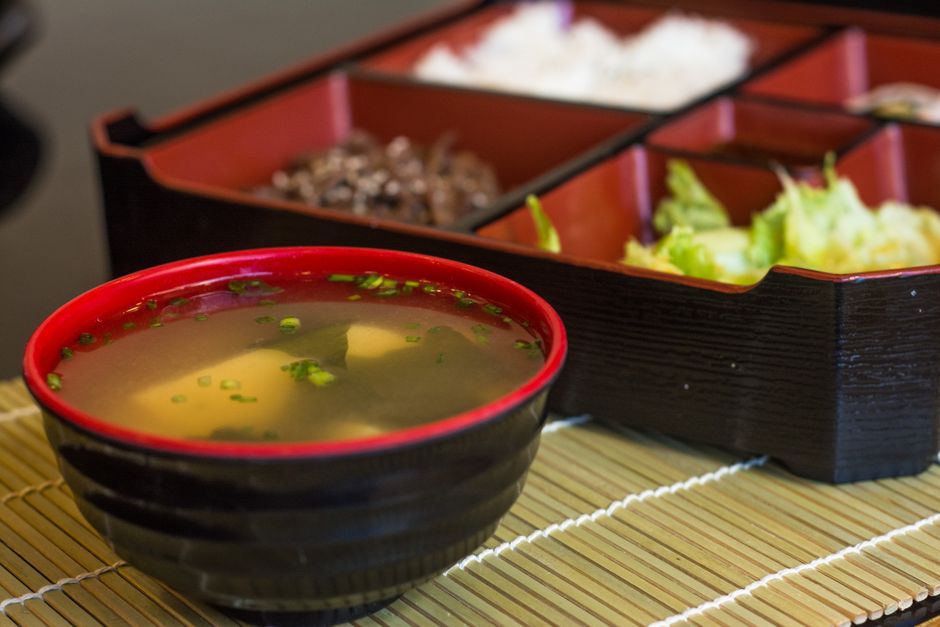
Miso soup is genuinely low in carbohydrates, making it a practical choice for most people following a keto diet. A typical bowl of miso soup contains roughly 4 to 7 grams of total carbohydrates, with about 3 to 5 grams of net carbs after accounting for fiber. The exact number depends on the brand, the portion size, and what else is in the soup, such as tofu, seaweed, or vegetables. For most keto eaters, miso soup fits comfortably within a daily carb limit of 20 to 50 grams.
What Are the Actual Carb Counts in Miso Soup?
The carb content of miso soup is not a fixed number. It changes based on how the soup is prepared. A standard restaurant serving, which is usually about one cup, typically lands between 4 and 7 grams of total carbohydrates. The primary source of these carbs is the miso paste itself, which is made from fermented soybeans and sometimes rice or barley.
Net carbs are what most keto dieters track. Net carbs are total carbohydrates minus fiber and sugar alcohols. Miso soup has a small amount of fiber, mostly from the soybeans and any vegetables included. That fiber reduces the total carb count slightly, bringing net carbs to roughly 3 to 5 grams per serving. This is a modest amount that fits into most keto meal plans.
Instant miso soup packets can be a different story. Some instant varieties contain added sugar, corn syrup solids, or maltodextrin to enhance flavor. These additives increase the carb count and can push a single serving above 10 grams of net carbs. Always check the nutrition label on instant packets, because the carb content varies widely between brands.
How Does Miso Soup Fit Into a Keto Diet?
Miso soup can be part of a keto diet without much difficulty. The carb count is low enough that most people can enjoy a bowl daily without approaching their carb limit. The soup also provides sodium, which can be helpful for keto dieters who lose electrolytes through increased water excretion in the early stages of the diet.
The bigger concern is what you eat with the soup. Miso soup alone is a light appetizer. If you pair it with a high-carb main dish like rice, noodles, or breaded foods, the meal will not be keto-friendly. The soup itself is not the problem. The meal context matters more.
Some miso soups include ingredients that raise the carb count. Corn, potatoes, and sweet vegetables like carrots add carbohydrates. Dashi broth, the traditional base for miso soup, is made from kelp and dried fish flakes and contains negligible carbs. Tofu adds protein and a small amount of carbs. Wakame seaweed adds a small amount of carbs and provides iodine and other minerals.
Is Miso Soup Good for Ketosis?
Miso soup does not interfere with ketosis when consumed in reasonable portions. Ketosis is a metabolic state where the body burns fat for fuel instead of glucose. It requires keeping carbohydrate intake low enough that the body shifts its primary fuel source. A single bowl of miso soup with 3 to 5 grams of net carbs will not disrupt this process.
Research on fermented soy products suggests they may have metabolic benefits, but these findings are not specific to ketosis. Some studies indicate that fermented foods like miso can support gut health by providing beneficial bacteria. A healthy gut microbiome may indirectly support metabolic health, but no direct evidence links miso soup to enhanced ketosis.
What matters most is your total daily carbohydrate intake. If you consume 20 grams of net carbs per day and have a bowl of miso soup with 4 grams, you have 16 grams remaining for other foods. The soup is a reasonable choice that leaves room in your macros.





What Are the Best Keto-Friendly Additions to Miso Soup?
You can make miso soup more filling without adding many carbs. Adding extra tofu increases protein and helps with satiety. Firm tofu contains about 2 grams of net carbs per half-cup, making it a keto-friendly addition.
Leafy greens like spinach or bok choy add volume, fiber, and vitamins while contributing minimal carbohydrates. A handful of spinach wilts quickly in hot broth and adds less than 1 gram of net carbs. Mushrooms add umami flavor and about 2 grams of net carbs per cup, depending on the variety.
Egg drop is another option. Whisking an egg into hot miso broth adds protein and healthy fats without adding carbohydrates. This turns a light appetizer into a more substantial meal that fits keto macros.
Some people add a small amount of sesame oil or chili oil to increase the fat content. Fats are the primary energy source on a keto diet, so adding healthy fats helps meet daily fat targets. These oils contain zero carbohydrates.
Are There Hidden Carbs in Miso Soup You Should Know About?
Hidden carbs can appear in miso soup from unexpected sources. Sugar is the most common culprit. Some restaurants and packaged products add sugar to balance the salty flavor of miso. This is more common in Westernized versions of the soup than in traditional Japanese preparations.
Mirin, a sweet rice wine, is sometimes added to miso soup. Mirin contains sugar and adds carbohydrates. If you are eating miso soup at a restaurant, you cannot always know whether mirin or sugar was used. When in doubt, ask about ingredients or stick to brands that publish their nutrition information.
Some miso pastes contain rice or barley as a fermentation base. These grains contribute carbohydrates. Miso made from 100 percent soybeans, sometimes labeled as hatcho miso, is lower in carbohydrates than varieties made with rice or barley. The difference is small, usually 1 to 2 grams per serving, but it can matter for people tracking every gram.
What About Miso Soup Nutrition Beyond Carbs?
Miso soup offers more than just a low carb count. A typical serving provides about 2 to 4 grams of protein, primarily from the soybeans and tofu. It is not a protein powerhouse, but it contributes to your daily intake.
Sodium is the most significant nutrient in miso soup. A single serving can contain 500 to 900 milligrams of sodium, depending on the recipe. For most healthy adults, this is within daily limits. People with high blood pressure or kidney conditions should be mindful of sodium intake from miso soup and other salty foods.
Miso is a fermented food, meaning it contains live microorganisms. These probiotics may support digestive health, though the heat used to prepare the soup can reduce the number of live bacteria. Some research suggests that regular consumption of fermented foods is associated with improved gut health, but the evidence is not definitive for miso specifically.
The soup also provides small amounts of several minerals, including manganese, copper, and zinc. These minerals come from the soybeans and seaweed. The amounts are not large enough to meet daily requirements, but they add to overall nutrient intake.
How to Choose the Best Miso Soup for Keto
Choosing the right miso soup starts with reading labels. Look for products with fewer than 5 grams of net carbs per serving. Check the ingredient list for added sugar, corn syrup, or maltodextrin. If you see these ingredients, the carb count is likely higher than the label suggests.
Traditional miso paste sold in refrigerated tubs is usually a better choice than instant packets. Refrigerated miso paste typically contains just soybeans, salt, and a fermentation culture. You can control the amount you use, which gives you control over the carb count. A tablespoon of miso paste contains about 3 to 4 grams of carbohydrates.
Making miso soup at home is the most reliable way to control carbs. You can use dashi broth, miso paste, tofu, and seaweed to create a soup that is consistently low in carbohydrates. You also avoid hidden sugars that may appear in restaurant versions.
Frequently Asked Questions
Is miso soup keto-friendly?
Yes, miso soup is keto-friendly for most people. A typical serving contains about 3 to 5 grams of net carbs, which fits within standard keto limits.
How many net carbs are in a bowl of miso soup?
A standard bowl of miso soup contains roughly 3 to 5 grams of net carbs. Instant packets may be higher if they contain added sugar or maltodextrin.
Can I drink miso soup every day on keto?
Yes, daily miso soup is generally fine on keto. Just watch your sodium intake and check labels on packaged versions for hidden carbs.
Does miso soup break ketosis?
No, a single bowl of miso soup will not break ketosis. The carb content is low enough that it does not interfere with fat burning.
