
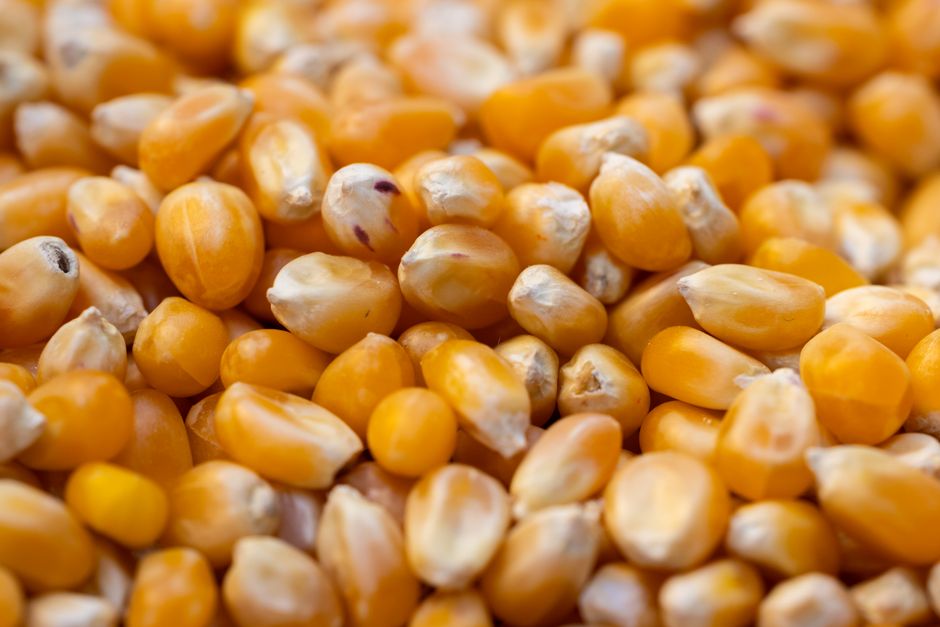
An average ear of corn has about 19 to 25 grams of carbohydrates, depending on its size. A medium ear (about 6.75 to 7.5 inches long) provides roughly 19 grams of net carbs after subtracting fiber. Corn is a starchy vegetable, so its carbohydrate content is significantly higher than non-starchy vegetables like broccoli or spinach.
How Many Carbs In An Ear Of Corn?
A standard medium ear of sweet corn contains approximately 19 grams of net carbohydrates. This number comes from the USDA food database, which lists a medium ear as weighing about 90 grams of edible kernels. Total carbohydrates are around 22 grams, with about 2.5 grams of that being dietary fiber.
Size matters when counting carbs. A small ear might deliver closer to 15 grams of net carbs. A large ear, which can reach 8 inches or longer, may contain 25 grams or more. If you are tracking carbs for diabetes management or a ketogenic diet, you should weigh the kernels after cooking rather than guessing by ear size.
Does Cooking Change The Carb Count?
No. Boiling, grilling, or roasting corn does not change its carbohydrate content. Heat does not create or destroy carbohydrates. What changes is water content, which can slightly alter the weight of the corn but not the actual grams of carbs you consume.
What you add to corn does change the total carb count. Butter and salt add minimal or no carbohydrates. But if you add sugar-based glazes, honey, or sweetened sauces, those carbohydrates count toward your total. A plain ear of corn is what the nutrition labels reflect. Once you add toppings, the math changes.
Sweet Corn vs. Field Corn vs. Popcorn
Sweet corn is what you eat fresh on the cob. It is harvested while immature, when sugars have not yet converted to starch. This is why it tastes sweet. The carbohydrate content of sweet corn ranges from about 16 to 19 grams per half-cup serving of kernels.
Field corn is dried and used for animal feed, cornmeal, and processed foods. It has a similar carbohydrate profile but is not eaten fresh. Popcorn is a whole grain made from a specific variety of corn. A 3-cup serving of air-popped popcorn contains about 18 grams of carbohydrates, with 3.5 grams of fiber.
Corn products like corn tortillas, corn chips, and corn syrup are entirely different carbohydrate sources. They are more processed and often contain added sugars or fats. An ear of corn is a whole food. Corn syrup is a concentrated sweetener with virtually no fiber. These are not nutritionally equivalent.





Is Corn A Good Carb Or A Bad Carb?
Corn is a complex carbohydrate. Complex carbs break down more slowly than simple sugars, which helps keep blood sugar steadier. However, corn still raises blood sugar more than most vegetables because of its starch content.
The glycemic index of corn is moderate, generally falling in the 52 to 60 range. For comparison, white rice is around 73 and broccoli is under 15. This means corn affects blood sugar noticeably but not as dramatically as refined grains or sugary foods.
Corn also provides nutrients that refined carbohydrates lack. A medium ear offers about 3 grams of protein, 2.5 grams of fiber, and meaningful amounts of B vitamins, magnesium, and potassium. It contains lutein and zeaxanthin, antioxidants linked to eye health. These nutrients do not erase the carb load, but they make corn a more nutritious choice than a slice of white bread with the same carb count.
How Corn Fits Into A Low-Carb Diet
Strict ketogenic diets typically limit total carbs to 20 to 50 grams per day. A single ear of corn would consume most or all of that allowance. For this reason, corn is generally not compatible with a strict keto approach.
More moderate low-carb diets, such as those allowing 50 to 100 grams of carbs daily, can include corn in small portions. Half an ear of corn contains roughly 9 to 12 grams of net carbs. This can fit into a meal plan if other carb sources are minimized.
If you are counting carbs, portion control is the practical answer. A half-cup of corn kernels is a reasonable single serving. That serving contains about 16 grams of total carbohydrates and roughly 14 grams of net carbs. Eating the whole ear is not wrong, but it is a larger carb portion than many people realize.
Comparing Corn To Other Vegetables
Corn is often grouped with vegetables, but its carbohydrate content is closer to grains than to leafy greens. This distinction matters for people who manage blood sugar or follow carb-restricted diets.
| Vegetable (1 cup cooked) | Total Carbs | Fiber | Net Carbs |
|---|---|---|---|
| Corn kernels | 31 g | 3.6 g | 27.4 g |
| Broccoli | 11 g | 5.1 g | 5.9 g |
| Green beans | 10 g | 4 g | 6 g |
| Cauliflower | 5 g | 2.5 g | 2.5 g |
| Peas | 21 g | 7 g | 14 g |
These values come from USDA standard reference data. The pattern is clear: corn and peas are starchier than the cruciferous vegetables and green beans. If you are choosing vegetables to keep carbs low, corn is not the most efficient option. If you are choosing for taste and nutrient density, corn is a legitimate whole food.
Does Corn Have Any Unique Health Benefits?
Corn is one of the few vegetables that provides resistant starch, but only when it is raw or cooled after cooking. Resistant starch resists digestion in the small intestine and acts somewhat like fiber in the colon. Chilled corn salad made from cooked kernels may have more resistant starch than freshly cooked hot corn. The difference is modest and not a reason to eat cold corn exclusively.
Corn is also a source of ferulic acid, a phenolic compound with antioxidant properties. Research has examined ferulic acid for its potential anti-inflammatory effects, but most studies are laboratory-based or animal-based. Human evidence for specific health benefits remains limited.
One clear benefit is that corn is a whole food with no added sugar or sodium when eaten plain. Compared to processed snacks made from corn, the whole kernel is nutritionally superior. That is not a strong claim. It is simply a fact about how processing changes food.
Who Should Be Careful With Corn?
People with diabetes need to account for corn in their carbohydrate budget. A medium ear contains roughly the same carbohydrate load as a slice of bread plus a serving of fruit. Blood sugar response varies by individual, so testing after eating corn is the most reliable way to know how it affects you.
People with irritable bowel syndrome or fructose malabsorption may react to corn differently. Corn contains both starch and some sugars that can ferment in the gut. Some people experience bloating or gas after eating corn. The corn kernel’s outer shell is also difficult to digest, which is why whole kernels sometimes appear in stool. This is normal and not a sign of a health problem.
People following a very low-carb diet for medical reasons, such as epilepsy management, should avoid corn entirely. The carbohydrate content is simply too high for that dietary framework.
Frequently Asked Questions
How many carbs are in one ear of corn?
A medium ear of sweet corn has about 19 grams of net carbohydrates. Total carbohydrates are roughly 22 grams, with about 2.5 grams of fiber.
Is corn too high in carbs for a diabetic?
Corn can fit into a diabetic meal plan if portions are controlled. A half-cup serving of kernels contains about 14 grams of net carbs, which is manageable for many people but should be counted carefully.
Does corn have more carbs than rice?
No. Cooked white rice has about 45 grams of carbohydrates per cup, while a medium ear of corn has about 22 grams total. Corn is lower in carbs than rice but much higher than non-starchy vegetables.
Can you eat corn on a keto diet?
Most people cannot fit corn into a strict ketogenic diet because a single ear provides nearly the entire daily carb allowance. A small portion of about two tablespoons might fit for some people, but it is rarely practical.
