
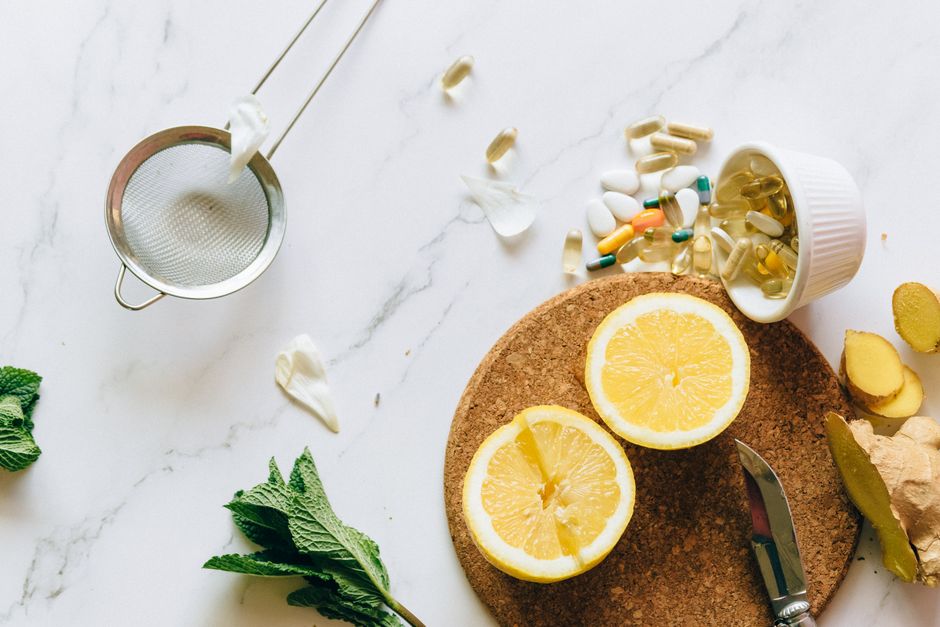
Ginger is a root that people have used for centuries in cooking and traditional medicine. When you ask what vitamins are in ginger, the honest answer is that it contains small amounts of several vitamins, but it is not a vitamin-rich food. A typical serving of fresh ginger provides trace amounts of vitamin C, B vitamins, and other nutrients, but you would need to eat a large amount to make a real difference in your daily vitamin intake. The real value of ginger comes from its bioactive compounds, not its vitamin content.
What Vitamins Are Actually In Ginger?
Fresh ginger root contains measurable but modest amounts of several vitamins. The most notable is vitamin C, though the amount is small. A 100-gram portion of raw ginger — about a third of a cup when chopped — provides roughly 5 milligrams of vitamin C. That is about 5 to 6 percent of the daily value for most adults.
Ginger also contains small amounts of B vitamins, including folate, niacin, and vitamin B6. The levels are low. For example, the same 100-gram serving provides only about 2 to 3 percent of the daily value for niacin and vitamin B6. Folate content is similarly minimal.
One nutrient worth noting is choline. Ginger contains a modest amount of choline, which supports liver function and nerve signaling. Even here, the quantity is not enough to rely on ginger as a meaningful source.
Here is the practical takeaway: ginger is not a vitamin supplement. It is a flavoring and a therapeutic root. If you are looking to meet your daily vitamin needs, vegetables, fruits, and fortified foods do that job far better.
Why Do People Think Ginger Is Packed With Vitamins?
The confusion comes from marketing and from the way ginger is often grouped with other “superfoods.” Many wellness brands describe ginger as nutrient-dense, which creates the impression that it is loaded with vitamins. The science does not support that framing.
Nutrient density means a food provides a high amount of nutrients relative to its calories. By that definition, ginger does contain some vitamins per calorie, but the absolute amounts are still small. A more accurate description is that ginger is a low-calorie flavoring agent with some beneficial plant compounds.
Part of the reputation also comes from dried ginger products. When ginger is dried, the nutrients become more concentrated by weight because water is removed. But the serving sizes are usually tiny — a teaspoon or less — so the actual vitamin intake remains negligible.
What Does Ginger Actually Do In The Body?
Ginger’s health effects come from gingerol, the compound responsible for its spicy taste. Gingerol is a bioactive substance with anti-inflammatory and antioxidant properties. These effects have been studied in real clinical trials, which is unusual for a common kitchen ingredient.
The strongest evidence supports ginger for nausea relief. Research consistently shows that ginger can reduce pregnancy-related nausea and nausea from chemotherapy and surgery. The effect is modest but real. For motion sickness, the evidence is weaker and results vary.
Some studies suggest ginger may help with menstrual pain. A few trials have found that ginger powder reduced pain scores in women with primary dysmenorrhea, though the quality of these studies varies. The mechanism is thought to involve reduced prostaglandin production, which drives uterine cramping.
There is also evidence that ginger can slightly reduce muscle soreness after exercise. The effect appears within a day or two of intense activity, but the benefit is small and not consistent across all studies.
What ginger does not do is cure infections, boost immunity dramatically, or act as a vitamin substitute. Those claims go beyond what the research shows.





Does The Vitamin Content Change When Ginger Is Cooked Or Dried?
Cooking affects ginger’s nutrients, just as it affects any plant food. Heat degrades vitamin C more than other vitamins. Boiling ginger for an extended period will reduce its vitamin C content significantly. Steaming or adding ginger near the end of cooking preserves more of the vitamin.
Drying ginger concentrates the root by removing water. The vitamins become more concentrated by weight, but the serving size shrinks. You would need to consume a large amount of dried ginger powder to get meaningful vitamins, and that is not realistic or pleasant.
Ginger tea is a special case. When you steep fresh ginger in hot water, some water-soluble vitamins and compounds leach into the liquid. The amount is small. A cup of ginger tea provides negligible vitamins but may still deliver some of the anti-nausea benefits, since gingerol and related compounds are water-soluble.
Pickled ginger, commonly served with sushi, contains even less of the original nutrients. The pickling process and the vinegar solution dilute the vitamin content further. It still tastes good, but it is not a nutrient source.
How Much Ginger Is Safe To Eat?
Ginger is safe for most people in culinary amounts — the quantities used in cooking and tea. Clinical studies have used ginger powder in doses up to 1 gram per day for several weeks without serious side effects. Some studies have used higher doses, but those are not typical for everyday use.
Mild side effects can include heartburn, stomach upset, and diarrhea, especially at higher doses. People taking blood thinners should talk to their doctor before using concentrated ginger supplements, since ginger may affect blood clotting. This is a theoretical concern based on ginger’s mild antiplatelet activity, but the evidence for a significant interaction is limited.
Pregnant women can use ginger in food amounts safely. For nausea treatment, some clinicians recommend ginger during pregnancy, but you should discuss this with your obstetrician before using it regularly. No clinical guidelines currently exist for a specific safe upper dose during pregnancy.
Ginger supplements are not regulated like medications. The amount of active compound in a supplement can vary widely by brand. If you choose a supplement, look for one that lists the gingerol content and comes from a reputable manufacturer.
What Foods Are Better Sources Of These Vitamins?
If your goal is vitamin intake, other foods do the job far more efficiently. Here is where the vitamins found in ginger come from in larger amounts:
- Vitamin C — citrus fruits, bell peppers, broccoli, strawberries
- Vitamin B6 — poultry, fish, potatoes, chickpeas
- Folate — leafy greens, beans, asparagus, fortified grains
- Niacin — meat, poultry, fish, whole grains
- Choline — eggs, beef liver, soybeans, chicken
This is not to say ginger is worthless. It is not. But its value is as a therapeutic root with anti-inflammatory compounds, not as a vitamin source. Thinking of ginger as a spice with health benefits is more accurate than thinking of it as a nutritional powerhouse.
Should You Take Ginger Supplements For The Vitamins?
No. If you are considering ginger supplements, the reason should be for the gingerol compounds, not the vitamins. The vitamin content in any ginger supplement is trivial compared to a standard multivitamin or a healthy diet.
Ginger supplements are studied for nausea, inflammation, and pain. The evidence for these uses is modest but real. The evidence for using ginger supplements to meet vitamin needs does not exist, because the vitamin content is too low to matter.
A multivitamin or a varied diet will cover your vitamin needs far more effectively and at lower cost. Ginger supplements cost more per milligram of vitamin than almost any other source.
If you enjoy ginger, keep eating it. Add it to stir-fries, steep it as tea, or grate it into soups. Just do not expect it to replace your vegetables.
Frequently Asked Questions
Does ginger contain vitamin C?
Yes, fresh ginger contains a small amount of vitamin C — about 5 milligrams per 100 grams. That is roughly 5 percent of the daily value, so it is not a meaningful source.
What is the main active compound in ginger?
Gingerol is the primary bioactive compound responsible for ginger’s anti-inflammatory and anti-nausea effects. It is also what gives ginger its spicy flavor.
Is dried ginger more nutritious than fresh ginger?
Dried ginger has more concentrated nutrients by weight because water is removed, but serving sizes are tiny. In practice, neither fresh nor dried ginger provides significant vitamins.
Can ginger replace a multivitamin?
No. Ginger contains trace amounts of several vitamins but not enough to meet daily requirements. A multivitamin or a varied diet is necessary for adequate vitamin intake.
