
Miso is not always gluten free. Traditional miso made from soybeans and rice or barley often contains barley (mugi miso), which has gluten. However, many brands now make gluten free miso using only soybeans and rice or other gluten free grains. You need to read the label carefully to know for sure.
What Exactly Is Miso Made From?
Miso is a fermented paste from Japan. The base ingredient is usually soybeans. But miso rarely contains just soybeans. It almost always includes a grain. That grain is where the gluten question comes from.
The most common grains in miso are rice (kome miso) and barley (mugi miso). Rice is naturally gluten free. Barley contains gluten. There is also soybean miso (mame miso) made from only soybeans and salt, which is gluten free. Mixed miso (awase miso) blends two or more types.
The fermentation process itself does not break down gluten into safe fragments for people with celiac disease. A 2015 study in the Journal of Agricultural and Food Chemistry tested fermented barley products and found that gluten proteins remained intact enough to trigger immune reactions. So fermentation is not a shortcut to gluten free status.
How to Tell If a Specific Miso Is Gluten Free
You cannot tell by looking at miso. The paste looks similar whether it contains barley or rice. Color is not a reliable indicator either. White miso (shiro miso) is usually rice based, but some white miso blends include barley. Red miso (aka miso) is often barley based, but not always.
The only reliable method is reading the ingredient list. Look for the word “barley” or “mugi.” In Japanese labeling, “mugi” means barley. If you see “mugi miso” on the package, it contains gluten. If the label says “kome miso,” it is rice based and likely gluten free — but check for cross-contamination warnings.
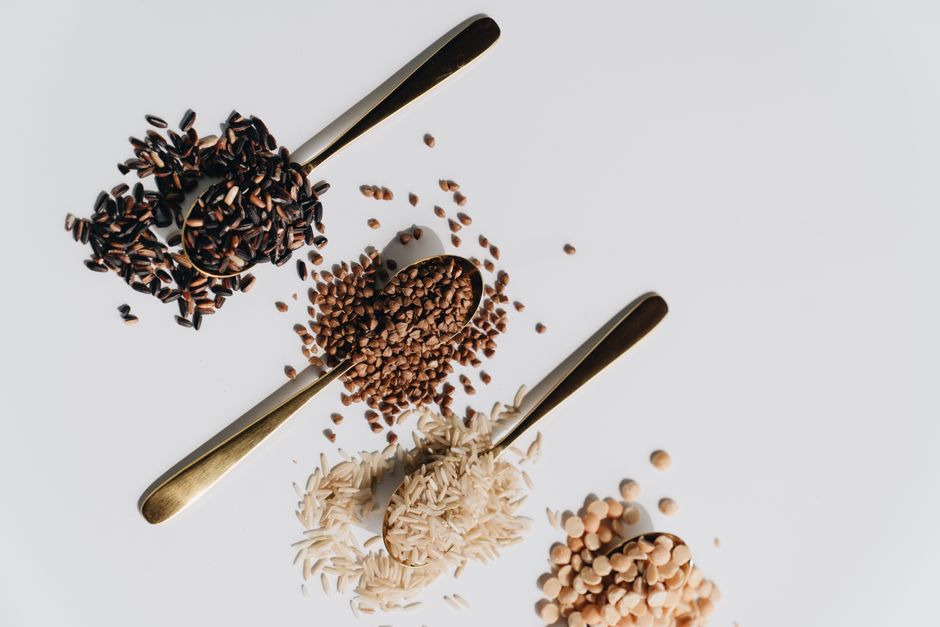
Some brands use other grains too. You might see millet, buckwheat, or amaranth. Buckwheat is gluten free despite its name. Millet and amaranth are also gluten free. These are safe options if you need to avoid gluten.
Here is a quick reference table:
| Miso Type | Base Grain | Gluten Free? |
|---|---|---|
| Kome miso (rice miso) | Rice | Usually yes — check label |
| Mugi miso (barley miso) | Barley | No — contains gluten |
| Mame miso (soybean miso) | No grain | Yes |
| Awase miso (mixed miso) | Often barley + rice | Depends on blend |
| Hatcho miso | Soybeans only | Yes |
Is Miso Gluten Free in Restaurants?
Restaurant miso soup is a different story. Most restaurants in the United States use instant miso paste or pre-made soup base. These almost always contain barley. A 2018 survey by the Gluten Intolerance Group found that over 80% of miso soup samples from Japanese restaurants tested positive for gluten.
Even if the miso paste itself is gluten free, the soup may contain other gluten sources. Many restaurants add dashi stock made with bonito flakes, which is fine. But some use soy sauce or tamari that may contain wheat. Noodle toppings like udon or ramen are obviously not gluten free. Even small additions like fried tofu puffs can be dusted with wheat flour.
When eating out, ask directly: “Is your miso soup made with barley miso or rice miso?” If the server does not know, ask to speak with the chef. Many Japanese restaurants now offer gluten free options, but you cannot assume.
Some national chains have started labeling gluten free items. For example, P.F. Chang’s lists a gluten free miso soup on their menu. But smaller independent restaurants vary widely. Your safest bet is to call ahead.





What Does Research on Gluten in Miso Show?
Research on miso and gluten is limited but clear. A 2020 study in Nutrients tested 15 commercially available miso products in the United States. Five of them contained barley and tested positive for gluten at levels above 20 parts per million (ppm). That is the FDA threshold for labeling a food gluten free. The other ten products tested below 20 ppm and were safe for most people with celiac disease.
Another concern is cross-contamination. Even if a miso product lists only rice and soybeans, it might be processed in a facility that also handles barley. A 2019 report from the Canadian Celiac Association tested 12 “gluten free” labeled miso products. Two of them had detectable gluten between 5 and 15 ppm. None exceeded 20 ppm, but the finding shows that contamination happens.
The FDA requires foods labeled “gluten free” to contain less than 20 ppm of gluten. Products without that label are not tested. If you have celiac disease, only buy miso with a certified gluten free label. If you have non-celiac gluten sensitivity, you might tolerate products with trace amounts, but individual tolerance varies widely.
Which Brands of Miso Are Gluten Free?
Several major brands offer certified gluten free miso. Miso Master makes a certified gluten free organic white miso. South River Miso Company produces a gluten free chickpea miso and a sweet brown rice miso. Eden Foods sells a gluten free mugi miso — that one is confusing because the name says mugi, but the label says it is made with rice. Always check the label, not the name.
Here are common brands and their gluten status:
- Miso Master — Certified gluten free white miso. Safe.
- South River Miso — Several gluten free options. Check each variety.
- Eden Foods — Mugi miso is made with barley, not safe. Their rice miso is gluten free.
- Hikari — Organic white miso is gluten free. Red miso contains barley.
- Marukome — Most products contain barley. Only their “Gluten Free Miso” variety is safe.
- Whole Foods 365 — White miso is labeled gluten free. Red miso contains barley.
If you buy from a bulk bin, ask the store for the manufacturer’s allergen statement. Bulk bins carry higher cross-contamination risk because scoops are shared.
Common Misconceptions About Miso and Gluten
One widespread myth is that all white miso is gluten free. White miso is usually made with rice, but some producers add barley for flavor. You cannot rely on color alone. Another myth is that fermentation destroys gluten. As mentioned, the 2015 study in the Journal of Agricultural and Food Chemistry showed that fermentation does not eliminate gluten proteins to safe levels.
Some people believe that “miso” automatically means soy and rice. That is not true. In Japan, mugi miso (barley miso) is the most popular type. It accounts for about 40% of miso consumed in Japan according to the Japan Miso Promotion Board. If you eat miso in the United States, it is likely mugi miso unless the label says otherwise.
Another misconception is that gluten free miso tastes different. In blind taste tests, most people cannot tell the difference between rice miso and barley miso in soup. The barley adds a slightly nuttier flavor, but the difference is subtle. You will not lose anything by choosing a gluten free version.
Frequently Asked Questions
Is all miso gluten free?
No. Miso made with barley contains gluten. Only miso made with rice, soybeans only, or other gluten free grains is safe.
Can I eat miso soup if I have celiac disease?
Only if the miso paste is certified gluten free and the soup contains no other gluten sources like soy sauce or wheat noodles.
Does fermentation remove gluten from miso?
No. Research shows fermentation does not break down gluten enough to make it safe for people with celiac disease.
What is the difference between mugi miso and kome miso?
Mugi miso is made with barley and contains gluten. Kome miso is made with rice and is gluten free.
