
Gelato is not dairy free. Traditional gelato is made with milk, cream, and often eggs. If you have a dairy allergy or lactose intolerance, standard gelato will cause problems. However, there are dairy-free versions available, and knowing how to spot them makes all the difference.
What Is Traditional Gelato Made Of?
Traditional gelato starts with a base of whole milk and cream. This is different from ice cream, which uses more cream and often has a higher fat content. Gelato typically has less butterfat, usually between 4% and 9%, while ice cream sits at 10% or higher.
Egg yolks are common in many gelato recipes. They add richness and help with texture. Some gelato makers skip the eggs entirely, but the dairy remains. The result is a dense, creamy frozen dessert that is churned slowly to keep air out.
The bottom line is clear. Milk and cream are the foundation. Unless the label says otherwise, assume any gelato you pick up contains dairy.
Is Gelato Dairy Free in Any Form?
Yes, but only if it is specifically made that way. Many brands and shops now offer dairy-free gelato. These versions replace milk and cream with plant-based alternatives like almond milk, oat milk, coconut milk, or soy milk.
The texture of dairy-free gelato is different. Without the milk proteins and fat, it can be icier or less creamy. Manufacturers often add stabilizers like guar gum or tapioca starch to improve the mouthfeel. Some versions taste remarkably close to the real thing, but they are not identical.
If you see a container labeled “dairy-free gelato,” check the ingredients. Look for phrases like “made with coconut cream” or “oat milk base.” Do not assume “sorbetto” or “sorbet” is the same thing. Sorbet is dairy free but it is not gelato. It contains no milk at all and has a completely different texture.
How Can You Tell If Gelato Has Dairy?
Reading labels is the only reliable method. Gelato sold in grocery stores must list milk, cream, or other dairy ingredients on the ingredient panel. Look for words like milk, cream, butterfat, casein, whey, or lactose.
At a gelato shop, things get trickier. Shops do not always post ingredient lists. You can ask the staff, but they may not know every ingredient. A better approach is to ask about the base. “Is this made with milk or a plant milk?” is a clear question that gets a direct answer.
Here are common signs that gelato contains dairy:
- It looks pale and creamy, not bright and translucent.
- It has a rich, smooth texture that melts evenly on your tongue.
- Flavors like vanilla, chocolate, and pistachio are almost always made with a milk base.
- Fruit flavors like lemon or strawberry may be dairy free, but they are not guaranteed.
When in doubt, do not guess. Dairy allergies can cause serious reactions. It is better to skip a flavor than to risk it.





What About Lactose Intolerance and Gelato?
Lactose intolerance is not the same as a dairy allergy. People with lactose intolerance lack enough lactase enzyme to break down lactose, the sugar in milk. They can often handle small amounts of dairy without symptoms.
Gelato may be easier on the stomach than ice cream for some people. Because gelato has less butterfat, it sometimes contains slightly less lactose per serving. But that is not a guarantee. A single scoop of milk-based gelato still contains enough lactose to cause bloating, gas, or cramping in sensitive individuals.
If you are lactose intolerant, your best options are dairy-free gelato or lactase enzyme pills. Some people report that aged gelato or gelato made with cultured milk causes fewer problems, but strong evidence for this is limited. The safest bet is to choose a product labeled lactose-free or dairy-free.
Research published in the National Institutes of Health database confirms that lactose intolerance affects about 36% of the US population. That number is higher among people of Asian, African, and Native American descent. If you fall into these groups, your chances of reacting to dairy gelato are higher.
Are There Dairy-Free Gelato Brands Worth Trying?
Several brands have stepped up to make dairy-free gelato that actually tastes good. Talenti makes a line of dairy-free sorbettos that are labeled clearly. Cado uses an avocado base to create a creamy texture without dairy. So Delicious offers coconut milk-based frozen desserts that are often labeled as gelato-style.
Local gelato shops are also catching on. In many cities, you can find artisan gelato makers who offer oat milk or almond milk options. These tend to be more expensive, but the quality is often higher than mass-produced versions.
The table below compares common dairy-free gelato bases:
| Base | Texture | Flavor Impact | Common Brands |
|---|---|---|---|
| Coconut milk | Creamy, slightly thick | Mild coconut taste | So Delicious, Talenti |
| Oat milk | Smooth, neutral | Very mild oat flavor | Local artisan shops |
| Almond milk | Lighter, slightly icy | Nutty undertone | Various small brands |
| Avocado | Very creamy, rich | Neutral, buttery | Cado |
Each base has trade-offs. Coconut milk gives the creamiest texture but adds a coconut flavor that does not work with every fruit. Oat milk is the most neutral but can feel thinner. Avocado is surprisingly rich but harder to find.
What About Gelato That Claims to Be “Lactose Free”?
Lactose-free gelato is not the same as dairy-free gelato. Lactose-free products still contain milk. The lactose has been broken down into simpler sugars using the lactase enzyme. This makes it safe for people with lactose intolerance but not for anyone with a dairy allergy.
If you have a milk allergy, your immune system reacts to the proteins in milk, not the sugar. Lactose-free gelato still contains those proteins. It can still trigger an allergic reaction. The American College of Allergy, Asthma, and Immunology states that milk is one of the most common food allergens, affecting about 2-3% of children and 1% of adults.
Always read the allergen statement. If it says “contains milk” or “may contain milk,” do not eat it if you are allergic. Lactose-free is not a safe substitute for dairy-free.
Common Misconceptions About Gelato and Dairy
One common myth is that gelato is dairy free because it is made differently from ice cream. That is false. Gelato and ice cream both start with dairy. The difference is in the ratio of milk to cream and the churning process, not the presence or absence of milk.
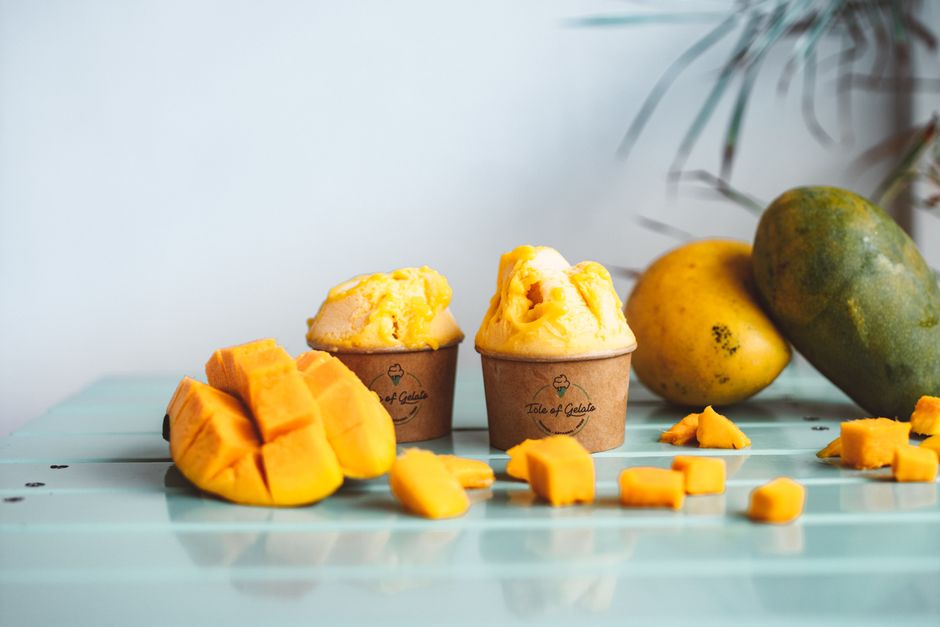
Another myth is that fruit-flavored gelato is always dairy free. Many fruit gelatos still use a milk base. The fruit puree is added to the milk mixture, not used as a replacement. Lemon, raspberry, and mango gelato can all contain dairy unless the label says otherwise.
A third misconception is that gelato is healthier than ice cream and therefore must be lighter. Gelato does have less fat, but it often has more sugar. The sugar content is used to keep the texture soft and scoopable. Lower fat does not mean dairy free.
Frequently Asked Questions
Can I eat gelato if I am lactose intolerant?
Some people with mild lactose intolerance can handle small amounts of gelato, but it is not guaranteed. Dairy-free or lactose-free options are safer choices.
Does all gelato contain milk?
Most traditional gelato contains milk or cream, but dairy-free versions made with plant milks exist. Always check the label or ask the shop.
Is sorbet the same as dairy-free gelato?
No. Sorbet is dairy free but it is not gelato. Sorbet contains no milk and has a different, icier texture.
What is the best dairy-free alternative for gelato?
Coconut milk and oat milk bases tend to be the creamiest and most popular. Avocado-based gelato is also very rich but harder to find.
