
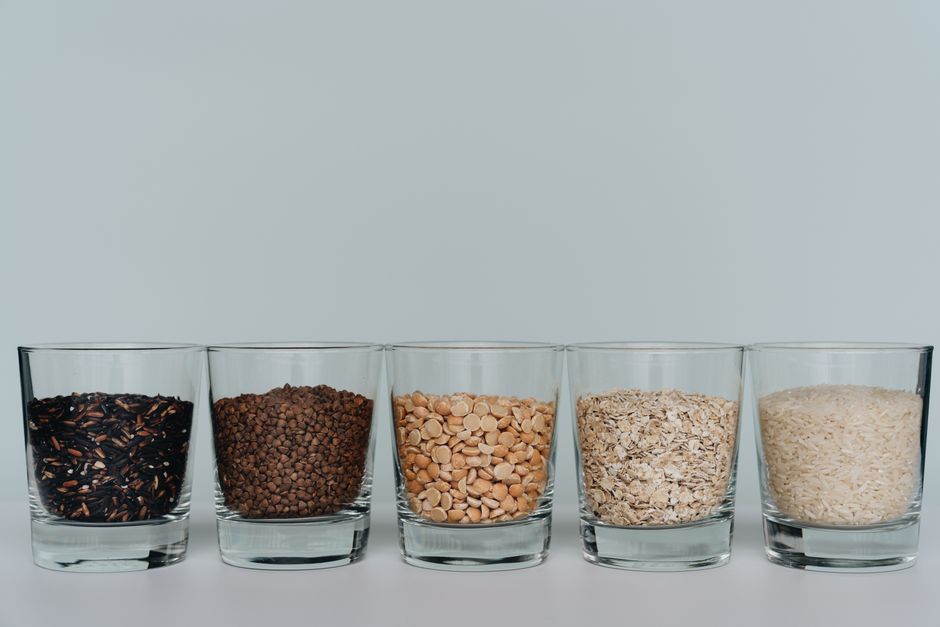
Grits are naturally gluten-free because they are made from corn, not wheat, barley, or rye. Traditional grits come from dried ground corn, which does not contain gluten proteins. However, some grits products may contain gluten from cross-contamination during processing or from added ingredients. This article explains when grits are safe for a gluten-free diet and when they are not.
What Are Grits Made From?
Grits are a staple food in the Southern United States. They are made by grinding dried corn kernels into a coarse meal. The corn is typically a variety called dent corn, which has a soft starchy center.
There are several types of grits. Stone-ground grits are made by grinding whole corn kernels, including the germ and bran. Hominy grits are made from corn that has been treated with an alkali solution, a process called nixtamalization. Instant or quick grits are pre-cooked and dehydrated for faster preparation.
All these varieties start with corn. Corn does not contain gluten. Gluten is a group of proteins found in wheat, barley, rye, and their hybrids. Since corn is not a gluten-containing grain, grits in their pure form are gluten-free.
Do Traditional Grits Contain Gluten?
Traditional stone-ground grits and hominy grits contain only corn. No gluten-containing ingredients are used in their production. So plain, unflavored grits made from 100% corn are gluten-free.
But there is an important catch. Stone-ground grits are often processed in facilities that also handle wheat, barley, or rye. This creates a risk of cross-contamination. Even a small amount of gluten can cause a reaction in someone with celiac disease or severe gluten sensitivity.
Research has found measurable gluten levels in some corn products processed in shared facilities. One study published in the journal Food Chemistry detected gluten in several corn-based foods that were not labeled gluten-free. The contamination levels varied widely.
If you have celiac disease, you should choose grits that are certified gluten-free by a third-party organization. Certification requires testing that confirms gluten levels below 20 parts per million (ppm), which is the standard set by the U.S. Food and Drug Administration (FDA) for gluten-free labeling.
What About Instant or Flavored Grits?
Instant grits and flavored grits carry a higher risk of containing gluten. These products often include additives, seasonings, and thickeners that may contain gluten.
Flavored grits such as cheese, butter, bacon, or sausage varieties frequently contain added ingredients. Some cheese powders use wheat starch as a anti-caking agent. Some seasoning blends contain malt vinegar or soy sauce, both of which can contain gluten. Some thickeners used in instant grits are made from wheat flour.
The ingredient list is the only reliable way to check. Look for any form of wheat, barley, rye, malt, or brewer’s yeast. Phrases like “natural flavors” or “modified food starch” can be vague. Modified food starch is often made from corn, but it can be made from wheat. In the United States, if modified food starch is made from wheat, it must be declared on the ingredient label as an allergen.
Instant grits may also be processed on shared equipment. Some manufacturers produce both regular grits and instant oatmeal or cream of wheat on the same lines. This increases the likelihood of cross-contact.





How Is Gluten in Grits Tested?
Manufacturers who want to label their grits as gluten-free must test their products using validated methods. The most common test is the ELISA (enzyme-linked immunosorbent assay) test. This test detects gluten proteins at levels as low as 5 to 10 ppm.
The FDA requires that any food labeled gluten-free contains less than 20 ppm of gluten. This threshold is based on scientific evidence. Most people with celiac disease can tolerate trace amounts below this level without intestinal damage, although individual sensitivity varies.
Third-party certification programs such as the Gluten-Free Certification Organization (GFCO) have stricter standards. GFCO requires products to contain less than 10 ppm of gluten. If a bag of grits carries the GFCO seal, it has been tested and meets this lower threshold.
Without certification or a gluten-free label, there is no guarantee that a grits product is free from gluten contamination. This is true even if the ingredient list shows only corn.
What Does Research Say About Cross-Contamination?
Several studies have examined gluten contamination in naturally gluten-free grains. The findings are relevant for grits consumers. A review published in the journal Nutrients found that oats, corn, rice, and other naturally gluten-free grains are frequently contaminated with gluten during harvesting, transport, and processing.
The review reported contamination rates ranging from 4% to 40% of samples tested, depending on the grain and the region. Corn products were among the less frequently contaminated grains, but contamination was still documented.
Another study in Food Additives & Contaminants tested 22 samples of corn flour and cornmeal purchased in the United States. Three samples contained detectable gluten. The levels ranged from 5 to 20 ppm.
These findings confirm that cross-contamination is a real concern. It is not hypothetical. For someone with celiac disease, eating contaminated grits can trigger an immune response that damages the small intestine.
Which Grits Brands Are Considered Gluten-Free?
Several brands produce grits that are labeled gluten-free and are tested for contamination. These brands typically use dedicated processing facilities or thoroughly clean equipment between runs.
Some widely available brands that offer gluten-free labeled grits include Bob’s Red Mill, Arrowhead Mills, and Palmetto Farms. Each of these brands states on the package that the product is gluten-free. Some carry third-party certification.
Regional brands may also offer gluten-free options. The safest choice is to buy grits that carry a gluten-free label from a brand that tests its products. If the label does not say gluten-free, assume the product may contain trace gluten.
Even when buying from a trusted brand, check the package each time. Manufacturing can change. A product that was gluten-free last year may not be gluten-free this year if the supplier or processing facility changed.
What Are the Best Gluten-Free Alternatives to Grits?
If you cannot find certified gluten-free grits or simply want variety, several alternatives provide a similar texture and taste.
- Polenta — This is also made from ground corn. It is a finer grind than grits and cooks to a creamy consistency. Most plain polenta is gluten-free, but check the label for cross-contamination risks.
- Cornmeal mush — A simple porridge made from cornmeal and water or milk. It is essentially the same as grits but uses a finer grind.
- Rice grits — Made from broken rice kernels. These have a similar texture to corn grits. They are naturally gluten-free, but again, check for contamination.
- Millet porridge — Millet is a small seed that cooks into a soft, creamy porridge. It is naturally gluten-free and provides a different but pleasant flavor.
- Buckwheat grits — Despite its name, buckwheat is not wheat. It is a gluten-free pseudocereal. Buckwheat groats can be ground into a coarse meal and cooked like grits. Their flavor is stronger and more earthy than corn grits.
Each of these alternatives requires the same caution as corn grits. None is automatically gluten-free. You must look for a gluten-free label or certification to be sure.
Frequently Asked Questions
Are all grits gluten-free?
No. Plain grits made from 100% corn are naturally gluten-free, but flavored or instant varieties often contain gluten-containing additives. Cross-contamination during processing can also introduce gluten.
Can people with celiac disease eat grits?
Yes, but only if the grits are certified gluten-free or carry a reliable gluten-free label. Unlabeled grits may contain trace gluten from shared processing facilities.
Do instant grits have gluten?
Many instant grits contain added ingredients such as thickeners or seasonings that may include gluten. You must read the ingredient label carefully or choose a brand that explicitly states gluten-free.
What should I look for on a grits label?
Look for a gluten-free certification seal or a clear statement that the product is gluten-free. Also check the ingredient list for wheat, barley, rye, malt, or modified food starch from wheat.
