
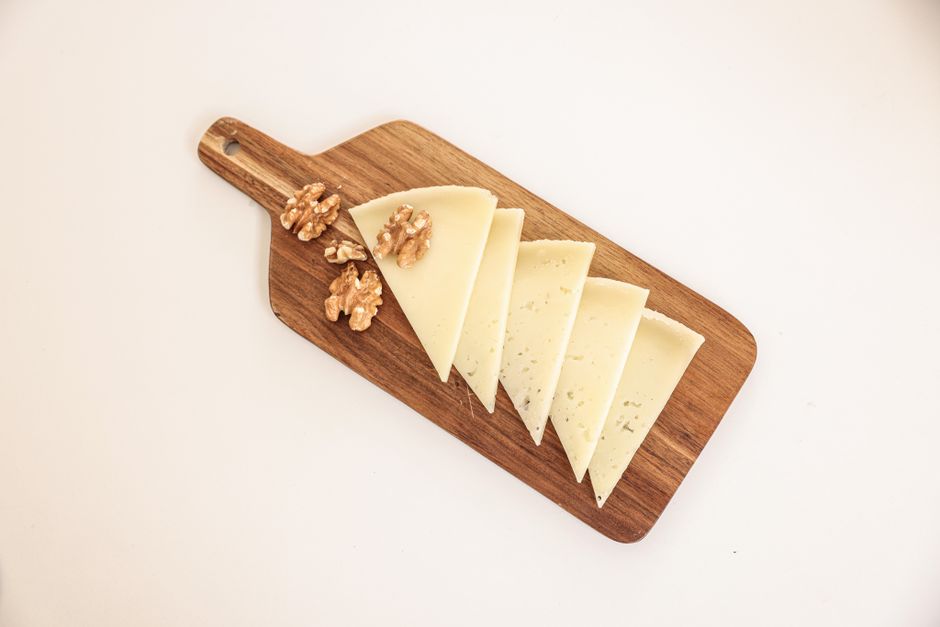
If you are lactose intolerant but love cheese, you have probably wondered which ones are safe. The short answer is this: most aged hard cheeses are naturally very low in lactose. Cheeses like cheddar, Parmesan, Swiss, and Gouda typically contain less than 1 gram of lactose per serving. Many people with lactose intolerance can eat these without any trouble. Soft, fresh cheeses like mozzarella, ricotta, and cream cheese are higher in lactose and more likely to cause symptoms. This guide breaks down the facts so you can choose cheese with confidence.
What Makes a Cheese Naturally Low in Lactose?
Lactose is a sugar found in milk. During cheese making, bacteria convert lactose into lactic acid. This process naturally lowers the lactose content. The longer a cheese ages, the more lactose gets broken down.
Hard cheeses age for months or even years. By the time they reach your plate, almost all the lactose is gone. A study published in the Journal of Dairy Science found that aged Cheddar and Parmesan contain less than 0.1 grams of lactose per 100 grams. For comparison, a glass of milk has about 12 grams of lactose.
Soft cheeses are not aged long. They retain more lactose. The same study found that fresh mozzarella has roughly 0.5 to 1.5 grams per serving. That is still low compared to milk but can be a problem for some people.
What Cheeses Are Lactose Free?
No cheese is completely lactose free. Even aged hard cheeses contain trace amounts. But for practical purposes, many cheeses are low enough that people with lactose intolerance tolerate them well.
Here are cheeses with the lowest lactose content:
- Parmesan — aged 12 to 36 months. Lactose content is near zero.
- Aged Cheddar — aged 6 months or longer. Most lactose is gone.
- Swiss cheese — Emmental and Gruyère are very low in lactose.
- Gouda — aged Gouda (6 months or more) is safe.
- Manchego — a sheep milk cheese aged several months.
- Blue cheese — Roquefort, Gorgonzola, and Stilton are low in lactose.
- Brie and Camembert — soft but aged enough that lactose is low. Many people tolerate them.
These cheeses typically have less than 1 gram of lactose per ounce. Most people with lactose intolerance can eat up to 12 grams of lactose per day spread out. So a serving of these cheeses is usually fine.
Which Cheeses Have More Lactose?
Soft, unaged, or fresh cheeses contain more lactose. The table below shows the relative lactose content of common cheeses.
| Cheese Type | Lactose Content Per 1 oz Serving | Lactose Level |
|---|---|---|
| Parmesan (aged 12+ months) | Less than 0.1 g | Very Low |
| Aged Cheddar (6+ months) | 0.1 g | Very Low |
| Swiss (Emmental) | 0.1 g | Very Low |
| Gouda (aged) | 0.1 g | Very Low |
| Brie | 0.2 g | Low |
| Blue cheese | 0.3 g | Low |
| Mozzarella (fresh) | 0.5 g | Moderate |
| Ricotta | 1.5 g | Moderate |
| Cream cheese | 1.5 g | Moderate |
| Feta | 2.0 g | Higher |
| Cottage cheese | 3.0 g | Higher |
Feta, cottage cheese, and cream cheese are higher in lactose. That does not mean you cannot eat them. Some people can handle small amounts. But if you are sensitive, these are more likely to cause bloating, gas, or discomfort.





Does the Type of Milk Matter?
Many people assume goat or sheep milk cheese is lactose free. That is not true. All mammal milk contains lactose. Goat milk has slightly less lactose than cow milk, but the difference is small. Goat cheese is not automatically safe.
What matters more is how the cheese is made. A hard aged goat cheese like a aged chèvre will be low in lactose. A soft fresh goat cheese will have more. The same rule applies to sheep milk cheeses like Manchego or Pecorino Romano. Aging is the key factor, not the animal source.
There is a common myth that lactose free cheese exists. True lactose free cheese is made by adding lactase enzyme during processing. These are labeled as “lactose free” on the package. But they are not the same as naturally low-lactose cheeses. The naturally aged cheeses are what most people mean when they ask about lactose free options.
What About Processed Cheese and Cheese Products?
Processed cheese slices, cheese spreads, and cheese sauces often contain added milk solids or whey. These increase the lactose content. A single slice of American cheese can have 1 to 2 grams of lactose. That is higher than many natural cheeses.
Check ingredient labels. If you see “whey,” “milk solids,” “nonfat dry milk,” or “lactose” listed, the product likely has more lactose. Stick with natural cheeses made from just milk, cultures, salt, and rennet. They are usually safer.
Some brands sell lactose free versions of cream cheese, cheddar, and mozzarella. These are treated with lactase. They taste the same as regular cheese but contain no detectable lactose. They are a good option if you want soft cheese without the risk.
What Does Research on Lactose in Cheese Show?
A 2015 study in the Journal of the Academy of Nutrition and Dietetics tested 50 different cheeses. They found that hard cheeses consistently had the lowest lactose. Parmesan and aged Gouda had zero detectable lactose. Cheddar aged over 6 months had less than 0.1 grams per serving.
Another study from the Journal of Dairy Research looked at how aging affects lactose. Cheeses aged 6 months or longer had 99% less lactose than fresh cheese. The bacteria break it down almost completely.
Some people report symptoms after eating hard cheese. That is possible but not common. It could be due to other components in dairy like casein or fat. Or it could be a different digestive issue. But for most people with lactose intolerance, aged hard cheese is safe.
The National Institutes of Health states that many people with lactose intolerance can tolerate up to 12 grams of lactose per day. An ounce of aged cheddar has about 0.1 grams. You would have to eat 120 ounces to reach that limit. That is 7.5 pounds of cheese. Realistically, hard cheese is not the problem.
Common Misconceptions About Lactose in Cheese
The biggest myth is that all cheese is high in lactose. People avoid cheese entirely because they think it will make them sick. That is not backed by evidence. Hard aged cheeses are very low in lactose. Many people can eat them without issues.
Another myth is that lactose free cheese tastes bad. Some brands do have a slightly different texture. But many people cannot tell the difference. And naturally low-lactose cheeses like Parmesan and aged Gouda taste exactly like their regular counterparts because they are the same product.
A third misconception is that you need to buy special “lactose free” products. You do not. Most grocery stores carry aged cheeses that are naturally low in lactose. You just need to know what to look for. Check the age of the cheese. If it is aged 6 months or more, it is likely safe.
Some people also think that melting cheese changes its lactose content. It does not. Heat does not break down lactose. The lactose content stays the same whether the cheese is melted or solid. The only thing that lowers lactose is the aging process or adding lactase enzyme.
What to Avoid If You Are Sensitive
If you have severe lactose intolerance, avoid these cheeses:
- Fresh mozzarella (the soft white balls in water)
- Ricotta
- Cream cheese
- Cottage cheese
- Feta (especially fresh)
- Processed cheese slices and spreads
- Cheese sauces and dips
These cheeses are not aged or have added milk solids. They contain more lactose per serving. If you want to test your tolerance, start with a small amount. Eat half an ounce and see how you feel. Some people can handle small portions of these cheeses without problems.
Also watch for cheese labeled “low moisture.” Low moisture mozzarella, for example, has less lactose than fresh mozzarella. It is aged slightly longer. The same applies to low moisture part-skim mozzarella. It is a better option than the fresh kind.
Frequently Asked Questions
Can I eat Parmesan if I am lactose intolerant?
Yes. Parmesan is aged 12 to 36 months and contains almost no detectable lactose. Most people with lactose intolerance tolerate it well.
Is mozzarella cheese low in lactose?
Fresh mozzarella has moderate lactose. Low moisture mozzarella is lower. If you are sensitive, choose the low moisture version.
Does goat cheese have less lactose than cow cheese?
Goat milk has slightly less lactose than cow milk, but the difference is small. Hard aged goat cheese is low in lactose. Fresh soft goat cheese is not.
Can I eat cheese if I am severely lactose intolerant?
You can eat aged hard cheeses like cheddar, Swiss, and Parmesan in normal portions. For soft cheeses, look for lactose free versions treated with lactase.
