
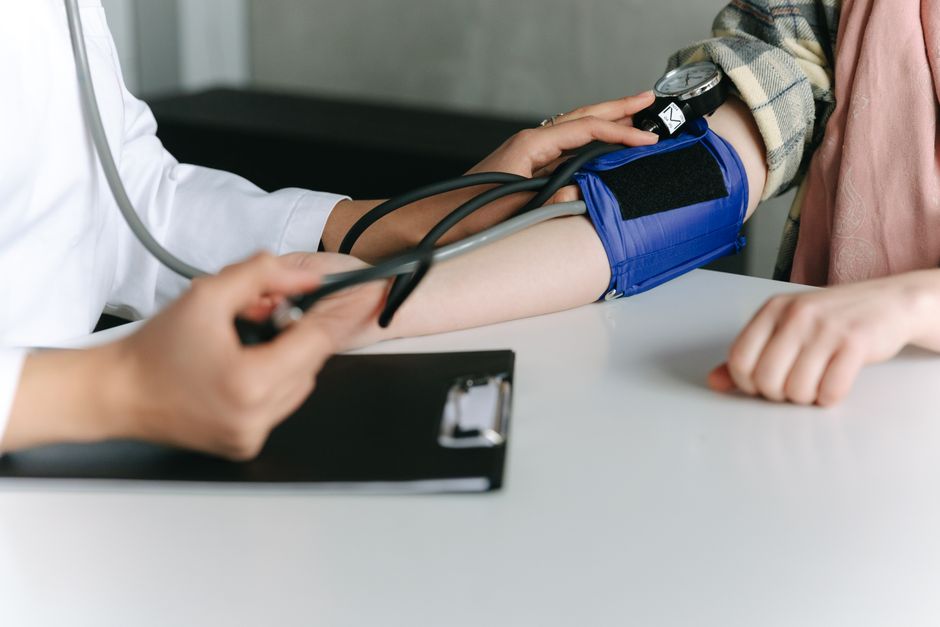
Low blood pressure is only a problem when it causes symptoms or signals an underlying condition. A reading below 90/60 mmHg is generally considered low, but many healthy people live at that level with no issues at all. The number matters less than how your body responds to it.
Blood pressure is the force of blood pushing against artery walls. When that force drops, the body usually compensates by narrowing blood vessels and increasing heart rate. For some people that system works smoothly. For others, the drop is steep enough to starve the brain of blood flow, and that is when low blood pressure becomes something to address.
What Counts as Low Blood Pressure?
Medical guidelines define low blood pressure as a reading below 90/60 mmHg. The top number (systolic) measures pressure when the heart contracts. The bottom number (diastolic) measures pressure between beats.
The threshold is a reference point, not a diagnosis. A young, fit person might run 85/55 and feel fine. An older adult with heart disease might feel faint at 100/65. Symptoms and context matter more than the number alone.
Blood pressure varies throughout the day. It tends to be lower at night and after meals. A single low reading is rarely meaningful. Clinicians look for a pattern, especially one that lines up with symptoms.
Is Low Blood Pressure Actually Bad For You?
For most healthy people, low blood pressure is not dangerous. It is often a sign of good cardiovascular function rather than a problem. Athletes and very fit individuals frequently have resting blood pressures in the low-normal range because their hearts pump more efficiently.
Low blood pressure becomes concerning in two situations. The first is when it causes symptoms: dizziness, fainting, blurred vision, confusion, or fatigue. The second is when it drops suddenly, which can signal a serious medical event such as internal bleeding, severe infection, or a reaction to medication.
There is a non-obvious point worth understanding. Blood pressure that is naturally low and stable is different from blood pressure that falls when you stand up. The first is usually harmless. The second (called orthostatic hypotension) can be a sign of dehydration, medication side effects, or nervous system problems, and it raises fall risk, particularly in older adults.
What Are the Symptoms of Low Blood Pressure?
Symptoms appear when blood flow to organs drops below what they need. The brain is most sensitive to this because it sits at the top of the body and needs steady pressure to stay perfused.
Common symptoms include:
- Dizziness or lightheadedness, especially when standing up
- Fainting (syncope)
- Blurred or tunnel vision
- Fatigue or difficulty concentrating
- Nausea
- Cold, clammy, pale skin
- Rapid, shallow breathing
In severe cases, low blood pressure can cause confusion or loss of consciousness. Shock is the most extreme form, where organs do not get enough blood and oxygen. Shock is a medical emergency and requires immediate treatment.
Many people with low blood pressure have no symptoms at all. When symptoms are absent, the low reading is usually not a health concern on its own.
What Causes Low Blood Pressure?
Causes fall into several categories. Some are harmless. Others need medical attention.
Dehydration is one of the most common causes. When you lose more fluid than you take in, blood volume drops and so does pressure. Fever, vomiting, diarrhea, and heavy sweating can all trigger this.
Medications are a frequent culprit. Diuretics, alpha-blockers, beta-blockers, some antidepressants, and drugs for Parkinson’s disease can lower blood pressure. So can certain over-the-counter medications when combined.
Orthostatic hypotension happens when blood pressure drops significantly within a few seconds to minutes of standing. It affects up to 20% of older adults, according to some estimates, though rates vary widely by population and definition. It can result from dehydration, prolonged bed rest, diabetes-related nerve damage, or age-related changes in how blood vessels respond to position changes.
Heart problems such as very slow heart rate, heart valve disease, heart attack, and heart failure can reduce blood pressure by impairing the heart’s ability to pump.
Endocrine conditions including thyroid disease, adrenal insufficiency (Addison’s disease), and low blood sugar can lower blood pressure.
Severe infection (septic shock) causes a dangerous drop in blood pressure. This is life-threatening and requires emergency care.
Nutritional deficiencies in vitamin B12, folate, and iron can lead to anemia, which reduces the blood’s oxygen-carrying capacity and can lower blood pressure.
Pregnancy commonly lowers blood pressure, especially in the first 24 weeks, because blood vessels dilate and blood volume expands. This is usually normal and resolves after delivery.
When Should You Worry About Low Blood Pressure?
You should seek medical evaluation if low blood pressure comes with symptoms that interfere with daily life or if it drops suddenly. Fainting, especially without warning, warrants a medical visit. So does dizziness that makes it hard to function or that gets worse over time.
Certain situations need urgent attention. A sudden drop in blood pressure along with confusion, rapid breathing, cold skin, or a weak and rapid pulse can indicate shock. Call emergency services in that case.
Low blood pressure after a serious injury, during an infection, or with chest pain is also an emergency. In these contexts, the low reading is a signal of something more serious happening inside the body.
For people who have chronic low blood pressure without symptoms, routine monitoring is generally sufficient. There is no evidence that asymptomatic low blood pressure causes harm in healthy adults.
How Is Low Blood Pressure Treated?
Treatment depends on the cause and whether symptoms are present. Asymptomatic low blood pressure in a healthy person typically needs no treatment.
When symptoms are present, clinicians often start by addressing reversible causes. That might mean adjusting medications, treating dehydration, or managing an underlying condition. Some clinicians recommend increasing fluid and salt intake for certain patients with orthostatic symptoms, but salt recommendations should come from a doctor, especially for people with heart or kidney conditions.
Lifestyle measures that are commonly suggested for symptomatic low blood pressure include:
- Drinking more water throughout the day
- Rising slowly from sitting or lying positions
- Wearing compression stockings to improve blood return from the legs
- Avoiding prolonged standing
- Eating smaller, more frequent meals (large meals can cause blood pressure to dip)
For more persistent cases, doctors may prescribe medication. Fludrocortisone and midodrine are among the drugs used, but these are prescribed for specific situations and carry side effects. They are not appropriate for everyone with low blood pressure. The evidence for how well these medications work varies by cause and patient group, and no single approach fits all cases.
No clinical guidelines currently exist for treating asymptomatic low blood pressure in healthy adults, because there is no evidence of benefit from doing so.
Can Low Blood Pressure Be Prevented?
You cannot always prevent low blood pressure, especially when it is genetic or related to a medical condition. But some steps reduce the chance of symptomatic drops.
Staying well hydrated is the most straightforward measure. Drinking enough water helps maintain blood volume. This matters more in hot weather, during exercise, and when you are sick.
If you take medications that lower blood pressure, ask your doctor whether your dose is appropriate. Medication-related low blood pressure is common and often correctable with an adjustment.
If you have orthostatic symptoms, rising slowly and tensing your leg muscles before standing can help. Some people find that crossing their legs or clenching their fists briefly before standing reduces dizziness.
For older adults, preventing falls is a key reason to take low blood pressure seriously. Fall-related injuries are a major cause of hospitalization, and orthostatic hypotension is a modifiable risk factor. That does not mean every older adult with low blood pressure needs treatment, but it does mean symptoms should not be ignored.
Frequently Asked Questions
Is 90/60 a dangerously low blood pressure?
No, 90/60 is the threshold for low blood pressure but is not dangerous for most people, especially if there are no symptoms. Danger comes from symptoms or a sudden drop, not the number alone.
What is the lowest blood pressure that is safe?
There is no single safe lower limit because the body’s tolerance varies. Some healthy people function well at 80/50 while others feel faint at 100/65, so symptoms are the better guide than a fixed number.
Can low blood pressure cause a heart attack?
Low blood pressure itself does not cause heart attacks, but a sudden severe drop can reduce blood flow to the heart and other organs. That is a medical emergency, not a typical outcome of chronic low blood pressure.
Should I worry about low blood pressure during pregnancy?
Low blood pressure is common in early pregnancy and usually normal, because blood vessels dilate and blood volume increases. Tell your doctor about dizziness or fainting so they can rule out other causes.
