
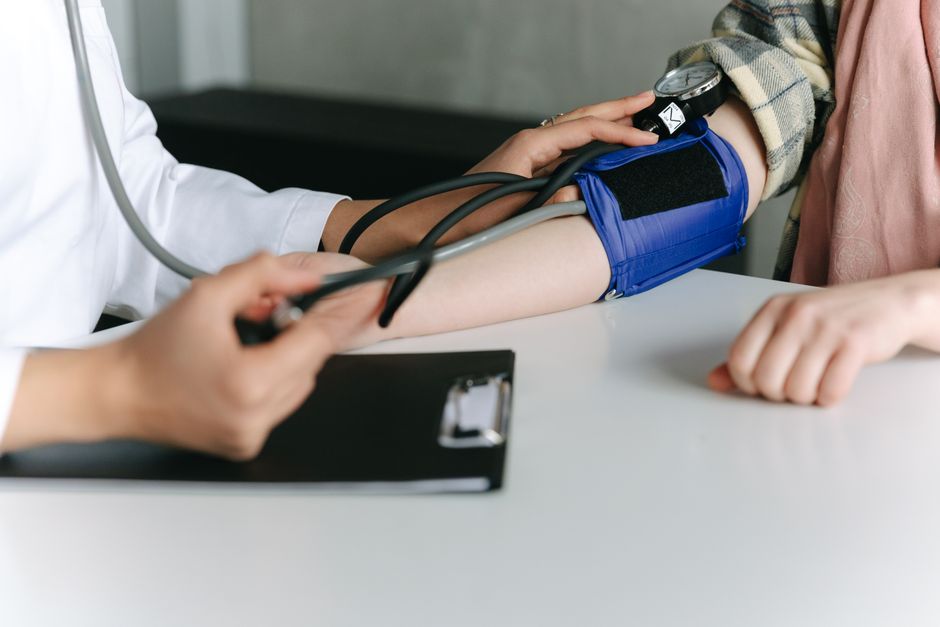
High blood pressure is not a typical sign of early pregnancy. In most cases, a reading that is higher than usual is not caused by pregnancy itself, especially in the first trimester. When high blood pressure does appear during pregnancy, it usually matters for a different reason: it can be a sign of a serious condition called preeclampsia, which generally develops after 20 weeks of pregnancy.
So the short answer is no for early pregnancy, but yes for a warning sign later on. The timing, the numbers, and other symptoms together tell the real story. Here is how to read them clearly.
Does Pregnancy Cause High Blood Pressure?
Pregnancy does not usually raise blood pressure in its early stages. In fact, blood pressure often drops slightly during the first and second trimesters.
This happens because blood vessels relax and widen to support increased blood flow to the placenta and growing fetus. Hormonal changes, including higher levels of progesterone, contribute to this effect. Many people notice their readings are a little lower than usual in early pregnancy.
Blood pressure tends to return toward pre-pregnancy levels in the third trimester. For most people with normal blood pressure before pregnancy, readings stay within a healthy range throughout.
The exception is a condition called chronic hypertension. This means high blood pressure was present before pregnancy or develops before 20 weeks. It is not caused by pregnancy, but it can affect how the pregnancy is managed.
What Blood Pressure Numbers Mean During Pregnancy
The thresholds used to define high blood pressure are the same in pregnancy as outside it. A reading of 140/90 mm Hg or higher is generally considered high.
Doctors often use two categories to describe high blood pressure in pregnancy:
- Elevated or mild high blood pressure: readings of 140/90 mm Hg or higher
- Severe high blood pressure: readings of 160/110 mm Hg or higher
Severe readings are treated as urgent. A single very high reading needs prompt medical attention, not a wait-and-see approach.
One reading is rarely enough to make a diagnosis. Blood pressure can rise temporarily from stress, pain, caffeine, or the setting of a clinic visit. Clinicians usually confirm with repeat measurements, and sometimes with home monitoring.
When Is High Blood Pressure a Warning Sign in Pregnancy?
High blood pressure that appears after 20 weeks of pregnancy is the key concern. This is when preeclampsia can develop.
Preeclampsia is a pregnancy complication marked by high blood pressure and signs of organ damage, often to the kidneys or liver. It affects a minority of pregnancies and is one of the leading causes of serious complications for both the pregnant person and the baby when it is not managed.
The exact cause is not fully understood. Current understanding points to problems with how the placenta develops and how blood vessels form in early pregnancy. It is not simply a matter of diet or stress, though those factors can influence general blood pressure.
Some clinicians also watch a related condition called gestational hypertension. This is high blood pressure that develops after 20 weeks without signs of organ damage. It is generally less serious than preeclampsia but still requires monitoring, because it can progress.


What Symptoms Should You Watch For?
High blood pressure on its own often causes no symptoms. That is part of why it is called the silent condition. Many people feel completely normal while their readings are elevated.
With preeclampsia, symptoms can appear as the condition advances. These can include:
- Headaches that are severe or do not go away
- Vision changes, such as blurring or seeing spots
- Swelling of the face or hands, especially sudden swelling
- Upper abdominal pain, often on the right side
- Shortness of breath
- Nausea or vomiting that is new in the second half of pregnancy
These symptoms do not always mean preeclampsia is present. But during pregnancy, they are a reason to contact a doctor promptly rather than wait for a scheduled visit.
Sudden severe symptoms, especially a severe headache with vision changes or upper abdominal pain, warrant urgent care. Do not delay seeking help.
How Is High Blood Pressure in Pregnancy Evaluated?
Evaluation starts with accurate blood pressure measurement. Clinicians measure blood pressure at routine prenatal visits throughout pregnancy.
If readings are high, the next steps usually involve checking for signs of organ involvement. This can include urine tests for protein, which can indicate kidney stress. Blood tests can assess liver and kidney function and platelet levels.
Doctors may also monitor the baby’s growth and well-being, since high blood pressure can affect blood flow to the placenta. Ultrasound and fetal monitoring are common tools.
The goal is to tell the difference between chronic hypertension, gestational hypertension, and preeclampsia. Each has a different level of concern and a different approach to monitoring.
What Happens If Blood Pressure Is High During Pregnancy?
Management depends on how high the readings are, how far along the pregnancy is, and whether there are signs of organ damage.
For mild high blood pressure, close monitoring is often the first step. This can include more frequent prenatal visits and home blood pressure checks. Some clinicians recommend medication for certain cases, depending on the situation.
For severe high blood pressure or preeclampsia, treatment is more active. Medications to lower blood pressure may be used under medical supervision. In some cases, early delivery is the safest option, because the only cure for preeclampsia is delivery of the baby and placenta.
It is important not to start or stop any blood pressure medication during pregnancy without medical guidance. Some blood pressure medicines are not recommended in pregnancy, and the choice of treatment is a decision for a clinician who knows the full picture.
No clinical guidelines currently recommend a specific home remedy for treating high blood pressure in pregnancy. Rest, diet changes, and stress reduction can support general health, but they are not a substitute for medical care when readings are high.
Can You Prevent High Blood Pressure in Pregnancy?
Not all cases can be prevented. Some risk factors, like certain medical conditions or a history of preeclampsia, are not fully within a person’s control.
Some evidence suggests that low-dose aspirin may reduce the risk of preeclampsia in people at higher risk. This is a decision made with a clinician, and it is not something to start on your own. The timing and dose are matters for medical guidance.
General steps that support healthy blood pressure before and during pregnancy include regular prenatal care, staying physically active as advised, and following a balanced eating pattern. These support overall health but should not be presented as a guaranteed way to prevent pregnancy-related high blood pressure.
If you have existing high blood pressure, talking with a doctor before pregnancy can help plan care. This is sometimes called preconception counseling, and it can make a real difference in how the pregnancy is managed.
When to Seek Care
Contact a doctor if you have a blood pressure reading of 140/90 mm Hg or higher, especially if it appears after 20 weeks of pregnancy. Seek urgent care for a reading of 160/110 mm Hg or higher, or for severe headache, vision changes, or upper abdominal pain.
Trust your instincts. If something feels wrong during pregnancy, it is always reasonable to call. Early evaluation is safer than waiting.
Frequently Asked Questions
Is high blood pressure an early sign of pregnancy?
No. High blood pressure is not a typical early sign of pregnancy, and blood pressure often runs slightly lower in the first trimester. A high reading in early pregnancy is more likely related to other factors or existing hypertension.
Can pregnancy cause high blood pressure?
Pregnancy can lead to high blood pressure that develops after 20 weeks, such as gestational hypertension or preeclampsia. It does not usually cause high blood pressure in early pregnancy.
What blood pressure is too high during pregnancy?
A reading of 140/90 mm Hg or higher is generally considered high during pregnancy. Readings of 160/110 mm Hg or higher are severe and need urgent medical attention.
Can high blood pressure during pregnancy harm the baby?
Unmanaged high blood pressure, especially with preeclampsia, can affect blood flow to the placenta and the baby’s growth. Close monitoring and timely treatment help reduce these risks.
