

A reading of 128/84 is not a good blood pressure. It falls in the elevated range, according to the American Heart Association and American College of Cardiology guidelines. That means it is not high blood pressure yet, but it is above the normal range and worth paying attention to. The top number sits in the elevated zone while the bottom number is still normal, which is common and often the earliest sign of a drift upward.
This reading is a signal, not a diagnosis. It tells you where you stand right now and gives you a window to act before things progress. Most people with a reading like this feel completely fine, which is exactly why the numbers matter more than how you feel.
What Do the Two Numbers in 128/84 Mean?
The top number is systolic pressure — the force against your artery walls when your heart contracts. The bottom number is diastolic pressure — the pressure that remains when your heart relaxes between beats. Both are measured in millimeters of mercury, written as mm Hg.
A reading of 128/84 means your systolic pressure is 128 mm Hg and your diastolic pressure is 84 mm Hg. The systolic number is the one that tends to rise first as arteries stiffen with age. The diastolic number often reflects the resistance in the smaller blood vessels.
For most adults, systolic pressure gets more clinical attention after age 50. That is because rising systolic pressure is a stronger predictor of cardiovascular problems in older adults. But diastolic pressure still matters, especially in people under 50, where it can be an early warning sign.
Is 128/84 a Good Blood Pressure Reading?
No. A reading of 128/84 is classified as elevated blood pressure. The American Heart Association and American College of Cardiology set the categories, and this reading lands in a specific spot that is above normal but below the hypertension threshold.
Here is how the categories break down for adults:
- Normal: systolic under 120 and diastolic under 80
- Elevated: systolic 120–129 and diastolic under 80
- Stage 1 hypertension: systolic 130–139 or diastolic 80–89
- Stage 2 hypertension: systolic 140 or higher or diastolic 90 or higher
Something important happens with a reading of 128/84. The systolic number of 128 falls in the elevated range. But the diastolic number of 84 falls in the Stage 1 hypertension range. When the two numbers fall into different categories, the higher category applies. That means 128/84 is technically classified as Stage 1 hypertension, not merely elevated.
This is a detail many people miss. A single high diastolic number is enough to move the classification up. It does not automatically mean you have hypertension as a diagnosis, but it does mean the reading deserves a repeat check and a conversation with a clinician.
Why Does a Single Reading Not Tell the Whole Story?
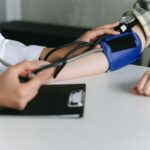
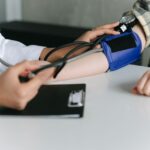
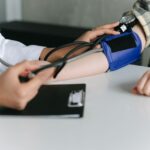
One reading is a snapshot, not a verdict. Blood pressure changes from minute to minute and hour to hour. It rises with stress, caffeine, a full bladder, talking during the measurement, or simply being in a doctor’s office.
Clinicians usually do not diagnose anything from one measurement. The standard approach is to average multiple readings taken on separate occasions, ideally at home, where people tend to be more relaxed. Home monitoring often gives a clearer picture than a single office reading.
There is also a well-documented pattern called white coat hypertension, where blood pressure runs higher in a clinical setting than at home. The opposite also exists — masked hypertension, where readings look fine in the office but run high in daily life. Neither can be spotted from one number.
If you get a 128/84 at a checkup, the useful next step is to measure at home over a week or two, following a consistent routine. Take readings at the same times, sit quietly for five minutes first, keep your feet flat, and rest your arm at heart level. Bring those numbers to your next appointment.


What Are the Risks of Blood Pressure at This Level?
The risk at 128/84 is low in the short term and grows with time if the numbers keep climbing. This is the range where prevention has the most leverage. Blood pressure tends to rise gradually with age, and the trajectory matters as much as any single reading.
Persistently elevated blood pressure over years puts strain on the heart, blood vessels, kidneys, and eyes. It is a leading modifiable risk factor for heart attack and stroke. The higher the pressure and the longer it stays elevated, the greater the strain.
At the 128/84 level, the concern is not an emergency. The concern is drift. People who sit in this range often move into clearer hypertension within a few years if nothing changes. Catching it here is an opportunity, not a crisis.
Some research suggests that even blood pressure in the elevated range carries a modestly higher long-term cardiovascular risk compared with strictly normal pressure. The effect at this level is small for any one person, but it is real across large populations.
What Factors Push Blood Pressure Into This Range?
Many things nudge blood pressure upward, and most are ordinary parts of daily life. Common contributors include:
- High sodium intake, often from processed and restaurant food
- Low potassium intake from too few fruits and vegetables
- Excess body weight, particularly around the midsection
- Physical inactivity
- Regular alcohol consumption
- Poor sleep, including untreated sleep apnea
- Chronic stress
- Smoking and nicotine use
- Age-related stiffening of the arteries
- Family history of high blood pressure
Some of these are within your control and some are not. Age and genetics you cannot change. Sodium, activity, weight, alcohol, and sleep you largely can. A reading like 128/84 is often the result of several small factors adding up rather than one obvious cause.
Certain medications can also raise blood pressure, including some decongestants, nonsteroidal anti-inflammatory drugs, and certain hormonal treatments. If your numbers have drifted recently, it is worth reviewing your medication list with a clinician or pharmacist.
What Actually Helps Bring Blood Pressure Down?
Lifestyle changes can lower blood pressure meaningfully, and the evidence for them is strong. This is not marketing — these are well-established interventions studied in large trials.
Reducing sodium intake lowers blood pressure for many people. The effect varies from person to person, and some people are more salt-sensitive than others. Cutting back on processed foods is usually the most effective single step, since most dietary sodium comes from packaged and restaurant food rather than the salt shaker.
Increasing potassium intake through fruits and vegetables helps counter sodium’s effect on blood pressure. This matters for most people, though anyone with kidney disease should talk to a clinician before increasing potassium, because impaired kidneys may not handle it safely.
Regular physical activity — aerobic exercise in particular — has a consistent blood pressure-lowering effect. Losing excess weight helps too, and even modest weight loss can move the numbers. Limiting alcohol and quitting smoking both matter, though smoking’s effect on blood pressure is more complex than often described: it raises pressure acutely with each cigarette, and quitting reduces long-term cardiovascular risk substantially.
Getting enough sleep and treating sleep apnea, if present, can make a real difference. Poor sleep and untreated apnea are underrecognized contributors to resistant high blood pressure.
When lifestyle changes are not enough, or when blood pressure is clearly in the hypertension range, clinicians may prescribe medication. Whether medication is appropriate at 128/84 depends on your overall cardiovascular risk, not just the number. Someone with diabetes, kidney disease, or a prior heart event may be treated at a lower threshold than someone with no other risk factors.
When Should You See a Clinician?
See a clinician if your home readings consistently sit at 128/84 or higher over a week or two. Also see one if you notice the numbers trending upward over months, or if you have other cardiovascular risk factors like diabetes, high cholesterol, kidney disease, or a family history of early heart disease.
Seek urgent care if you get a reading of 180/120 or higher, especially with symptoms like chest pain, shortness of breath, severe headache, vision changes, weakness, or difficulty speaking. That combination can signal a medical emergency.
A reading of 128/84 on its own is not an emergency. It is a reason to start paying attention, measure consistently, and have an honest conversation with a clinician about your overall risk.
Frequently Asked Questions
Is 128 over 84 considered high blood pressure?
It falls into Stage 1 hypertension under current American Heart Association and American College of Cardiology categories, because the diastolic number of 84 is in that range. A single reading does not confirm a diagnosis, so repeat measurements are needed.
Should I worry about a blood pressure of 128/84?
It is not an emergency, but it is above normal and worth monitoring. The main concern is that blood pressure tends to drift upward over time, so acting now has more leverage than waiting.
Can 128/84 be lowered without medication?
Often yes, through reducing sodium, increasing activity, losing excess weight, limiting alcohol, and improving sleep. Whether medication is needed depends on your overall cardiovascular risk, which a clinician can assess.
How often should I check my blood pressure at this level?
Checking at home over one to two weeks gives a clearer picture than a single office reading. Bring those measurements to a clinician, who can advise on how often to monitor going forward.
