
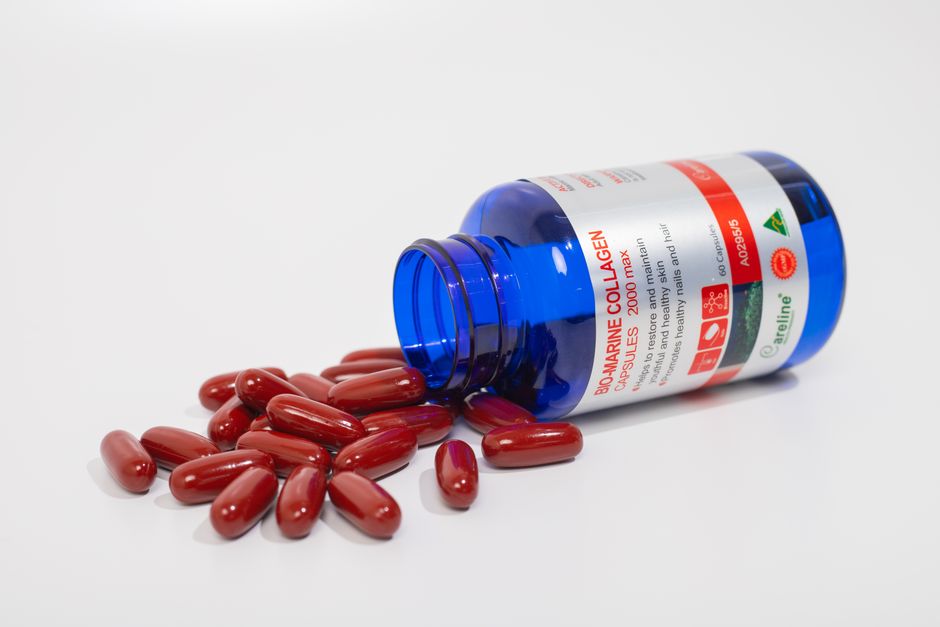
Liquid collagen is a popular supplement, but whether it is good for you depends on what you expect it to do. The science shows that collagen peptides, whether in liquid or powder form, can support skin elasticity and joint comfort when taken consistently. However, liquid collagen is not a magic cure, and the evidence for its benefits is stronger in some areas than others. The real question is whether the convenience and price of a liquid formula make sense for you compared to other forms of collagen.
What Is Liquid Collagen?
Liquid collagen is a drinkable supplement that contains hydrolyzed collagen peptides. Hydrolyzed means the collagen protein has been broken down into smaller pieces called peptides. These smaller pieces are easier for your body to absorb than whole collagen proteins.
Most liquid collagen products come from bovine (cow) hides or marine sources like fish skin and scales. The collagen is extracted, broken down, and mixed with water and often other ingredients like vitamins or fruit flavoring.
Liquid collagen is not the same as the collagen your body makes naturally. Your body produces its own collagen from amino acids, vitamin C, zinc, and copper. Supplements provide additional building blocks, but they do not replace your body’s natural production process.
Does Liquid Collagen Actually Work?
Research consistently shows that collagen peptides can be absorbed into your bloodstream after ingestion. Studies have found measurable increases in collagen-related amino acids in the blood within hours of taking collagen supplements.
Whether that absorption translates into visible benefits is a separate question. Some studies suggest that collagen supplementation can improve skin hydration, elasticity, and roughness after 8 to 12 weeks of daily use. These studies are generally small, and many are funded by companies that make collagen products.
For joint health, some research indicates collagen peptides may reduce joint pain and improve function in people with osteoarthritis. The effect appears modest and takes time to develop. Results are not immediate.
No large human trials have confirmed that liquid collagen is more effective than powder or pill forms. The liquid form may absorb slightly faster because it is already dissolved, but no evidence shows this faster absorption produces better outcomes.
Liquid vs. Powder vs. Pills
Collagen supplements come in three main forms: liquid, powder, and capsules. The active ingredient is the same hydrolyzed collagen regardless of form. The differences are convenience, taste, and price.
Liquid collagen is the most convenient because it requires no mixing. You can drink it straight from the bottle. It is also the most expensive per gram of collagen, often costing several times more than powder.
Powder collagen is more affordable and can be mixed into coffee, smoothies, or water. Some people dislike the texture or taste. Powders typically dissolve well in cold liquids but may clump in hot drinks.
Capsules are the least convenient for high doses because you need to swallow many pills to get a meaningful amount. Most capsules contain 500 to 1000 mg, while studies showing benefits typically use 2.5 to 15 grams per day.
A practical difference exists between liquid and powder beyond price. Liquid collagen often contains added vitamins, hyaluronic acid, or other ingredients that claim to boost collagen’s effects. These additions are not backed by strong evidence and increase the cost.





How Much Collagen Do You Need?
Clinical studies that show benefits for skin and joints typically use doses between 2.5 and 15 grams of collagen peptides per day. For skin health, most research uses 2.5 to 10 grams daily. For joint health, studies often use 10 to 15 grams daily.
Liquid collagen products vary widely in their collagen content. Some contain only 2 grams per bottle, while others contain 10 grams or more. You must read the label to know what you are actually getting.
A common mistake is assuming all liquid collagen products deliver the same amount. They do not. A product with 3 grams of collagen may cost the same as one with 10 grams. Comparing cost per gram of collagen is the only reliable way to evaluate value.
No clinical guidelines currently exist for collagen supplementation. The doses used in research are not official recommendations. They are simply the amounts researchers chose to study.
Who Should Not Take Liquid Collagen?
Most healthy adults can take collagen supplements without problems. Side effects are uncommon and usually mild, including digestive upset, a bad taste in the mouth, or feelings of fullness.
People with fish or shellfish allergies should avoid marine collagen. People with beef allergies should avoid bovine collagen. Check the source of the collagen before purchasing.
Pregnant and breastfeeding women should talk to their doctor before taking collagen supplements. No large safety studies exist for these populations. The absence of evidence is not evidence of safety.
People with kidney disease should be cautious. Collagen is a protein, and high protein intake may strain kidneys that are already compromised. Discuss any protein supplement with your kidney specialist.
Vegetarians and vegans cannot use standard collagen supplements because all commercial collagen comes from animals. Vegan collagen alternatives exist but are not the same product and have even less research behind them.
What Liquid Collagen Cannot Do
No study has confirmed that liquid collagen can reverse aging, cure joint disease, or replace a healthy diet. Marketing claims that collagen will erase wrinkles or rebuild cartilage overnight are not supported by evidence.
Collagen supplements do not prevent bone loss on their own. Some research looks promising for bone density, but the evidence is not strong enough to recommend collagen as a bone treatment. Calcium, vitamin D, and weight-bearing exercise remain the established approaches.
Liquid collagen will not help if your diet lacks the nutrients your body needs to use collagen. Vitamin C is essential for collagen synthesis. If you are deficient in vitamin C, extra collagen peptides will not be used effectively.
Collagen is not a complete protein. It lacks tryptophan, an essential amino acid. Relying on collagen as your main protein source would create a nutritional gap. It should be a supplement, not a meal replacement.
What the Science Says About Skin and Joints
Research published in dermatology journals has found that collagen peptide supplementation can increase skin density and hydration. These studies typically last 8 to 12 weeks and show measurable but modest improvements.
Some research suggests that collagen supplements may help with joint pain. A study on athletes found reduced joint pain during activity after daily collagen supplementation. The effect was not dramatic, and more research is needed.
The evidence for hair and nail benefits is weaker. Some studies suggest faster nail growth and fewer broken nails, but the research base is thin. Claims about thicker hair or preventing hair loss have little scientific support.
The quality of collagen research is improving, but many studies are small and short-term. Longer trials with larger groups are needed before the benefits are fully established.
Is Liquid Collagen Worth the Cost?
Liquid collagen is significantly more expensive than powder or capsules per gram of protein. You are paying for convenience, water weight, and packaging. The collagen itself is not better quality because it is in liquid form.
If you value convenience and are willing to pay for it, liquid collagen is a reasonable choice. If you are budget-conscious, powder collagen offers the same active ingredient at a fraction of the cost.
Before buying, check the label for the exact amount of collagen peptides. Look for the words “hydrolyzed collagen” or “collagen peptides.” Products labeled “collagen” without specifying the form may not be hydrolyzed and may not absorb as well.
Consider whether you already eat collagen-rich foods. Bone broth, chicken skin, fish skin, and gelatin are natural sources. These foods provide collagen peptides along with other nutrients, though the amounts are not standardized.
How to Choose a Quality Product
Look for products that state the collagen source clearly. Bovine and marine collagen are the most common and most studied. Avoid products that hide the source or use vague language.
Check for third-party testing. Some collagen brands voluntarily submit their products for independent testing to verify purity and accurate labeling. This testing is not required by law, so its absence does not mean a product is bad, but its presence adds confidence.
Be wary of products with long lists of added ingredients. Hyaluronic acid, vitamins, and botanical extracts are often added to justify higher prices. The evidence for these combinations is limited.
Start with a lower dose to see how your body responds. Some people experience digestive discomfort when starting collagen. You can gradually increase the amount over several days.
Frequently Asked Questions
Can liquid collagen be absorbed by the body?
Yes, the peptides in liquid collagen are absorbed into your bloodstream after digestion. Studies have confirmed that collagen peptides appear in the blood within hours of ingestion.
How long does it take to see results from liquid collagen?
Skin improvements typically appear after 8 to 12 weeks of daily use in clinical studies. Joint benefits may take longer, often 3 to 6 months before noticeable changes.
Is liquid collagen better than collagen powder?
No evidence shows liquid collagen is more effective than powder. The active ingredient is the same, and liquid forms mainly offer convenience at a higher price.
Can you take liquid collagen every day?
Daily use is common in clinical studies and appears safe for healthy adults. No official guidelines exist, so follow the dosage on the product label and talk to your doctor if you have health conditions.
