
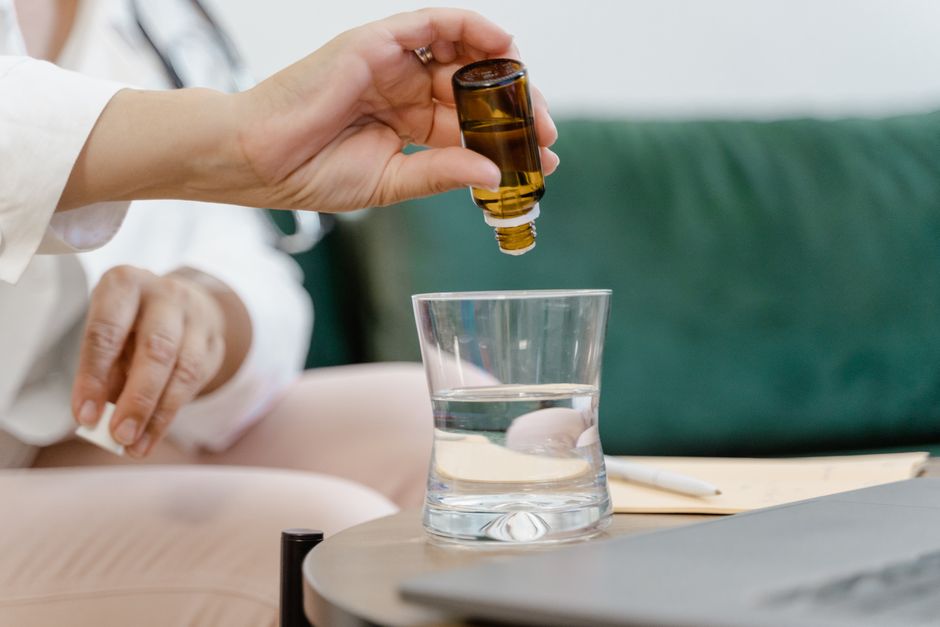
Liquid IV is a popular hydration multiplier that you mix into water. The core question is simple: does it actually work better than plain water? The honest answer is yes, but with important caveats. Liquid IV uses a specific ratio of electrolytes and sugar to speed up water absorption into your bloodstream, which is a science-backed method. However, it is not a magic cure for all hydration issues, and it is not necessary for most everyday situations.
What Is Liquid IV and How Does It Work?
Liquid IV is a powdered drink mix. Each packet contains electrolytes like sodium and potassium, plus sugar and water. The key to its function is the specific ratio of these ingredients, which is based on the science of oral rehydration.
Your intestines absorb water best when there is a precise balance of sodium and glucose present. This is called the sodium-glucose cotransport system. When sodium and glucose are present together in the right amounts, water is pulled into the bloodstream much faster than if you drank plain water alone. This is the established mechanism behind all oral rehydration solutions, including those used for severe dehydration worldwide.
Liquid IV uses this same principle. It is not a unique invention. It is a consumer-friendly version of a formula that has been used in medicine for decades. The World Health Organization has used a similar oral rehydration salt formula since the 1970s to treat dehydration from diarrhea and cholera.
Does Liquid IV Work Better Than Water?
For most people drinking water throughout the day, Liquid IV offers little to no advantage. Your body is already well-equipped to maintain hydration if you drink enough water and eat a normal diet. You do not need added electrolytes for daily life.
Liquid IV becomes useful in specific situations where you are losing more fluids and electrolytes than normal. These include intense exercise lasting over an hour, heavy sweating in hot weather, or illness that causes vomiting or diarrhea. In these cases, the added sodium and glucose help replace what you lost and speed up rehydration.
Research on oral rehydration solutions consistently shows they are effective for treating dehydration. However, most studies focus on clinical dehydration, not on the mild dehydration you might feel after a workout or a long flight. The evidence that Liquid IV specifically outperforms water in everyday scenarios is limited. Some studies suggest it improves hydration markers, but the practical difference for a healthy person is often negligible.
What Is in Liquid IV?
Liquid IV’s main formula contains three key ingredients: sodium, potassium, and sugar. Each serving provides a significant amount of these electrolytes compared to a typical sports drink.
The sodium content is notable. One packet of Liquid IV Hydration Multiplier contains about 500 mg of sodium. This is roughly 20 percent of the recommended daily limit for most adults. For comparison, a standard 20-ounce sports drink contains about 270 mg of sodium. This higher sodium level is what drives the rapid water absorption.
The sugar content is also worth noting. Each packet contains about 11 grams of sugar. This is not excessive, but it is not zero either. The sugar is necessary for the absorption mechanism, but it does add calories and carbohydrates to your intake. If you are watching your sugar intake for health reasons, this matters.





When Should You Use Liquid IV?
Liquid IV is most useful when you are genuinely losing electrolytes. This happens in a few clear scenarios.
Intense exercise is one situation. If you are running a marathon, doing heavy weightlifting, or playing competitive sports for more than an hour, your body loses sodium through sweat. Replacing that sodium helps maintain performance and prevents cramping.
Heat exposure is another. Working outdoors in summer, hiking in hot weather, or spending a day at the beach in the sun increases your fluid and electrolyte losses. Liquid IV can help replace what you lost.
Illness is a third scenario. If you have a stomach bug with vomiting or diarrhea, you are losing fluids and electrolytes rapidly. Oral rehydration solutions like Liquid IV are genuinely helpful here. However, if you are severely dehydrated and cannot keep fluids down, you need medical attention, not a drink mix.
For the average person sitting at a desk, running errands, or doing light exercise, Liquid IV is not necessary. Plain water and a normal diet provide everything you need.
Are There Downsides to Liquid IV?
There are some downsides to consider before making Liquid IV a daily habit.
High sodium intake is the main concern. If you have high blood pressure, kidney disease, or heart failure, you may need to limit sodium. A single packet of Liquid IV contains about 500 mg of sodium. That is a meaningful amount. If your doctor has told you to watch your salt intake, you should ask before using this product regularly.
Blood sugar impact is another consideration. The 11 grams of sugar per packet can affect blood glucose levels. If you have diabetes or prediabetes, this is relevant. There is also a sugar-free version of Liquid IV, but it uses a different sweetener and may not absorb water as efficiently because it lacks the glucose needed for the sodium-glucose cotransport system.
Cost is also a factor. Liquid IV is significantly more expensive than plain water or a homemade electrolyte drink. You can make a similar solution at home with water, salt, and sugar for a fraction of the cost.
Does Liquid IV Work for Hangovers?
This is one of the most common reasons people use Liquid IV. The answer is that it can help with some symptoms, but it is not a cure.
Alcohol causes dehydration by suppressing an antidiuretic hormone called vasopressin. This makes you urinate more and lose fluids. It also causes electrolyte imbalances. Liquid IV can help replace those fluids and electrolytes, which may reduce the headache and fatigue associated with a hangover.
However, a hangover is not just dehydration. It also involves inflammation, disrupted sleep, and the toxic byproducts of alcohol metabolism. No drink mix can fix those. The best way to prevent a hangover is to drink alcohol in moderation and consume water alongside it.
Does Liquid IV Work for Kids and Pregnant Women?
For children, Liquid IV is not recommended without a doctor’s guidance. Children have different fluid and electrolyte needs than adults. Giving a child a full adult dose of sodium could be harmful. No clinical guidelines currently exist for using Liquid IV in children, so you should not assume it is safe.
For pregnant women, the situation is similar. Pregnancy changes fluid needs and kidney function. Some ingredients in Liquid IV may be fine, but the high sodium content could be a concern if you have pregnancy-related high blood pressure. Always talk to your obstetrician before using any hydration supplement during pregnancy.
Frequently Asked Questions
Is Liquid IV safe to drink every day?
For healthy adults, daily use is likely safe but unnecessary. The main risk is consuming too much sodium, especially if you have high blood pressure or kidney issues.
How fast does Liquid IV work?
You may feel effects within 20 to 30 minutes because the sodium-glucose ratio speeds up water absorption. However, noticeable changes in hydration markers depend on how dehydrated you were to begin with.
Can Liquid IV replace sports drinks?
Yes, it can replace sports drinks for electrolyte replacement during exercise. It contains more sodium than most sports drinks, so it may be more effective for heavy sweaters.
Does Liquid IV have too much sugar?
Each packet has about 11 grams of sugar, which is moderate. The sugar is needed for the absorption mechanism, but it is a consideration if you are limiting sugar intake.
Liquid IV is a legitimate product that uses a proven scientific principle. It works for rehydration when your body is actually losing electrolytes. It is not necessary for daily hydration, and it is not a cure for hangovers or a substitute for medical care in severe dehydration. The evidence supports its use in specific situations, not as an everyday necessity.
