
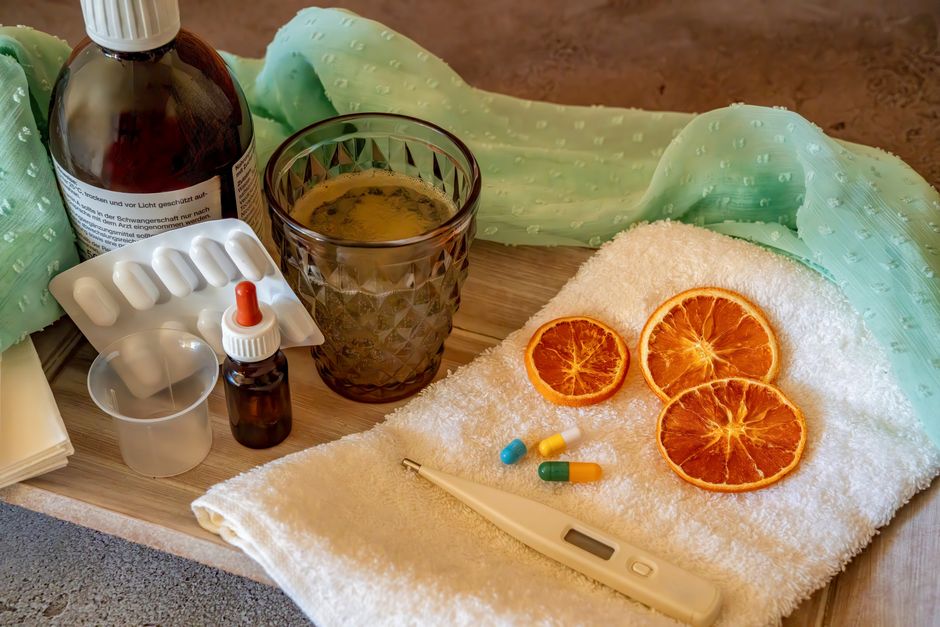
A sore throat can make even a glass of water feel like a chore. The good news is that most sore throats are caused by viruses and will clear up on their own within a week. While you cannot cure a viral infection, you can manage the pain effectively at home. The fastest relief comes from a combination of warm salt water gargles, staying hydrated with warm liquids, and using over-the-counter pain relievers like ibuprofen or acetaminophen. These steps reduce inflammation and coat the irritated tissues, giving you immediate comfort while your immune system does the work.
What Actually Causes a Sore Throat?
Understanding the cause helps you choose the right home treatment. In most cases, a sore throat is the result of a viral infection, such as the common cold, flu, or COVID-19. The virus infects the lining of your throat, causing inflammation, swelling, and pain.
Bacterial infections, like strep throat, are less common. They account for a smaller percentage of adult sore throats. Strep throat often comes with a sudden high fever, swollen lymph nodes, and white patches on the tonsils, but no cough. If you suspect strep, home remedies will not cure it. You need to see a doctor for antibiotics.
Other triggers include allergies, dry indoor air, and acid reflux. Post-nasal drip from allergies can irritate the throat all night long. Dry air, especially in winter, dries out the mucous membranes and makes the pain worse. Acid reflux can cause throat pain that feels worse in the morning after lying flat all night.
How To Get Over A Sore Throat Fast At Home
The fastest way to get relief is to target the inflammation directly. Ibuprofen (Advil, Motrin) is particularly effective because it reduces the swelling that causes the pain. Acetaminophen (Tylenol) also works well for pain relief, though it has less effect on inflammation. Follow the dosing instructions on the package and do not exceed the recommended daily limit.
Gargling with warm salt water is one of the oldest and most effective home remedies. Mix half a teaspoon of salt into a full glass of warm water. Gargle for about 30 seconds and spit it out. The salt draws fluid out of the swollen throat tissues, which reduces swelling. You can do this every few hours as needed. It is safe for anyone over the age of six who can gargle without swallowing.
Cold foods can also numb the throat temporarily. Ice chips, cold applesauce, or a popsicle can provide quick relief. For some people, warm liquids work better. Herbal tea with honey and lemon is a classic choice. Honey coats the throat and has mild antibacterial properties. Do not give honey to children under one year old due to the risk of infant botulism.
Which Home Remedies Actually Work?
Some remedies have strong evidence behind them. Others are popular but lack solid proof. Here is a breakdown of what is worth trying.
- Salt water gargles: This is well-supported. The osmotic effect reduces tissue swelling and helps clear irritants.
- Honey: Research published in the journal Pediatrics found honey was more effective than a common cough suppressant for nighttime cough relief in children. It is a reasonable option for adults too.
- Warm liquids: Broth, tea, and warm water with lemon help keep the throat moist and thin mucus. Hydration is essential for recovery.
- Lozenges: These stimulate saliva production, which keeps the throat lubricated. Look for lozenges containing benzocaine or menthol for numbing effects.
- Humidifiers: Adding moisture to the air can soothe a dry, scratchy throat. This is especially helpful if your home has dry heating air.
Some popular remedies do not have strong evidence. Apple cider vinegar is often promoted as a cure, but no clinical studies confirm it helps sore throats. In fact, undiluted vinegar can burn the throat tissues. Similarly, garlic is a healthy food, but there is no reliable evidence that eating raw garlic shortens or cures a sore throat.





What Not To Do When You Have a Sore Throat
A few common habits can make a sore throat worse. Avoid smoking and exposure to secondhand smoke. Smoke irritates the already inflamed throat lining and slows healing. Vaping is not a safe alternative here; it introduces the same irritating chemicals.
Be careful with very hot liquids. While warm tea is soothing, boiling hot beverages can scald the throat and worsen the injury. Let your drink cool to a comfortable sipping temperature.
Stop talking when you can. Whispering is actually worse than speaking normally because it strains the vocal cords. Rest your voice as much as possible. If you must speak, use a normal tone at a low volume.
Alcohol-based mouthwashes can sting and dry out the throat. If you want to rinse, use the salt water solution instead. It is gentler and more effective for this purpose.
How Long Will It Last?
For a typical viral sore throat, the pain usually peaks in the first two to three days. Most people feel significant improvement within five to seven days. If your sore throat lasts longer than a week without any improvement, you should see a doctor.
Seek medical attention sooner if you have difficulty swallowing, difficulty breathing, or drooling. A high fever above 101°F, a sore throat that comes on suddenly, or swollen lymph nodes in the neck could indicate strep throat. Do not wait a week if you have these symptoms. Early treatment with antibiotics can prevent complications like rheumatic fever.
If you have a persistent sore throat that lasts more than three weeks, it could be a sign of something other than an infection. Chronic acid reflux, allergies, or even voice overuse can cause long-lasting throat pain. A doctor can help identify the underlying cause.
When Home Care Is Not Enough
Home remedies are appropriate for mild to moderate viral sore throats. They are not a substitute for medical care in certain situations. You should contact a healthcare provider if you experience any of the following:
- Difficulty breathing or swallowing
- A fever above 101°F that lasts more than 48 hours
- A sore throat that lasts more than a week
- Visible white patches or pus on the back of your throat
- A muffled voice or difficulty opening your mouth
- Blood in your saliva or phlegm
Strep throat requires a prescription antibiotic. It will not resolve with home treatment alone. Untreated strep can lead to more serious conditions, including kidney inflammation or rheumatic fever. If you suspect strep, get a rapid test or throat culture at a clinic.
For recurrent sore throats, consider whether your environment plays a role. Allergens like dust or pet dander can cause chronic throat irritation. A HEPA air filter in your bedroom may help. If you wake up with a sore throat every morning, acid reflux is a likely culprit. Elevating the head of your bed and avoiding food for three hours before lying down can reduce nighttime reflux.
Frequently Asked Questions
Does gargling with salt water actually speed up recovery?
Salt water gargles reduce swelling and help clear irritants, which provides pain relief, but they do not kill the virus or shorten the illness. The benefit is symptom management, not a cure.
Is honey safe for a sore throat?
Honey is safe for adults and children over one year old. It coats the throat and provides mild relief, but it should never be given to infants due to the risk of infant botulism.
When should I see a doctor for a sore throat?
See a doctor if you have difficulty swallowing or breathing, a fever above 101°F, or a sore throat that lasts more than a week. These symptoms may indicate strep throat or another condition requiring medical treatment.
Can cold drinks make a sore throat worse?
Cold drinks are generally safe and can numb the throat temporarily for some people. If cold makes your pain worse, switch to warm liquids like herbal tea or broth.
