
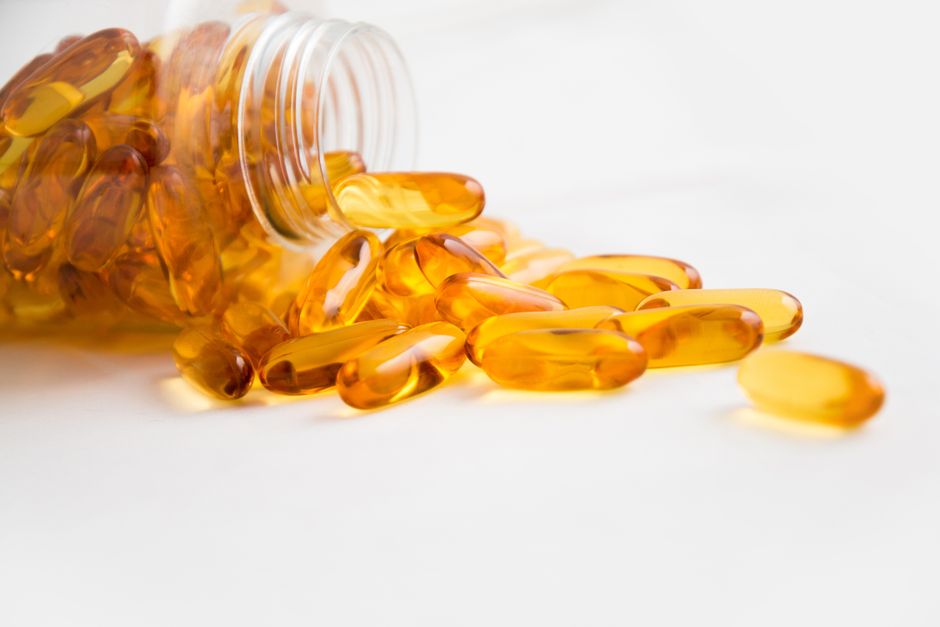
Lecithin is not bad for you. For the vast majority of people, it is safe and even beneficial when consumed in normal amounts from food or supplements. The real story is more nuanced than the viral claims you may have seen online. Some people worry about lecithin because of where it comes from or how it is processed. But the evidence shows that lecithin is a well-studied food additive and supplement with a strong safety record.
What Exactly Is Lecithin and Why Is It in Everything?
Lecithin is a fatty substance naturally found in many plant and animal tissues. Your body actually produces it on its own. It is a mixture of phospholipids, which are essential for building cell membranes and transporting fats in the bloodstream.
Food manufacturers use lecithin because it works as an emulsifier. It keeps ingredients that normally separate, like oil and water, mixed together smoothly. You will find it in chocolate, salad dressings, margarine, baked goods, and many processed foods. It is also sold as a dietary supplement, often in capsule or granular form.
The most common sources are soybeans, sunflower seeds, and eggs. Soy lecithin is the most widely used because it is inexpensive and readily available. Sunflower lecithin has become more popular in recent years as a non-GMO and soy-free alternative. Egg lecithin is less common in commercial food production but is naturally present in egg yolks.
Is Lecithin Bad For You According to Research?
The short answer is no. Research shows that lecithin is recognized as safe by major health authorities worldwide. The U.S. Food and Drug Administration classifies lecithin as Generally Recognized as Safe. The European Food Safety Authority has also approved it for use in foods with no established daily intake limit.
Studies published in journals like Nutrition Reviews and Food and Chemical Toxicology have found no significant health risks from dietary lecithin at normal consumption levels. The amounts used in food are small, typically less than 1 percent of the product weight.
Some research has even suggested potential benefits. Lecithin contains choline, a nutrient important for brain function, liver health, and muscle movement. The National Institutes of Health notes that choline is an essential nutrient that many Americans do not get enough of. Lecithin supplements are sometimes used to support liver health and cognitive function, though the evidence for these uses is mixed.
One area where lecithin has been studied extensively is in Alzheimer’s disease. Early research in the 1980s and 1990s suggested that lecithin might help improve memory in people with dementia. However, a 2003 review published in the Cochrane Database of Systematic Reviews found no convincing evidence that lecithin is effective for treating Alzheimer’s. More recent studies have not changed that conclusion.
What About the TMAO and Heart Health Concerns?
This is where things get complicated. Some online articles claim that lecithin raises TMAO levels in the blood, which is linked to an increased risk of heart disease. TMAO stands for trimethylamine N-oxide, a compound produced when gut bacteria break down choline and carnitine.
Here is what the research actually shows. When you consume lecithin, your gut bacteria convert some of the choline into TMA, which your liver then turns into TMAO. High TMAO levels have been associated with a higher risk of heart attack and stroke in some observational studies.
But there is a big difference between what happens in a lab and what matters for your health. The studies that raised concerns about TMAO used very high doses of choline, far more than what you would get from food or standard lecithin supplements. A 2019 study in the European Journal of Nutrition found that moderate lecithin intake did not significantly raise TMAO levels in healthy people.
The bigger picture is more important. Whole foods that naturally contain lecithin, like eggs and soybeans, have not been shown to increase heart disease risk. In fact, eggs are part of many heart-healthy diets. The TMAO concern is real in theory, but the practical risk for someone eating a normal diet appears to be very low.





What Are the Side Effects of Lecithin?
Side effects from lecithin are uncommon and usually mild. The most frequently reported issues are digestive. Some people experience stomach upset, diarrhea, or nausea when taking lecithin supplements, especially at higher doses.
Allergic reactions are possible but rare. People with soy allergies should avoid soy lecithin, though the processing removes most of the allergenic proteins. Sunflower lecithin is a safe alternative for those with soy sensitivity.
A less common concern is the source of lecithin. Most soy lecithin is derived from genetically modified soybeans. If you prefer to avoid GMOs, sunflower lecithin is a reliable non-GMO option. The genetic modification itself does not make the lecithin unsafe, but some people choose to avoid it for personal reasons.
There is no established toxic dose for lecithin. The amounts used in food are far below any level that would cause harm. Supplement manufacturers typically recommend 1,200 to 2,400 milligrams per day, which is well within safe limits.
How Does Lecithin Compare to Other Emulsifiers?
Lecithin is often compared to other common emulsifiers like polysorbate 80, carboxymethylcellulose, and carrageenan. Some of these synthetic emulsifiers have been linked to gut inflammation and changes in the gut microbiome in animal studies.
Lecithin stands out as a more natural option. It is a whole food ingredient, not a synthetic chemical. Studies comparing lecithin to synthetic emulsifiers have found that lecithin does not cause the same inflammatory effects.
Here is a quick comparison of common emulsifiers:
| Emulsifier | Source | Safety Profile |
|---|---|---|
| Lecithin | Soy, sunflower, eggs | Well-established safety. No known risks at normal intake. |
| Polysorbate 80 | Synthetic | Some animal studies suggest gut inflammation at high doses. Human data limited. |
| Carboxymethylcellulose | Synthetic | May alter gut bacteria in some studies. Generally recognized as safe. |
| Carrageenan | Seaweed | Controversial. Some studies link it to inflammation. Regulatory status varies by country. |
If you are concerned about emulsifiers in your food, lecithin is likely the safest choice among common options. It has been used for decades with no evidence of harm.
Who Should Be Careful With Lecithin?
Most people do not need to worry about lecithin at all. But there are a few groups who should pay attention.
People with soy allergies should choose sunflower lecithin instead. Even though soy lecithin is low in allergenic proteins, some individuals still react. If you have a confirmed soy allergy, it is better to be safe.
Pregnant and breastfeeding women can consume lecithin from food without concern. The choline in lecithin is actually important for fetal brain development. The American Medical Association recommends adequate choline intake during pregnancy. Supplements should be discussed with a doctor first.
People with a history of kidney stones may want to be cautious with lecithin supplements. Lecithin contains phosphorus, and high phosphorus intake can be an issue for those with kidney disease. This is not a concern for healthy individuals.
Anyone taking blood-thinning medications should check with their doctor before taking lecithin supplements. Some animal studies have suggested that high doses of lecithin might affect blood clotting, though human evidence is limited.
Common Misconceptions About Lecithin
One widespread myth is that lecithin causes weight gain. There is no evidence for this. Lecithin is a fat, but the amounts in food are tiny. A typical serving of chocolate contains less than a gram of lecithin. That is not enough to affect your weight.
Another myth is that lecithin is toxic because it is processed with hexane. Hexane is used to extract oil from soybeans, including for lecithin production. But the final product contains only trace amounts, well below safety limits. Most manufacturers now use hexane-free methods for sunflower lecithin.
Some people claim that lecithin supplements can cure high cholesterol or improve memory. The evidence for these claims is weak. Lecithin may have modest effects on cholesterol in some studies, but it is not a treatment for high cholesterol. The memory claims are based on outdated research that has not been confirmed.
The truth is that lecithin is a minor ingredient. It is not a health food that will transform your health, but it is not a dangerous chemical either. It is simply a useful emulsifier with a strong safety record.
Frequently Asked Questions
Is lecithin safe to take every day?
Yes, lecithin is safe for daily use in food amounts or standard supplement doses. No known risks are associated with long-term consumption.
Does lecithin cause weight gain?
No, lecithin does not cause weight gain. The amounts used in food are too small to affect body weight.
Is soy lecithin bad for you because of GMOs?
Most soy lecithin comes from GMO soybeans, but the genetic modification does not make it unsafe. If you prefer to avoid GMOs, choose sunflower lecithin instead.
Can lecithin help lower cholesterol?
Some studies suggest a modest effect on cholesterol, but the evidence is not strong enough to recommend lecithin for this purpose. Diet and lifestyle changes are more effective.
