
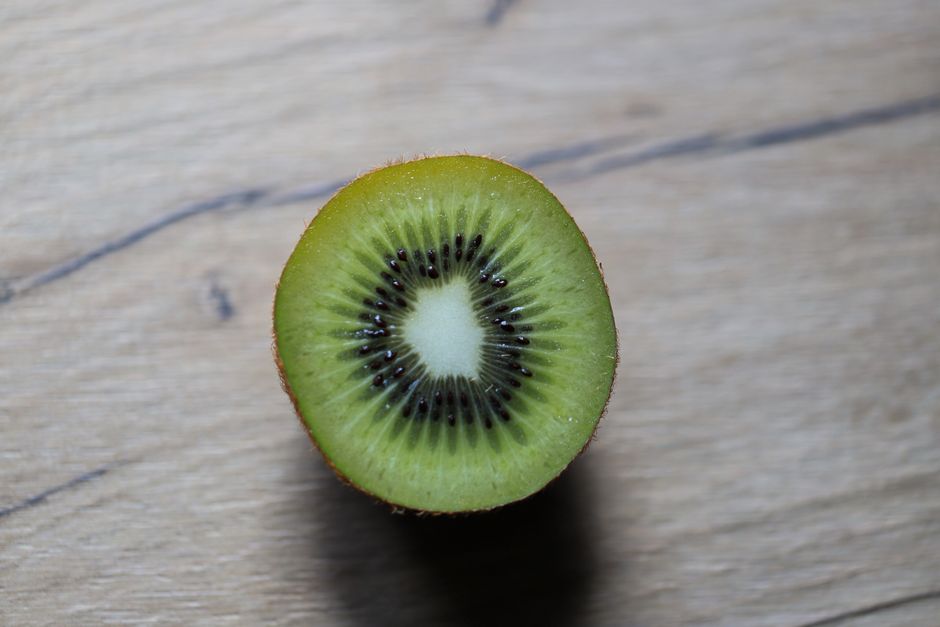
Yes, the skin of a kiwi is edible. In fact, it is entirely safe to eat and contains a significant amount of the fruit’s fiber and vitamin C. While the fuzzy brown texture takes some getting used to, many people eat the whole fruit after a simple wash. The peel is not toxic, and there is no medical reason to remove it before eating.
Is Kiwi Peel Edible and Safe to Eat?
Eating kiwi skin is completely safe for most people. The skin is not poisonous, and it does not contain any compounds that are harmful to humans. In many parts of the world, people eat kiwis whole, just like you would eat a peach or an apple.
The main barrier for most people is texture, not safety. The fuzzy exterior feels unusual in the mouth. However, the fuzz is harmless. It is simply the natural outer layer of the fruit that protects the flesh inside.
One group should be cautious: people with a known allergy to kiwi or to latex. Kiwi contains proteins that can trigger allergic reactions in sensitive individuals. If you have ever had itching, swelling, or tingling in your mouth after eating kiwi flesh, you should avoid the peel. The skin may contain higher concentrations of the proteins that cause these reactions.
What Nutrients Are in Kiwi Skin?
The skin of a kiwi is not just edible — it is nutrient-dense. The peel contains a large portion of the fruit’s total dietary fiber. When you remove the skin, you throw away a good amount of the fiber that helps with digestion and gut health.
Research consistently shows that the skin of a kiwi contains higher concentrations of certain antioxidants and vitamin C compared to the flesh alone. The exact amounts vary depending on the variety of kiwi and how it was grown, but the skin is never nutritionally empty.
Eating the whole fruit also increases your intake of polyphenols, which are plant compounds linked to reduced inflammation. These compounds are concentrated in the outer layer of many fruits, and kiwi is no exception.
If you are looking for a practical way to boost fiber intake without buying supplements, eating the kiwi skin is a simple change. One whole kiwi with skin provides noticeably more fiber than a peeled kiwi.
How to Clean Kiwi Skin Before Eating
Like any fruit eaten with the skin on, kiwi needs a proper wash. The skin can carry dirt, pesticide residue, and bacteria from handling and transport. Washing removes most of these risks.
Rinse the kiwi under cool running water. Rub the surface gently with your fingers or a soft brush. This removes the loose fuzz and any debris clinging to the skin. You do not need soap or produce washes — plain water is effective when combined with gentle friction.
After washing, dry the kiwi with a clean towel. You can eat it whole like a small apple, or slice it into rounds with the skin still attached. Slicing makes the texture easier to manage if you are new to eating the peel.
For people who want to reduce pesticide exposure further, buying organic kiwis is an option. However, the evidence on the health impact of trace pesticide residues on conventional produce is not conclusive. Washing thoroughly is the most practical step you can take regardless of whether the fruit is organic or conventionally grown.





Does the Skin Change the Taste?
The skin does not significantly change the flavor of the fruit. The dominant taste is still the sweet-tart flavor of the green flesh. The skin itself has a very mild, slightly earthy taste that most people do not notice once the fruit is in their mouth.
The texture is the real adjustment. The fuzz can feel dry or rough on the tongue and the roof of the mouth. Some people describe it as similar to eating a peach with very fine fuzz, but more noticeable.
If the texture bothers you, try a golden kiwi. The yellow-fleshed variety has a thinner, smoother skin than the green Hayward kiwi commonly found in grocery stores. Many people who dislike the fuzz on green kiwis find the golden variety much easier to eat whole.
Are There Any Downsides to Eating Kiwi Skin?
For most people, there are no downsides. The fruit is safe, nutritious, and easy to prepare. However, there are a few situations where you should peel the kiwi instead.
If you have a history of oral allergy syndrome, you may react to kiwi skin. Oral allergy syndrome causes itching or swelling in the mouth after eating certain raw fruits and vegetables. People with birch pollen allergies are sometimes affected by kiwi. If you have experienced any mouth irritation from raw fruits, start with a small piece of peeled kiwi first, and avoid the skin if you react.
People with sensitive stomachs or irritable bowel syndrome may also find the skin harder to digest. The high fiber content is generally beneficial, but a sudden increase in fiber can cause bloating or gas. If you are not used to eating high-fiber foods, introduce kiwi skin gradually rather than eating several whole kiwis at once.
There is also a practical consideration for parents. Whole kiwis with skin are a choking hazard for young children. For children under four years old, peel the kiwi and cut the flesh into small pieces. The skin is safe for children to eat, but the round shape of a whole fruit is not safe for small airways.
How Many Kiwis Can You Eat in a Day?
There is no strict limit on how many kiwis you can eat in a day. For most healthy adults, eating one to three whole kiwis daily is reasonable and well within normal dietary patterns.
Kiwis are naturally high in vitamin C. One medium kiwi provides a significant portion of the recommended daily intake for an adult. Eating several kiwis will not cause vitamin C toxicity because the body excretes excess water-soluble vitamins through urine.
The main practical limit is digestive comfort. Because the skin adds fiber, eating many whole kiwis at once could cause gastrointestinal discomfort. Listen to your body. If you feel bloated or gassy after eating whole kiwis, reduce the number you eat or peel them.
What Is the Best Way to Eat a Whole Kiwi?
There is no single correct method. The best way is the one that you will actually repeat.
Some people bite into a washed kiwi like an apple. Others prefer to slice it into rounds, which makes the fuzz less noticeable because each piece has a smaller surface area of skin relative to flesh.
You can also add whole sliced kiwi to smoothies. Blending breaks down the fuzz completely, and you get the nutritional benefits of the skin without the texture. This is a practical option for people who want the fiber and antioxidants but cannot tolerate the mouthfeel.
If you are making a fruit salad, leave the skin on and slice the kiwi into wedges. The green and brown contrast looks appealing, and it saves preparation time.
Does Cooking Affect the Skin?
Most people eat kiwi raw, but cooking is possible. Heating kiwi changes its texture and reduces the vitamin C content, since vitamin C is sensitive to heat. The skin becomes softer when cooked, which some people prefer.
Baking or grilling kiwi with the skin on is not common, but it is not harmful. The skin remains safe to eat after cooking. If you are adding kiwi to a baked dish or a compote, you can leave the skin on without any safety concern.
One note: kiwi contains an enzyme called actinidin that can break down proteins. This enzyme is active in raw kiwi and can prevent gelatin from setting if you use raw kiwi in a gelatin dessert. Cooking the kiwi deactivates this enzyme. This is a practical cooking tip, not a health concern.
Is Kiwi Skin Safe for Everyone?
No food is safe for every single person, and kiwi skin is no exception. The two main groups who should avoid it are people with kiwi allergies and people with latex allergies.
Kiwi allergy is not rare. Symptoms range from mild oral itching to severe reactions in rare cases. If you have never eaten a kiwi before, start with a small piece of peeled flesh. If you tolerate that well, you can try the skin in a small amount.
Pregnant women can eat kiwi with the skin on. There is no evidence that kiwi skin poses any risk during pregnancy. The same washing guidelines apply — clean the fruit thoroughly before eating.
People taking blood-thinning medications should be aware that kiwi contains vitamin K, which plays a role in blood clotting. However, the amount in a few kiwis is unlikely to cause a clinically significant interaction. If you are on warfarin or another blood thinner, keep your intake of vitamin K-rich foods consistent and discuss your diet with your doctor.
Frequently Asked Questions
Can you eat kiwi skin raw?
Yes, you can eat kiwi skin raw. Wash the fruit thoroughly first, then eat it whole or sliced with the skin attached.
Does kiwi skin have more vitamin C than the flesh?
Yes, the skin contains a higher concentration of vitamin C and fiber than the flesh alone. Eating the whole fruit gives you more of these nutrients.
Why does my mouth itch after eating kiwi?
Mouth itching after eating kiwi is a sign of oral allergy syndrome or a mild kiwi allergy. If this happens, avoid eating the skin and consult a doctor if symptoms persist or worsen.
Should you peel kiwi for babies?
Yes, peel kiwi for babies and young children. The skin is safe to eat, but the whole fruit is a choking hazard for children under four years old.
