
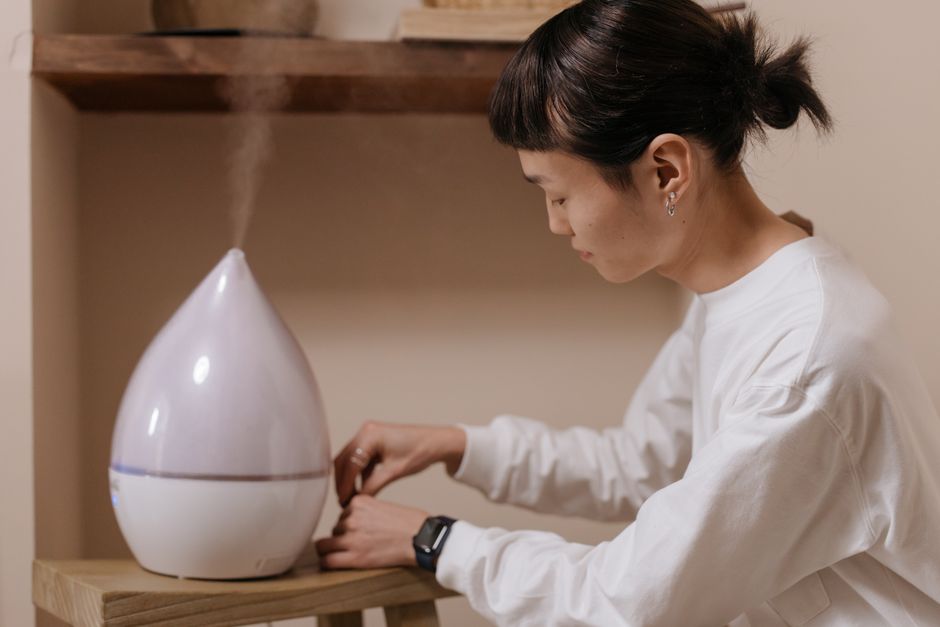
Excess moisture in a room is more than a comfort issue. It can lead to musty smells, peeling paint, and mold growth. The most effective natural way to remove moisture is to increase ventilation and airflow. Opening windows, using fans to move stagnant air, and addressing the source of the humidity are the first steps. For ongoing control, moisture-absorbing materials like rock salt or silica gel can help in smaller spaces.
Why Does My Room Feel Damp?
Indoor humidity comes from everyday activities. Cooking, showering, and even breathing release water vapor into the air. Drying clothes indoors adds a significant amount of moisture. A single load of wet laundry can release up to two liters of water into the air as it dries.
Structural issues also play a role. Poor insulation, leaky pipes, and cracks in the foundation allow outside moisture to seep in. In basements, this is especially common because the surrounding soil holds groundwater. If your room consistently feels damp regardless of the weather, a structural problem is likely the cause.
The ideal indoor relative humidity range is between 30% and 50%. Above 60%, mold growth becomes a real risk. A simple hygrometer, available at most hardware stores, measures this level. Knowing your baseline number helps you track whether your efforts are working.
How To Remove Moisture From A Room Naturally?
Ventilation is the fastest natural method. Open windows on opposite sides of the room to create cross-ventilation. This allows dry outside air to push humid inside air out. On rainy or very humid days, keep windows closed because you would be pulling more moisture in.
Use exhaust fans in kitchens and bathrooms. These fans vent directly outside and remove moisture at the source. Run the bathroom fan during a shower and for at least 20 minutes afterward. In the kitchen, use the range hood while cooking and boiling water.
Ceiling fans and portable fans do not remove moisture directly. They circulate air, which helps sweat evaporate from your skin and makes the room feel cooler. This circulation also prevents moisture from settling on walls and surfaces, reducing the chance of mold growth.
For rooms without windows, a dehumidifier is the most reliable option. It is not natural, but it is the most effective. If you want a non-electric approach, the methods below work more slowly but can make a difference in small, enclosed spaces.
Do Natural Moisture Absorbers Actually Work?
Rock salt and calcium chloride are common natural desiccants. They work because they are hygroscopic, meaning they attract and hold water molecules from the air. Placing a bucket or bowl of salt in a damp room will pull some moisture out of the air over time.
Rock salt is slow-acting. It works best in small rooms or closets where the moisture problem is mild. You will see the salt clump together as it absorbs water. Stir it occasionally to expose fresh surfaces.
Calcium chloride is more effective than regular salt. It absorbs moisture faster and is often sold specifically as a dampness absorber. You can find it in hardware stores in the paint or plumbing section. Place it in a container with holes in the lid, and check it regularly to empty the collected water.
Silica gel packets work the same way. They are the small packets found in shoe boxes and electronics packaging. They are only useful for very small spaces like drawers or storage boxes. You can dry them out in an oven and reuse them, but the process is time-consuming for large rooms.
Charcoal is another option. Activated charcoal absorbs moisture and odors. It is not as effective as calcium chloride, but it is non-toxic and safe around pets and children. Place it in a breathable container and replace it every few months.
These absorbers have limits. None of them can handle severe dampness or ongoing water intrusion. If you have a flooded basement or a persistent leak, no amount of salt will fix it. You must address the source of the water first.





Which Houseplants Help Reduce Humidity?
Some houseplants absorb moisture through their leaves and roots. Boston ferns, peace lilies, and English ivy are commonly recommended for humid rooms. They take up water through their roots and release it into the air through transpiration.
Here is the important detail: this effect is small. A plant can absorb a small amount of water, but it will not dehumidify a room in any meaningful way. Research has not shown that houseplants can significantly lower indoor humidity levels in real-world conditions.
Plants can actually add moisture to the air. When you water them, the water evaporates from the soil. If you overwater, you are adding humidity, not removing it. The net effect of a few houseplants on room humidity is close to zero.
Use plants for their aesthetic value, not as a moisture control strategy. If you want them in a damp room, choose moisture-loving varieties like ferns. But do not expect them to replace a dehumidifier or proper ventilation.
How To Prevent Moisture From Building Up
Prevention is more effective than removal. Fix leaks immediately. A dripping pipe or a cracked roof tile adds moisture continuously. Check under sinks, around windows, and in the attic for signs of water damage.
Dry clothes outdoors whenever possible. If you must dry them inside, place them near an open window or use a drying rack in a well-ventilated room. Avoid drying clothes in closets or other enclosed spaces.
Cover pots while cooking. This traps steam and prevents it from entering the air. Use lids on boiling pots and simmer pans covered. In the bathroom, keep the door closed during showers and open the window afterward.
Remove carpets from basements and bathrooms if they frequently feel damp. Carpets trap moisture and are difficult to dry completely. Hard flooring like tile or concrete is easier to keep dry and clean.
Check your gutters and downspouts. If they are clogged, rainwater can pool near your foundation and seep into the basement. Ensure downspouts direct water at least a few feet away from the house.
When Is It Time To Call A Professional?
If you have tried ventilation and moisture absorbers and the problem persists, see a professional. Persistent dampness can indicate a serious issue like a hidden leak, poor drainage, or inadequate insulation.
Mold is a clear sign to act. If you see black or green spots on walls, ceilings, or baseboards, do not ignore them. Mold can trigger allergies and respiratory problems. A professional can identify the type of mold and the source of the moisture feeding it.
Efflorescence is another warning sign. This white, chalky powder on basement walls indicates that water is moving through the concrete. It means moisture is actively penetrating your foundation.
A contractor or mold remediation specialist can perform a moisture audit. They use specialized tools to measure moisture levels in walls and floors. They can pinpoint the source of the water and recommend the right fix, such as waterproofing, drainage improvements, or foundation repairs.
Condensation on windows is common in winter, but persistent condensation on interior walls is not normal. It suggests the wall is cold because of poor insulation, and moisture is condensing on it. This can lead to hidden mold growth inside the wall cavity.
Frequently Asked Questions
Does baking soda absorb moisture from the air?
Yes, baking soda is hygroscopic and will absorb some moisture. It works slowly and is best for small spaces like closets or drawers rather than entire rooms.
How long does it take for rock salt to dehumidify a room?
Rock salt works gradually, and visible results can take several days to a week. It is only practical for small rooms with mild humidity problems.
Can a fan reduce humidity in a room?
A fan circulates air but does not remove moisture. It helps by speeding up evaporation and preventing moisture from settling on surfaces, but it cannot lower the actual humidity level.
Is it safe to run a dehumidifier all the time?
It is safe to run a dehumidifier continuously, but it is not always necessary. Set it to maintain a humidity level between 30% and 50%, and it will cycle on and off automatically.
