
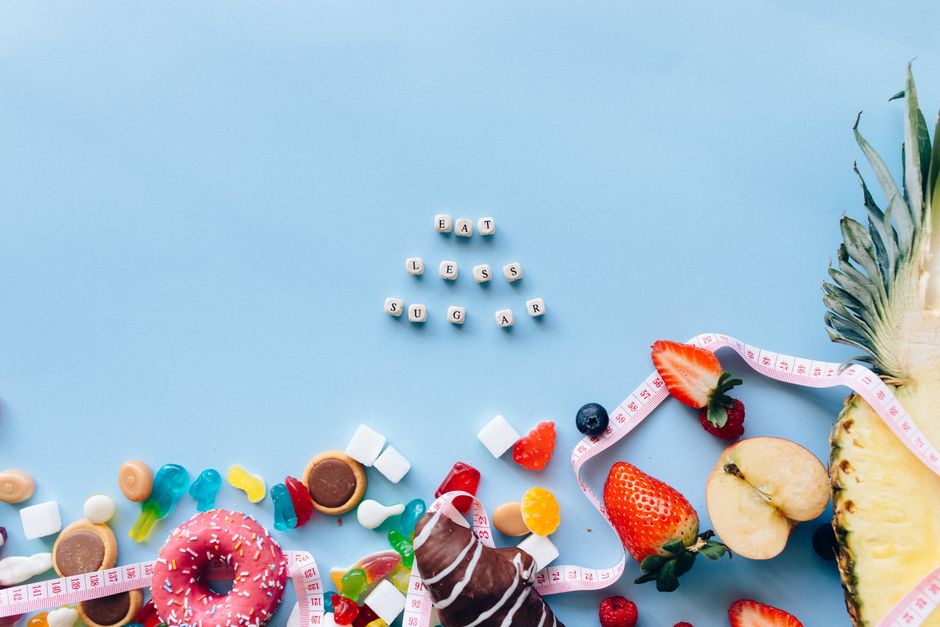
If you follow a halal diet, checking food labels often means looking for gelatin, alcohol, and other common haram ingredients. Sugar alcohols are different. Most sugar alcohols are halal because they are made from plant carbohydrates, not from ethanol or animal sources. The halal status depends on the specific type and how it was processed, but the common ones you see in sugar-free gum and protein bars are generally considered permissible.
What Are Sugar Alcohols and How Are They Made?
Sugar alcohols are a type of carbohydrate that your body does not fully absorb. Chemically, they look like a cross between a sugar molecule and an alcohol molecule. That is where the name comes from. It has nothing to do with ethanol, the kind of alcohol that makes you drunk.
Most commercial sugar alcohols are made from plant sources. Xylitol often comes from birch wood or corn cobs. Erythritol is typically made by fermenting glucose from corn or wheat. Sorbitol and maltitol start from corn syrup. Because the starting materials are plants and the processing uses fermentation or hydrogenation, the final product is not an intoxicating substance.
This is the key point for halal certification. Islamic dietary law prohibits khamr, which is intoxicating alcohol. Sugar alcohols are not khamr. They do not intoxicate, and they are not derived from grapes, dates, or other sources traditionally used to make wine.
Is Sugar Alcohol Halal According to Islamic Scholars?
Mainstream Islamic scholars and halal certification bodies treat sugar alcohols as halal. The primary reason is that they are synthetic or semi-synthetic compounds produced from permissible raw materials. The chemical process transforms the source into a completely different substance.
There are some conditions to check. If the sugar alcohol is mixed with a haram carrier, a gelatin capsule, or a coating that contains animal-derived stearates from non-halal sources, the final product could be problematic. That is a product-level issue, not a sugar alcohol issue.
Some scholars apply a precautionary principle to food additives when the source is unknown. That is why you will see halal-certified products list erythritol or xylitol, but non-certified products may simply say “sugar alcohol” without specifying the source. When the source is plant-based, which it almost always is, the ingredient is halal.
Which Sugar Alcohols Are Halal and Which Are Questionable?
The most common sugar alcohols are all considered halal when produced from plant sources. These include:
- Erythritol — made by fermenting glucose from corn or wheat
- Xylitol — extracted from birch wood or corn cobs
- Sorbitol — derived from corn syrup
- Maltitol — made from maltose in corn syrup
- Mannitol — extracted from seaweed or produced from fructose
- Isomalt — made from sucrose from sugar beets
- Lactitol — derived from lactose, which comes from milk
Lactitol deserves a special note. It is made from lactose, which is a dairy sugar. If you are lactose intolerant, lactitol may cause digestive issues. For halal purposes, milk and lactose are permissible, so lactitol is halal unless the milk source is from an animal not slaughtered according to Islamic rites. In practice, commercial lactose comes from dairy processing plants that handle milk from various farms, and most halal authorities accept this as permissible because the transformation is complete.
The only sugar alcohol that causes real debate is glycerol, also called glycerin. Glycerin can be plant-based, synthetic, or animal-derived. When it comes from animals, it may not be halal unless the animal was slaughtered properly. Many halal certifiers require glycerin to be labeled as vegetable glycerin or synthetic glycerin to be considered halal. If the label just says “glycerin,” you may need to contact the manufacturer.




Why Do Halal Certification Bodies Approve Sugar Alcohols?
Halal certification bodies like IFANCA, MUI, and the Halal Food Standards Alliance of America evaluate ingredients based on three questions. Is the source permissible? Is the processing free from haram contamination? Does the final product have any intoxicating effect?
Sugar alcohols pass all three tests in their standard form. The source is plant-based. The processing uses enzymes and hydrogenation, which are chemically transformative. The final product does not intoxicate. This is why you will find halal-certified chewing gum, sugar-free chocolate, and protein bars that contain xylitol or maltitol.
One clarification matters here. Some people confuse sugar alcohols with sugar itself. Sugar is halal. Sugar alcohols are halal. The “alcohol” part of the name is a chemistry term, not a religious term. Islamic law cares about the effect of a substance, not its chemical classification. Since sugar alcohols do not produce intoxication, they do not fall under the prohibition of alcohol.
Are There Any Haram Sugar Alcohols?
No sugar alcohol is inherently haram. The issue is always about the source and the processing aids. If a manufacturer uses a processing aid that is haram, like an animal-derived enzyme from a non-halal source, the final product may be questionable. This is rare but possible.
Another edge case involves sugar alcohols that are coated or encapsulated. Some supplement manufacturers use gelatin capsules to deliver sugar alcohols. Gelatin is often derived from pork or non-halal beef. If the capsule is gelatin, the product is not halal regardless of the sugar alcohol inside. Look for halal-certified capsules or vegetarian capsules.
Some sugar alcohols are produced using genetically modified organisms. GMO status is not a halal issue in most Islamic jurisprudence. The GMO debate is about health and environmental concerns, not religious permissibility. A GMO-derived sugar alcohol is still halal unless it contains a gene from a haram animal, which is not the case for any commercial sugar alcohol.
How to Verify Sugar Alcohols Are Halal in Your Food
Reading labels is the first step, but labels do not always tell you the source. Here is what to look for.
If the product says “halal certified,” you can trust it. The certification body has audited the supply chain. If the product is not certified, look for specific sugar alcohol names. Erythritol, xylitol, sorbitol, maltitol, mannitol, and isomalt are almost always plant-derived. Glycerin is the only one that requires extra checking.
When glycerin appears on a label without a qualifier, call the manufacturer. Ask whether it is vegetable glycerin, synthetic glycerin, or animal glycerin. If it is animal glycerin, ask what animal and how it was slaughtered. Most companies will not know the slaughter method, which means the glycerin is likely from a mixed-source supply chain. In that case, the conservative position is to avoid the product unless it is halal certified.
For Muslims who follow a strict interpretation, the safest approach is to buy halal-certified products for anything that contains sugar alcohols. For products without certification, the common sugar alcohols are generally accepted as halal based on their plant origin.
Frequently Asked Questions
Is xylitol halal?
Yes, xylitol is halal because it is extracted from birch wood or corn cobs, both of which are permissible plant sources.
Is erythritol halal?
Yes, erythritol is halal because it is produced by fermenting glucose from corn or wheat, and the fermentation process does not create intoxicating alcohol.
Is glycerin in sugar-free products halal?
Glycerin is halal only if it comes from vegetable, synthetic, or halal animal sources. If the label does not specify, contact the manufacturer to confirm the source.
Can sugar alcohols cause a positive alcohol test?
No, sugar alcohols do not convert to ethanol in the body and will not cause a positive breath alcohol test.
