
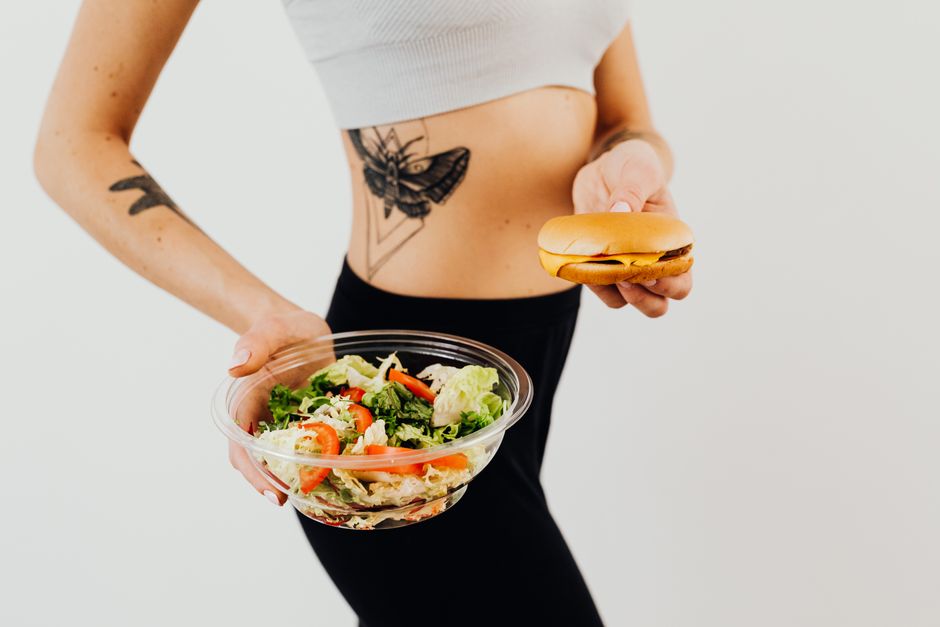
The idea that junk food is cheaper than healthy food is one of the most common excuses for poor eating habits. The short answer is that it depends entirely on how you measure the cost. If you compare a single dollar menu burger to a single serving of fresh salmon, the burger wins on price. But when you measure the cost per serving of actual nutrition, or the long-term healthcare costs associated with a poor diet, the math changes dramatically. The real issue is not just the sticker price at the checkout counter, but the value of the calories you are buying.
Is Junk Food Really Cheaper Than Healthy Food?
Yes, junk food is often cheaper by the calorie. Foods high in refined sugar, refined grains, and industrial seed oils are inexpensive to produce and have a long shelf life. A fast food meal can cost less than a bag of fresh vegetables, which makes it an attractive option for families on a tight budget.
However, this comparison is misleading. You are not just buying calories. You are buying nutrients, satiety, and long-term health. When you compare the cost per serving of nutrients like protein, fiber, vitamins, and minerals, healthy food often provides better value. A bag of dried beans costs very little and provides substantial protein and fiber across multiple meals. A head of cabbage costs about the same as a candy bar but feeds a family for days.
How the Price of Food Is Measured
Economists and nutrition researchers measure food cost in several ways. The most common methods are cost per calorie, cost per gram, and cost per serving. Each method tells a different story.
Cost per calorie tends to favor junk food. Calorie-dense foods like chips, cookies, and sugary drinks deliver a lot of energy for very little money. This is because the primary ingredients—corn, soy, wheat, and sugar—are heavily subsidized and processed at massive scale.
Cost per serving is a more practical measure for families. A serving of oatmeal costs less than a serving of a sugary breakfast cereal. A serving of canned tuna costs less than a serving of fast food fried chicken. When you look at the cost to feed a family of four a complete meal, home-cooked meals using whole ingredients are usually cheaper than fast food or highly processed convenience meals.
The Nutrient Density Argument
Healthy food is cheaper when you measure the cost per nutrient. Nutrient density refers to the amount of vitamins, minerals, protein, and fiber in a food relative to its calorie content. Leafy greens, cruciferous vegetables, legumes, and whole grains are packed with nutrients for a very low cost per serving.
Junk food is the opposite. It is calorie-dense but nutrient-poor. A dollar spent on a sugary drink provides empty calories that do nothing to meet your daily nutritional requirements. A dollar spent on frozen spinach provides iron, calcium, vitamin A, and fiber. The spinach is a better investment for your body, even if the drink costs less per calorie.
Some research suggests that eating a nutrient-dense diet costs more per day than eating a diet high in processed foods. However, this research often compares expensive healthy items like fresh berries and organic salmon to cheap junk food. When you compare affordable healthy staples like beans, lentils, oats, eggs, and seasonal vegetables, the price gap narrows considerably.


Time and Convenience Are Hidden Costs
The true cost of food includes time. Preparing whole foods takes longer than opening a package or waiting at a drive-through. For a parent working two jobs, the time cost is real. This is why convenience foods appear cheaper when you factor in the value of your time.
But convenience is not exclusive to junk food. Pre-cut vegetables, canned beans, frozen fruit, and rotisserie chickens are convenient and relatively healthy. Meal prepping on a Sunday can reduce the time cost during the week. A slow cooker can turn cheap cuts of meat and vegetables into a meal with minimal active cooking time.
It is also important to consider the cost of wasted food. Fresh produce spoils quickly, and throwing away wilted lettuce is like throwing away money. Buying frozen vegetables eliminates this waste. Frozen vegetables are picked at peak ripeness, are nutritionally comparable to fresh, and cost less per serving in many cases.
The Long-Term Health Costs of a Junk Food Diet
The cheapest food at the register is often the most expensive food in the long run. Diets high in ultra-processed foods are consistently linked to higher rates of obesity, type 2 diabetes, cardiovascular disease, and certain cancers. These conditions come with significant healthcare costs, medication expenses, and lost wages.
Research consistently shows that poor diet is a leading risk factor for chronic disease. Treating these conditions costs far more than the money saved by buying cheap processed food. A single hospital stay for a heart attack or stroke can cost tens of thousands of dollars. The cost of managing type 2 diabetes over a lifetime includes medications, monitoring supplies, and doctor visits.
This is not to say that eating healthy guarantees you will never get sick. Genetics and other factors play a role. But the evidence is strong that a diet rich in whole foods reduces your risk of chronic disease. Reducing your risk is a financial benefit, not just a health benefit.
Why Junk Food Feels Cheaper
Junk food is engineered to be hyper-palatable. It combines sugar, salt, and fat in ratios that your brain finds highly rewarding. This makes it easy to overeat. A bag of chips is gone before you realize you have consumed 600 calories. This overeating makes junk food feel satisfying in the moment, but it does not provide lasting satiety.
Healthy food, particularly food high in protein and fiber, keeps you full longer. A bowl of oatmeal with fruit and nuts keeps most people satisfied for hours. A sugary donut leaves you hungry within an hour. When you factor in the snacks you eat because you are still hungry, the cheap donut becomes more expensive than the oatmeal.
This is a non-obvious point that changes the cost equation. The true cost of a meal is not just what you pay at the moment. It is what you pay for the rest of the day. If a cheap breakfast leads to expensive snacks and a large lunch, the cheap breakfast was not actually cheap.
Practical Strategies for Eating Healthy on a Budget
Eating healthy on a budget requires planning, but it is achievable. The following strategies are widely recommended by nutrition professionals and are supported by common sense.
- Buy in bulk. Dried beans, lentils, rice, oats, and frozen vegetables are much cheaper per serving when bought in large quantities.
- Cook at home. Cooking at home is almost always cheaper than eating out, and you control the ingredients.
- Use canned and frozen produce. These options are often cheaper than fresh and have a much longer shelf life. Choose canned goods with no added sugar or salt when possible.
- Plan your meals. A weekly meal plan reduces impulse buying and food waste.
- Buy store brands. Generic brands are often nutritionally identical to name brands at a fraction of the cost.
- Shop seasonally. Fruits and vegetables in season are cheaper and taste better than out-of-season imports.
These strategies do not require extreme couponing or spending hours in the kitchen. They require a shift in how you think about food. The goal is to get the most nutrition per dollar, not the most calories per dollar.
What the Evidence Actually Shows
The evidence on food cost is nuanced. Some studies have found that the healthiest diets cost more per day than the least healthy diets. However, the cost gap is much smaller than most people believe, and it can be minimized by choosing affordable healthy staples.
A systematic review of food cost studies found that healthier diets cost roughly one and a half times more than less healthy diets. But this review included expensive healthy foods like fresh fish and exotic fruits. When the analysis is limited to affordable staples like beans, eggs, and seasonal vegetables, the cost difference nearly disappears.
The evidence is clear that cost is a real barrier for some families. It is not helpful to pretend that healthy food is always cheap. But it is equally unhelpful to claim that healthy food is unaffordable for everyone. The truth is that a healthy diet is possible on a modest budget with planning and basic cooking skills.
Frequently Asked Questions
Is it actually cheaper to eat junk food?
Junk food is cheaper per calorie, but not necessarily cheaper per serving or per nutrient. When you compare the cost of feeding yourself a complete meal, home-cooked whole foods are often less expensive.
What is the cheapest healthy food to buy?
Dried beans, lentils, rice, oats, eggs, cabbage, carrots, and frozen vegetables are among the cheapest healthy foods per serving. These staples provide substantial protein, fiber, and micronutrients for very little money.
Does eating healthy cost more per day?
Some research suggests a nutrient-dense diet costs more per day than a processed food diet, but the gap shrinks significantly when you choose affordable staples. Planning meals and cooking at home reduce the cost further.
Why is junk food so much cheaper than fresh food?
Junk food is made from heavily subsidized commodities like corn, soy, and sugar that are processed at massive scale. Fresh produce has higher labor and transportation costs and spoils quickly, which raises its price relative to shelf-stable processed foods.
