
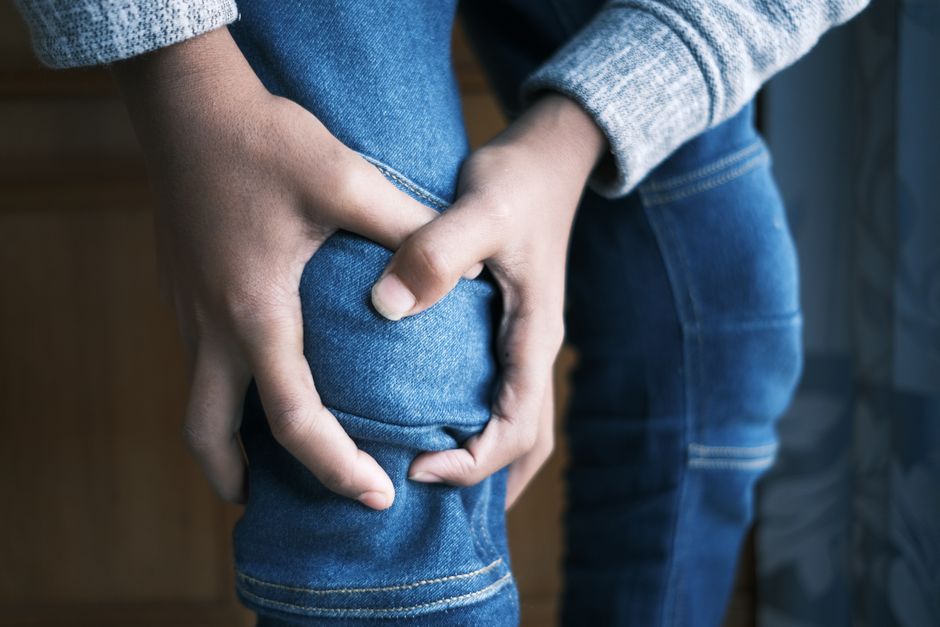
Yes, joint pain can be a symptom of perimenopause. The drop in estrogen that happens during this transition affects joints, tendons, and ligaments, and many women report stiffness and soreness for the first time in their late 40s or early 50s. It is not a sign that something is wrong with your joints themselves, but rather a shift in how your body responds to inflammation and fluid retention.
Why Does Perimenopause Cause Joint Pain?
Estrogen does more than regulate the menstrual cycle. It also helps keep joints lubricated and supports the tissues that cushion your bones. When estrogen levels fluctuate and then decline, the synovial fluid that keeps joints moving smoothly can thin out. The result is a feeling of creakiness or grinding that was not there a few years earlier.
Estrogen also influences collagen production. Collagen is the main protein in cartilage, tendons, and ligaments. Lower estrogen means less collagen repair, which can make joints feel less stable and more tender. This is not arthritis, though arthritis can develop separately at the same time.
The pain is often symmetric. That means both knees hurt, or both shoulders ache, rather than one joint being the problem. This pattern is a clue that hormones are the driver, not an injury or a mechanical issue.
What Does Perimenopausal Joint Pain Feel Like?
Women describe it differently. Some report a deep ache in the knees or hips. Others feel stiffness in the hands and fingers, especially in the morning. The stiffness usually loosens up within 30 minutes of moving around, which is different from inflammatory arthritis where stiffness can last for hours.
Some women notice that their joints feel swollen, even though there is no visible redness or heat. This is fluid retention, not true inflammation. The swelling comes and goes, often tracking with where you are in your cycle during the earlier stages of perimenopause.
The pain can also migrate. One week it is the wrists, the next week it is the ankles. This wandering pattern is common with hormonal shifts and is rarely a sign of structural damage.
Is It Perimenopause or Something Else?
Joint pain is common enough in midlife that it deserves a closer look. Osteoarthritis becomes more frequent in the 50s, and conditions like rheumatoid arthritis or thyroid disease can also start around this age. You do not want to dismiss those.
See a doctor if the pain is severe, if a joint is hot and red, if you have a fever, or if the stiffness lasts more than an hour in the morning. Those signs point to inflammatory arthritis, not perimenopause alone.
Blood tests can help sort this out. A thyroid panel, inflammatory markers, and rheumatoid factor are standard checks. If those come back normal and the pain tracks with your other perimenopause symptoms, hormone changes are the likely cause.
One useful clue is timing. If joint pain started at the same time as hot flashes, night sweats, or irregular periods, the connection to perimenopause is stronger. If the pain came on after an injury or has been slowly worsening for years, that points more toward wear and tear.





How Long Does Perimenopausal Joint Pain Last?
For most women, the pain is not permanent. It tends to fluctuate during perimenopause, which can last anywhere from a few years to a decade. The worst periods often coincide with the most dramatic hormone swings.
Once you reach menopause — defined as 12 months without a period — estrogen levels settle at a low, steady state. Many women find their joint pain improves at this point, though some continue to have symptoms. The research on exactly how long it lasts is limited, and individual experiences vary widely.
The key point is that this is a transitional symptom. It is not a progressive disease that will inevitably worsen. Knowing that can reduce the anxiety that often makes pain feel worse.
What Actually Helps Perimenopausal Joint Pain?
There is no single treatment that works for everyone, but several approaches have solid evidence behind them.
Strength training is the most consistently supported intervention. Building muscle around the joints reduces the load on cartilage and improves stability. You do not need heavy weights. Bodyweight exercises, resistance bands, or light dumbbells done two to three times per week are enough to make a difference.
Regular movement matters more than intensity. Walking, swimming, or cycling keeps synovial fluid moving and prevents the morning stiffness from settling in. The goal is daily movement, not occasional intense workouts.
Heat therapy helps with stiffness. A warm shower in the morning or a heating pad on a sore knee can increase blood flow and relax tight muscles. Cold packs are better for acute pain or swelling, but most perimenopausal joint pain responds better to heat.
Weight management is worth addressing if you are carrying extra pounds. Every pound of body weight adds roughly four pounds of pressure to the knees. Losing even 5-10% of body weight can noticeably reduce joint pain, according to research on osteoarthritis, and the same logic applies here.
Do Supplements Help?
The supplement market for joint pain is large, but the evidence is mostly weak. This is an area where marketing runs far ahead of science.
Glucosamine and chondroitin are the most studied. Large trials have shown little to no benefit over placebo for most people. Some individuals report improvement, but there is no way to predict who will respond.
Omega-3 fatty acids from fish oil have anti-inflammatory properties. Some studies suggest they help with joint pain, but the effect is modest and takes weeks to appear. If you try it, give it at least 8-12 weeks before judging the results.
Vitamin D is worth checking with a blood test. Deficiency is common and is associated with bone and joint discomfort. If your levels are low, correcting them is reasonable. If your levels are normal, taking more will not help.
Collagen supplements are popular, but the evidence is mixed and mostly industry-funded. Some small studies show benefit, others show none. No major clinical guideline currently recommends collagen for joint pain.
The honest bottom line: no supplement has been proven to reverse perimenopausal joint pain. If you want to try one, choose a single product, give it a fair trial of three months, and stop it if you see no change.
Does Hormone Therapy Help Joint Pain?
Hormone therapy (HT) is the most direct approach to addressing estrogen-related joint pain. Many women on HT report that their joints feel better within a few months of starting.
The research supports this. Studies have found that women taking hormone therapy have lower rates of joint replacement and report less joint pain compared to women who do not take it. The effect is not dramatic for everyone, but it is real.
Hormone therapy is not right for everyone. It carries risks, including a small increased risk of blood clots and breast cancer depending on the type, dose, and duration. The decision should be made with your doctor, weighing your personal risk factors and the severity of your symptoms.
If joint pain is your main complaint and it is affecting your quality of life, HT is a reasonable conversation to have. It is not the first-line treatment for joint pain alone, but it can be justified when combined with other perimenopause symptoms like hot flashes or sleep problems.
When Should You See a Doctor?
Do not assume every ache is perimenopause. Some joint pain needs medical evaluation, especially if it is new, severe, or getting worse.
See a doctor promptly if you have:
- Joint pain with swelling, redness, or warmth
- Stiffness that lasts more than an hour in the morning
- Pain that wakes you from sleep
- Fever, fatigue, or unintentional weight loss alongside joint pain
- Difficulty using a joint for daily tasks like dressing or walking
These signs can point to inflammatory arthritis, infection, or other conditions that need specific treatment. Perimenopause is a diagnosis of exclusion — it fits when other causes have been ruled out.
Frequently Asked Questions
Can perimenopause cause joint pain without other symptoms?
Yes, joint pain can be the first or only symptom of perimenopause for some women. However, most women also notice changes in their periods, sleep, or mood around the same time.
How long does perimenopause joint pain last?
It typically lasts as long as the perimenopausal transition, which is usually 4-8 years. Many women find relief once they reach menopause and hormone levels stabilize.
What is the best treatment for perimenopause joint pain?
Strength training and regular movement have the strongest evidence. Hormone therapy helps some women significantly, but it requires a discussion with your doctor about risks and benefits.
Is perimenopause joint pain the same as arthritis?
No. Perimenopause joint pain comes from hormone-related changes in lubrication and collagen, while arthritis involves structural damage to cartilage. They can coexist, but they are separate conditions.
