
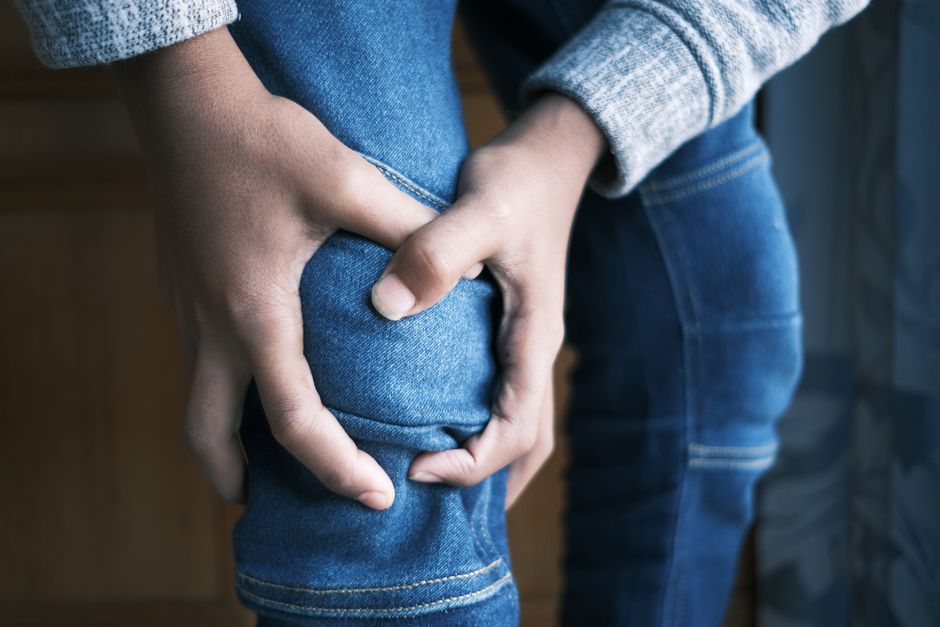
Yes, stress can cause muscle and joint pain. When you are stressed, your body releases hormones that keep your muscles tense and inflamed. Over time, this constant tension leads to aches, stiffness, and pain in your neck, back, shoulders, and joints. The pain is real — it is not just “in your head” — but understanding the connection is the first step to feeling better.
How Does Stress Physically Cause Muscle Pain?
Stress triggers your body’s fight-or-flight response. This is an ancient survival system designed to help you react to danger. When it activates, your brain signals your adrenal glands to release hormones like cortisol and adrenaline.
These hormones prepare your body for action. Your heart beats faster. Your breathing quickens. And your muscles tense up, ready to run or fight.
Under normal conditions, the tension passes once the danger is gone. But chronic stress keeps the switch turned on. Your muscles stay partially contracted for hours or days at a time. That constant low-level contraction reduces blood flow to the muscle tissue, which leads to fatigue, soreness, and pain.
The neck, shoulders, and lower back are the most common areas affected. These muscle groups carry the brunt of physical tension. Over time, the persistent tightness can create trigger points — small, tender knots that hurt when pressed and can refer pain to other areas.
Can Stress Really Cause Joint Pain?
Yes, but the pathway is different from muscle pain. Stress does not directly damage your joints. Instead, it influences how your body handles inflammation.
When you are under chronic stress, your cortisol levels stay elevated. Cortisol is a natural anti-inflammatory hormone. However, when it remains high for too long, your cells can become less sensitive to it. This is called cortisol resistance.
When your body stops responding to cortisol effectively, inflammation is not kept in check as well. For people with existing joint conditions like osteoarthritis or rheumatoid arthritis, this can mean more swelling and more pain.
Stress also changes how you perceive pain. The same pain signal from a joint can feel more intense when you are stressed. Your brain amplifies the sensation, making existing joint pain feel worse than it would otherwise.
What Does the Research Say About Stress and Pain?
Research consistently shows a strong link between psychological stress and musculoskeletal pain. Studies have found that people with high stress levels report more frequent and more severe pain in their muscles and joints.
Long-term studies on workplace stress have found that employees who report high psychological demands are more likely to develop back and neck pain. The connection holds even after accounting for physical workload.
Some research also suggests that stress can slow down recovery from injury. When your body is in a prolonged stress state, healing processes are less efficient. Muscle tissue repairs more slowly, and inflammation lingers longer.
One important note: the research clearly shows a link, but it does not prove that stress alone causes joint damage. For someone with healthy joints, stress-related pain is usually muscular. The joint pain comes from referred muscle tension or from increased sensitivity to normal joint sensations.





Stress and Pain: A Two-Way Street
Here is where it gets tricky. Pain causes stress, and stress causes pain. This creates a cycle that can be hard to break.
When you are in pain, your body treats it as a threat. The stress response activates. You may worry about the pain, lose sleep, and feel anxious about your health. All of this keeps your stress hormones elevated, which keeps your muscles tense, which makes the pain worse.
Sleep plays a big role here. Stress often disrupts sleep, and poor sleep is strongly linked to increased pain sensitivity. One bad night of sleep can make you more sensitive to pain the next day. Chronic poor sleep can make even minor aches feel significant.
Breaking this cycle usually requires addressing both sides. Treating the pain alone may not resolve the stress. Managing the stress alone may not resolve an underlying injury. Both need attention.
How to Tell If Stress Is Causing Your Pain
Stress-related pain has some common patterns. It often comes on gradually rather than after a specific injury. It may move around — your neck hurts one week, your lower back the next. It often worsens during busy or emotionally difficult periods.
You may also notice other stress symptoms alongside the pain. These can include headaches, jaw clenching, fatigue, irritability, or trouble sleeping. If you have pain without a clear physical cause and you notice these accompanying signs, stress is likely a contributing factor.
However, do not assume stress is the only cause. Joint pain can also come from arthritis, injury, or other medical conditions. Muscle pain can come from poor posture, overuse, or nutritional deficiencies.
If your pain is severe, persistent, or accompanied by swelling, redness, fever, or unexplained weight loss, see a doctor. These signs may indicate a condition that needs medical treatment.
What Actually Helps Stress-Related Muscle and Joint Pain?
Because the pain has both physical and psychological components, the most effective approach addresses both.
Movement helps. Gentle exercise like walking, swimming, or stretching keeps muscles from stiffening. Movement also triggers the release of endorphins, your body’s natural pain relievers. Start slow and be consistent rather than intense and sporadic.
Progressive muscle relaxation is a technique that directly targets stress-related tension. You systematically tense and then relax each muscle group, starting from your feet and moving upward. Many people find this reduces both tension and pain within a few weeks of regular practice.
Heat therapy can provide short-term relief. A warm bath, heating pad, or warm compress helps relax tense muscles and increases blood flow to sore areas. Use heat for 15-20 minutes at a time.
Sleep matters enormously. Your muscles repair themselves during deep sleep. If stress is keeping you up, address your sleep habits. Keep a regular schedule, avoid screens before bed, and keep your bedroom cool and dark.
Mindfulness and breathing exercises have some research support for pain management. They do not eliminate pain, but they can reduce the distress associated with it. Even a few minutes of slow, deep breathing can lower your heart rate and signal your body to relax.
When to Seek Professional Help
You do not need to manage this alone. Physical therapists can teach you specific exercises to address muscle imbalances and tension patterns. They can also use manual therapy techniques to release tight muscles.
Cognitive behavioral therapy, or CBT, has strong evidence for helping people cope with chronic pain. It teaches you to identify thought patterns that amplify pain and replace them with more helpful ones. This does not mean the pain is imaginary — it means your brain’s response to pain can be trained.
If over-the-counter pain relievers like ibuprofen or acetaminophen help, you can use them short-term. But they should not be a long-term solution. Regular use of pain medication can have side effects and may mask an underlying problem.
If stress is significantly affecting your daily life, consider talking to your primary care doctor. They can screen for anxiety and depression, which are common alongside chronic pain. Treating these conditions can directly improve your pain.
Frequently Asked Questions
Can stress cause joint pain without arthritis?
Yes, stress can cause joint pain even without arthritis. Stress keeps muscles tense and increases pain sensitivity, which can make joints ache even when there is no structural damage.
How long does stress-related muscle pain last?
It can last as long as the stress continues. Once stress levels drop and you begin relaxing the affected muscles, pain typically improves within days to a few weeks.
Does anxiety cause muscle and joint pain?
Yes, anxiety activates the same stress response as stress, causing prolonged muscle tension and increased pain perception. Many people with anxiety report chronic muscle aches, particularly in the neck, shoulders, and jaw.
What is the fastest way to relieve stress-related muscle pain?
Applying heat to the painful area and doing gentle stretching are the fastest short-term options. Deep breathing for a few minutes can also help lower stress hormones and reduce muscle tension.
