
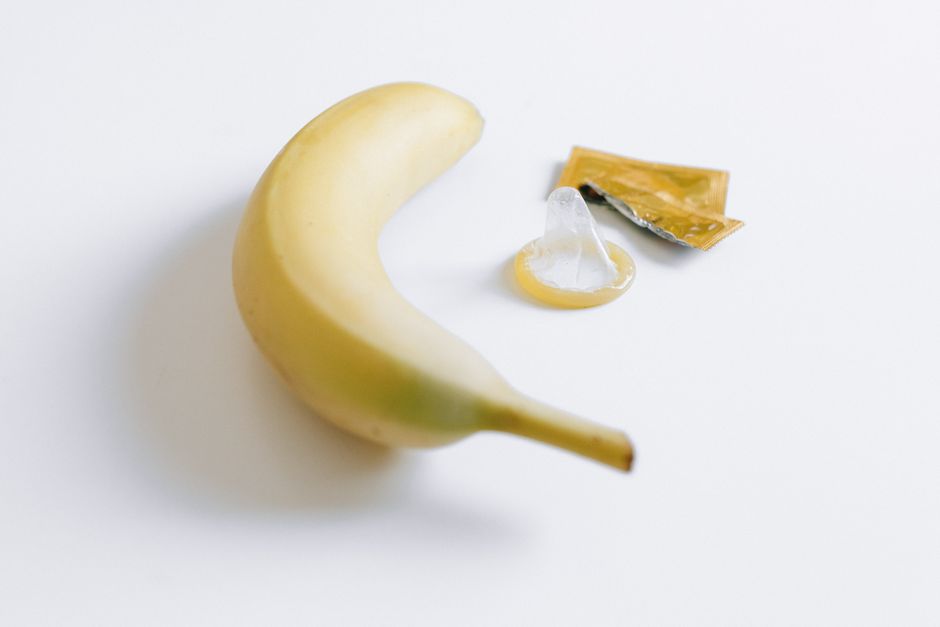
Swallowing semen is generally safe for most people, but it does carry some real risks worth knowing about. The body can digest semen just fine, and it is not toxic or harmful in itself. However, sexually transmitted infections (STIs) can be passed through oral contact, and some people have allergic reactions to proteins in semen. Understanding the actual risks and the science behind them helps you make an informed decision based on facts, not fear or hype.
What Is Semen Made Of and How Does the Body Handle It?
Semen is mostly water — about 90 percent. The rest is a mix of proteins, amino acids, sugars like fructose, vitamin C, zinc, calcium, and other trace minerals. The prostate and seminal vesicles produce most of the fluid, while sperm cells make up only a small fraction of the volume.
When swallowed, semen enters the digestive system just like food or drink. Stomach acid breaks down the proteins and other components. The small intestine absorbs any nutrients, though the amounts are too small to have any meaningful effect on your health. Your body processes it the same way it would process any other protein-rich fluid. There is no special absorption or unique metabolic pathway involved.
One thing people sometimes misunderstand is the calorie content. A typical ejaculation contains roughly 5 to 25 calories, depending on volume and composition. That is comparable to a small sip of juice. It is not a significant source of nutrition, but it is also not something your body struggles to handle.
What Are the Real Risks of Swallowing Semen?
The most significant risk is exposure to sexually transmitted infections. The CDC reports that oral sex can transmit chlamydia, gonorrhea, syphilis, herpes, HPV, and HIV. If your partner has an active infection in their genital tract, the pathogens are present in semen or pre-ejaculate fluid. Swallowing infected semen puts the mucous membranes in your throat and digestive tract in direct contact with those pathogens.
Some infections primarily affect the throat. Gonorrhea and chlamydia can cause pharyngitis — a sore throat with swollen lymph nodes. Herpes can cause painful sores in the mouth or on the lips. HPV can lead to oral warts and, in rare cases, cancers of the oropharynx. The risk is real, though transmission rates vary by infection and by whether barriers like condoms are used.
Another risk is allergic reaction. While rare, some people have an allergy to a protein in semen called prostate-specific antigen (PSA). Symptoms can include burning, swelling, hives, or difficulty breathing after contact. True anaphylaxis from semen allergy is extremely rare, but it has been documented in medical literature. If you experience throat tightness, wheezing, or swelling after swallowing semen, seek medical attention immediately.
There is also a theoretical risk of bacterial exposure from non-STI sources. Semen can carry bacteria from the urethra or prostate, even in people without an active STI. For someone with a healthy immune system, this is rarely a problem. But if you have a compromised immune system, chronic illness, or are on immunosuppressive medications, the risk of infection from oral exposure may be higher.
Does Swallowing Semen Have Any Health Benefits?
This is where a lot of online content goes off the rails. You will find claims that semen is a superfood, that it cures depression, that it improves skin, or that it boosts mood. None of these claims are supported by clinical evidence.
Research published in the Archives of Sexual Behavior and other journals has looked at correlations between oral sex and mood, but these are observational studies. They cannot prove cause and effect. The idea that semen contains mood-enhancing hormones like oxytocin or serotonin that survive digestion and enter the bloodstream is biologically implausible. Your stomach acid breaks down proteins and peptides before they can be absorbed intact. The amounts present are far too small to have a systemic effect anyway.
Some people report feeling closer to their partner after oral sex. That is a real psychological and relational benefit. But it is not a chemical effect of semen. It is the result of intimacy, trust, and shared experience. Those benefits are valid, but they should not be confused with a medical or nutritional effect.
As of 2026, there is no clinical evidence that swallowing semen provides any measurable health benefit beyond what you would get from a glass of water and a multivitamin — and even that comparison is generous. The nutrients in semen are present in such tiny amounts that they are nutritionally irrelevant.





What About the Risk of Pregnancy or HIV Transmission?
Swallowing semen cannot cause pregnancy. Pregnancy requires sperm to reach the female reproductive tract. The digestive system and the reproductive system are completely separate. Sperm cells are destroyed by stomach acid and digestive enzymes within minutes. There is no pathway from the stomach to the fallopian tubes. This is a settled biological fact.
HIV transmission through swallowing semen is possible but the risk is lower than with unprotected anal or vaginal sex. The virus can enter the body through mucous membranes in the mouth, throat, or esophagus. However, saliva contains enzymes that inhibit HIV, and the stomach environment is hostile to the virus. The CDC classifies the risk of HIV transmission through oral sex as low, but not zero. Factors that increase risk include open sores in the mouth, bleeding gums, gum disease, or recent dental work. If you have any of these, the risk goes up significantly.
The safest approach if you are concerned about HIV or other STIs is to use a condom during oral sex. Dental dams are another option for oral-vaginal or oral-anal contact. Regular STI testing for both partners is the most reliable way to know your actual risk.
Common Misconceptions About Swallowing Semen
The internet is full of claims that do not hold up to scrutiny. Here are a few of the most persistent myths and what the evidence actually says:
- Myth: Semen is a superfood with high nutritional value. Reality: The protein and mineral content is negligible. You would need to swallow dozens of ejaculates to equal the protein in one egg. It is not a meaningful source of nutrition.
- Myth: Swallowing semen improves skin or hair. Reality: There is no scientific evidence for this. The collagen and protein claims are marketing nonsense, not biology.
- Myth: Semen contains antidepressants that improve mood. Reality: The amounts of mood-related compounds like serotonin and oxytocin are far too small to have any effect after digestion. Any mood changes are psychological, not chemical.
- Myth: Swallowing semen is completely risk-free if your partner has no symptoms. Reality: Many STIs are asymptomatic. A person can have chlamydia, gonorrhea, or HPV without knowing it. Lack of symptoms does not mean lack of infection.
One non-obvious point worth clarifying: the taste and texture of semen can vary based on diet, hydration, and health. Some people report that pineapple or citrus changes the taste. There is some anecdotal evidence for this, but no controlled studies have confirmed it. What is well-established is that smoking, heavy alcohol use, and certain medications can make semen taste more bitter or metallic. If taste is a concern, these factors may be worth considering.
How to Reduce Risk If You Choose to Swallow Semen
If you decide that swallowing semen is something you want to do, there are practical steps to lower your risk. These are not guarantees, but they reduce the likelihood of problems.
Communication and testing. Talk to your partner about their STI status and recent testing history. Ask when they were last tested and for which infections. A negative test from three months ago does not cover recent exposures. Ideally, both partners should be tested before engaging in oral sex without barriers.
Use barriers. Condoms during oral sex dramatically reduce the risk of STI transmission. They also eliminate the risk of allergic reaction to semen. Flavored condoms are available and make the experience more pleasant for many people.
Check your own oral health. Avoid swallowing semen if you have bleeding gums, canker sores, mouth ulcers, or recent dental work. Any break in the oral mucosa increases the risk of infection. Wait until your mouth has healed.
Know the signs of an allergic reaction. If you have never swallowed semen before, start with a small amount and wait. Symptoms of an allergic reaction include itching, swelling, hives, difficulty breathing, or throat tightness. If any of these occur, rinse your mouth, avoid swallowing, and seek medical help if symptoms are severe.
Rinse after. Swishing water or mouthwash after swallowing may help reduce bacterial load in the mouth. It is not a substitute for STI prevention, but it is a sensible hygiene step.
Frequently Asked Questions
Can swallowing semen cause an allergic reaction?
Yes, though it is rare. Some people are allergic to a protein in semen called PSA, which can cause local or systemic reactions.
Does swallowing semen have any nutritional value?
No. The amounts of protein, zinc, and other nutrients are too small to have any meaningful effect on your diet or health.
Can you get an STI from swallowing semen?
Yes. Oral transmission of STIs like gonorrhea, chlamydia, herpes, and HIV is possible, especially if there are cuts or sores in the mouth.
Is it safe to swallow semen during pregnancy?
Yes, from a pregnancy perspective. Semen cannot reach the uterus through the digestive tract. STI risks still apply.
