
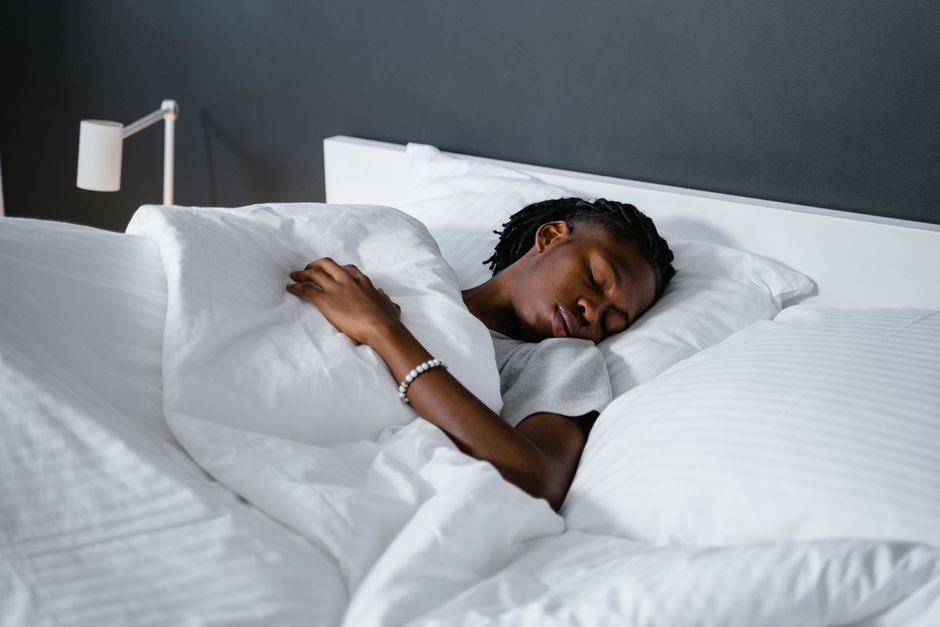
Sleeping with damp hair is not dangerous for most healthy people, but it is not ideal either. The main issue is not the water itself — it is what prolonged dampness does to the scalp and to the hair shaft. If you go to bed with soaking wet hair every night, you raise your risk of scalp irritation, breakage, and a musty smell. If it happens once in a while, you will almost certainly be fine.
The claim that wet hair causes a “cold” or a serious illness is a myth. Colds and flu are caused by viruses, not by wet hair or cold air. That said, there are real, well-documented reasons why damp hair and sleep are not a great combination.
What Actually Happens When You Sleep With Wet Hair?
Hair is weakest when it is wet. The outer layer of each strand, called the cuticle, lifts and swells when saturated with water. In that state, hair stretches more easily and breaks more easily.
When you sleep, you move. You roll over, press your head into the pillow, and drag your hair across fabric. Wet hair rubbing against a cotton pillowcase for hours is a recipe for friction damage. Over time, this can show up as split ends, roughness, and strands that snap instead of stretching.
The scalp is a separate story. A damp scalp stays warm and occluded against the pillow. That environment is more hospitable to the yeast that naturally lives on human skin. One type, Malassezia, is linked to dandruff and a form of scalp inflammation called seborrheic dermatitis. Leaving the scalp damp for long stretches does not create the yeast, but it can give it more favorable conditions.
There is also the simple matter of smell. Damp fabric and damp hair left overnight can develop a musty odor. It is not a sign of disease. It is just what happens when moisture sits in a warm, enclosed space.
Does Sleeping With Wet Hair Cause a Cold or Headache?
No. The idea that wet hair causes a cold is one of the most persistent health myths, and the evidence does not support it.
Colds are caused by viruses, most commonly rhinoviruses. You get sick from being exposed to those viruses, not from being cold or damp. Research has tested this directly. Studies where volunteers were chilled or exposed to cold conditions did not show a meaningful increase in infection rates compared with people kept warm.
Headaches are a bit more nuanced. Some people report headaches after cold exposure, and cold stimuli can trigger certain headache types in susceptible individuals. But there is no strong evidence that sleeping with damp hair causes headaches in the general population. If you personally notice a pattern, that is worth paying attention to, but it is not a universal rule.
What damp hair can do is make you feel cold and uncomfortable, which can disrupt sleep quality. That is a comfort issue, not a medical one.
Who Should Be More Careful About Sleeping With Damp Hair?
For most people, the risk is cosmetic and mild. For some groups, it is worth taking more seriously.
- People with dandruff or seborrheic dermatitis. A damp scalp can worsen existing flaking and itching. If you already manage a scalp condition, going to bed with a wet head is not helping.
- People with fragile or chemically treated hair. Bleached, relaxed, or color-treated hair is more prone to breakage. Wet friction during sleep adds stress to hair that is already compromised.
- People with a weakened immune system. A persistently damp scalp is a minor concern, but any skin breakdown or irritation deserves more attention in this group. Talk to a clinician if you notice redness, sores, or unusual scalp changes.
- People prone to fungal scalp infections. If you have had recurring scalp issues, keeping the scalp dry is a reasonable habit.
For everyone else, the honest position is this: it is not dangerous, but it is not doing your hair any favors.




Does Damp Hair Cause Hair Loss?
No. Sleeping with damp hair does not cause the kind of hair loss tied to genetics, hormones, or medical conditions. That type of loss — androgenetic alopecia, for example — happens at the follicle level and has nothing to do with moisture.
What damp hair can cause is breakage. This is different from hair loss. Breakage means the strand snaps along its length. Hair loss means the strand comes out at the root. Breakage from wet friction can make hair look thinner over time, but it does not change how many follicles you have or how they function.
If you are noticing more shedding than usual, the cause is more likely to be hormonal, nutritional, stress-related, or medical. A doctor can help sort that out. Blaming your pillowcase is probably the wrong direction.
How to Sleep With Damp Hair Without Causing Damage
Sometimes you have no choice. You shower at night, you are tired, and you are not going to stand there with a blow dryer. That is fine. A few adjustments reduce the risk.
- Towel-dry first. Gently squeeze water out with a soft towel. Do not rub aggressively. Rubbing causes the same friction damage you are trying to avoid.
- Use a silk or satin pillowcase. These materials create less friction than cotton. The difference is modest but real for people with fragile hair.
- Loosely braid or bun your hair. Keeping hair contained reduces tangling and the amount of surface area rubbing against the pillow. Keep it loose — a tight style pulls on the roots.
- Leave the scalp exposed if you can. The scalp is the part that stays damp longest. If your hair is long, the ends may air-dry faster than the roots.
- Consider a microfiber towel or hair wrap. These absorb water faster than cotton and can cut drying time significantly.
None of these steps are proven to eliminate all risk. They are practical measures based on what is known about hair mechanics and scalp moisture. They are reasonable, not miraculous.
Is It Worse to Sleep With Wet Hair or to Blow-Dry It?
This is a fair question, and the answer is not as clear-cut as people assume.
Blow-drying uses heat, and heat damages hair, especially at high settings held close to the strand. But blow-drying also removes moisture, which reduces the time hair spends in its weakest state. Some research suggests that drying hair with a blow dryer at a safe distance and moderate temperature may cause less surface damage than letting it air-dry, at least in certain hair types. The evidence is not strong enough to make a blanket recommendation.
What is clear is that high heat and rough handling are both bad. If you blow-dry, use a lower heat setting and keep the dryer moving. If you air-dry, do not sleep on soaking wet hair if you can avoid it.
The middle ground is probably best: towel-dry, let it air-dry as much as you reasonably can, and finish with a blow dryer on low heat if needed.
Does Wet Hair Make Scalp Conditions Worse?
It can, but the relationship is not simple. The scalp has its own ecosystem of oils, dead skin cells, and microorganisms. Moisture changes that environment.
For people with seborrheic dermatitis, the scalp is already inflamed and flaking. Leaving it damp for hours does not cause the condition, but it can aggravate it. The same goes for dandruff. If you are managing either of these, keeping the scalp dry is a sensible part of your routine.
For people without scalp conditions, occasional dampness is unlikely to cause a problem. The scalp is designed to handle some moisture. It is the prolonged, repeated exposure that matters.
If you notice persistent itching, flaking, redness, or sores on your scalp, see a doctor or dermatologist. Those symptoms have many possible causes, and self-treating based on a guess can delay proper care.
Frequently Asked Questions
Can sleeping with wet hair make you sick?
No. Colds and flu are caused by viruses, not by wet hair or cold temperatures. You get sick from exposure to those viruses, not from going to bed with a damp head.
Does wet hair cause hair loss?
No. Sleeping with damp hair does not cause hair loss at the root. It can cause breakage along the strand, which is different and does not affect how many hairs you have.
Is it bad to sleep with wet hair every night?
It is not dangerous, but doing it every night increases the chance of breakage and can irritate the scalp. If you must, towel-dry first and use a silk or satin pillowcase to reduce friction.
What is the best way to sleep with damp hair?
Towel-dry gently, loosely braid or bun your hair, and use a silk or satin pillowcase. Keep the scalp as dry as you reasonably can before lying down.
