
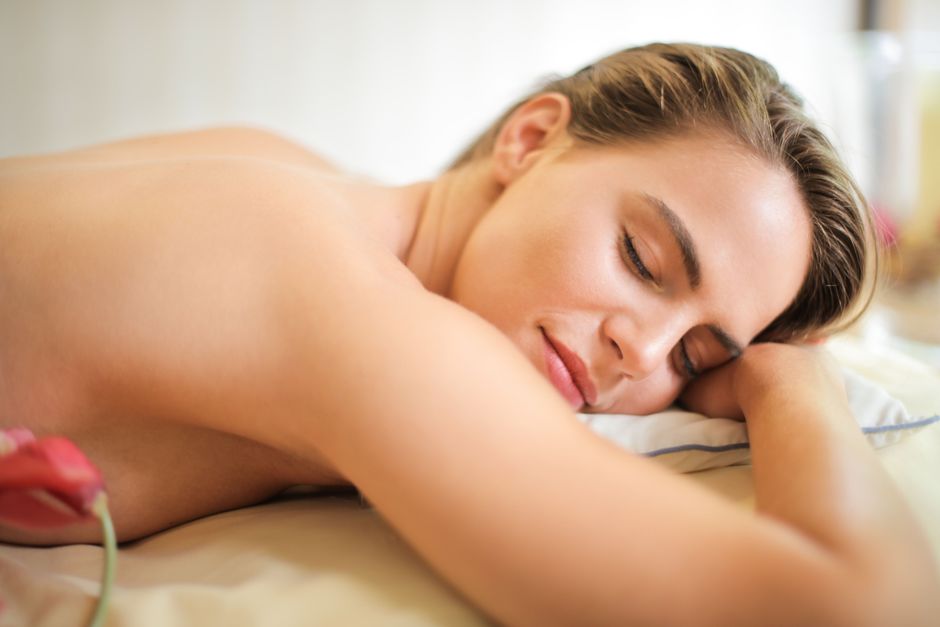
Sleep is when your body repairs tissue, regulates hormones, and controls inflammation. When you don’t get enough, those processes don’t run properly — and your skin and face show it. Dark circles, puffiness, dull tone, and more visible fine lines after a few short nights aren’t coincidences. They’re measurable changes in blood flow, fluid balance, and hormone levels. Over months and years, poor sleep can also affect how quickly skin shows signs of aging.
Why Does Your Face Look Tired After One Bad Night?
Your face looks tired after one bad night because blood flow to the skin drops, fluid collects under the eyes, and the muscles around your eyes relax. The result is paler skin, puffiness, and a droopier look that others can actually see.
A small study published in the journal Sleep had observers rate photos of people before and after sleep deprivation. After just one night of restricted sleep, the same faces were rated as more tired and less healthy. The raters didn’t know who had slept and who hadn’t.
The mechanism is straightforward. During deep sleep, blood flow to the skin increases, delivering oxygen and nutrients while carrying away waste. Skip that stage and your skin looks paler and flatter. Meanwhile, fluid that normally redistributes when you lie flat for hours pools under your eyes instead.
There’s also a muscle component. Sleep deprivation can temporarily weaken the small muscles around your eyes and mouth. That’s part of why a tired face reads as sad or droopy, even when you feel fine.
Most of these changes reverse after a night or two of normal sleep. They’re a state, not damage.
How Does Sleep Affect Collagen And Skin Aging?
Sleep affects collagen through hormones, and the evidence points to a real long-term relationship between poor sleep and faster skin aging.
Deep sleep is when your body releases most of its growth hormone. Growth hormone drives repair and rebuilding of tissue, including the collagen and elastin that keep skin firm and elastic. Cut deep sleep short night after night and that repair window shrinks.
At the same time, poor sleep raises cortisol, the body’s main stress hormone. Cortisol breaks down collagen and elastin over time. It also increases oil production, which is why some people break out after a stressful, sleepless stretch.
One study published in Clinical and Experimental Dermatology compared good sleepers with poor sleepers. Poor sleepers showed more signs of intrinsic skin aging, and their skin recovered more slowly from damage like sun exposure. The study was small, so treat the size of the effect as uncertain. The direction of the finding lines up with what we know about growth hormone and cortisol, though.
This is where the honest answer gets less tidy. One bad night won’t age your skin. Years of consistently short sleep may contribute to visible aging — but it’s one factor among several, including sun exposure, smoking, and genetics. Sun exposure remains the single largest driver of visible skin aging by a wide margin.
Does Sleep Affect Acne And Breakouts?
Sleep affects acne indirectly, mainly through stress hormones and inflammation. Poor sleep doesn’t cause acne on its own, but it can make existing acne worse.
Here’s the chain. Short sleep raises cortisol. Cortisol increases sebum production, the oil your sebaceous glands release. More oil plus dead skin cells can mean more blocked pores. Poor sleep also nudges up inflammatory signals throughout the body, and acne is an inflammatory condition.
Some research also points to the skin’s barrier function weakening after sleep loss. A weaker barrier loses water faster and is more easily irritated. For someone already using acne treatments that dry the skin, that combination can be rough.
What sleep does not do is create acne where none would exist. Acne has multiple drivers — hormones, genetics, bacteria, and inflammation among them. Sleep is a modifier, not the cause.
If you’re breaking out more during a stressful, sleepless period, that pattern is real. It’s also usually temporary once sleep and stress settle.





Why Do You Get Dark Circles And Puffy Eyes When Tired?
Dark circles and puffiness from tiredness come from two separate things: fluid pooling and thin skin showing what’s underneath.
Puffiness is fluid. When you’re awake and upright, gravity helps fluid drain from your face. When you’re exhausted, circulation slows and fluid collects in the loose tissue under your eyes. That’s why puffiness is often worst in the morning and fades through the day.
Dark circles are different. The skin under your eyes is among the thinnest on your body. When blood flow slows and the skin looks paler, the dark blue-purple blood vessels underneath become more visible. That’s the shadow you see.
It’s worth separating tiredness-related dark circles from other causes. Under-eye darkness can also run in families, come from allergies, or relate to iron levels. If circles are persistent and don’t track with your sleep, those other causes deserve a look.
Aging plays a role too. As skin thins and the fat pad under the eye changes with age, dark circles and hollowing become more visible regardless of sleep. Sleep helps, but it won’t reverse structural changes.
What Happens To Your Skin During Deep Sleep?
Deep sleep is your skin’s main repair shift. Several things happen at once, and they depend on you actually reaching that stage.
- Blood flow to the skin rises, bringing oxygen and nutrients and clearing waste.
- Growth hormone peaks, supporting collagen and tissue repair.
- Cortisol drops to its lowest point of the day, easing collagen breakdown.
- Melatonin, which is also a antioxidant, rises.
- Cell turnover and barrier recovery accelerate.
This is why the timing and quality of sleep matter, not just the hours. Alcohol, late caffeine, and irregular bedtimes can all reduce how much deep sleep you get, even if you’re in bed long enough.
One practical implication: skincare ingredients that support repair work with your skin’s natural overnight rhythm rather than against it. That doesn’t mean any specific product is proven to work better at night — the evidence for most individual products is thinner than marketing suggests. It does mean the repair environment itself is real.
How Much Sleep Do You Actually Need For Your Skin?
Most adults need seven to nine hours of sleep per night, according to widely accepted sleep guidance. There is no separate, lower number that’s “enough for skin.”
Skin repair is tied to sleep stages, not to a skin-specific quota. If you’re consistently under seven hours, you’re likely cutting into the deep sleep your skin uses for repair. The effect on your face is usually visible within a few days.
Quality counts as much as quantity. Fragmented sleep — waking repeatedly through the night — can reduce deep sleep even when total hours look fine. So can alcohol close to bedtime, which tends to suppress deep sleep in the first part of the night.
If you have a diagnosed sleep disorder like sleep apnea, that’s a separate medical issue and worth discussing with a clinician. Persistent snoring, gasping, or unrefreshing sleep despite adequate hours are reasons to seek care, not just skincare.
Can You Catch Up On Sleep And Fix Your Skin?
You can partly recover, but not fully. Short-term skin changes from a few bad nights reverse with normal sleep. Long-term effects from chronic sleep loss are harder to undo.
After a stretch of short sleep, a night or two of normal rest usually restores blood flow, fluid balance, and the tired look. That’s the good news, and it’s real.
The less good news is that recovery sleep doesn’t fully erase everything. Research on sleep debt suggests some metabolic and inflammatory effects persist with ongoing restriction. For skin specifically, there’s no strong evidence that weekend catch-up sleep reverses years of short sleep.
The most reliable approach is consistency. A steady sleep schedule supports the deep sleep stages your skin depends on, and it’s the factor most within your control.
Frequently Asked Questions
How does sleep affect your skin and appearance in one night?
One night of poor sleep reduces blood flow to the skin, causing paleness, puffiness, and dark circles. These changes are temporary and usually reverse after a night or two of normal sleep.
Can lack of sleep cause acne?
Lack of sleep doesn’t cause acne on its own, but it can make existing acne worse. Poor sleep raises cortisol and inflammation, which increase oil production and irritation.
Does sleep affect how fast your skin ages?
Chronic poor sleep is linked to more visible signs of skin aging, likely through lower growth hormone and higher cortisol. It’s one factor among several, and sun exposure remains the biggest driver.
How many hours of sleep do you need for healthy skin?
Most adults need seven to nine hours per night, and there’s no lower skin-specific number. Quality matters too, since deep sleep is when most skin repair happens.
