
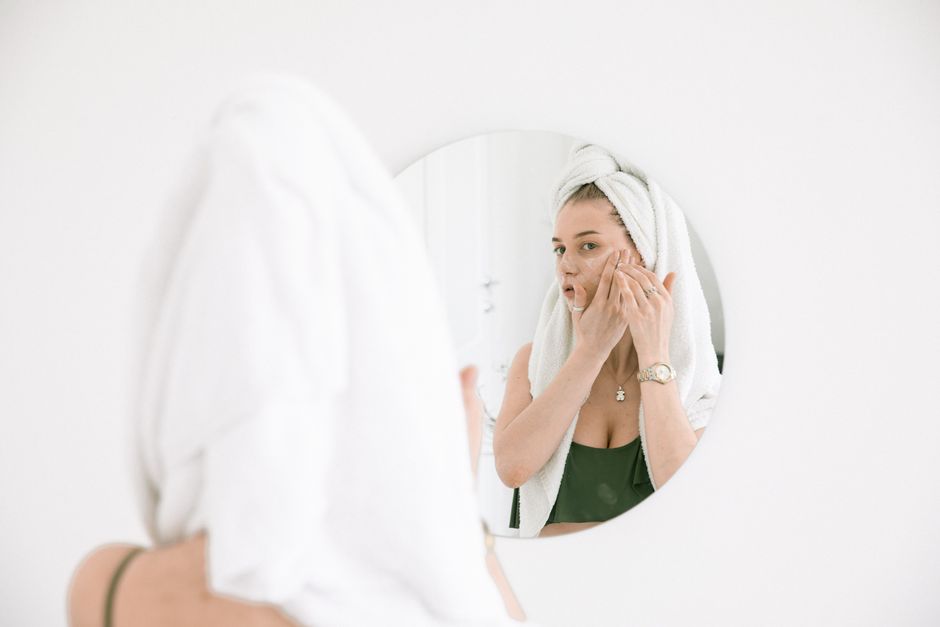
How you look at 50 is mostly the sum of three things you do every day: how you protect and care for your skin, how much quality sleep you get, and what you eat. No cream or supplement reverses aging, but the daily habits around skin, sleep, and diet are the ones with real evidence behind them. The changes that show are usually slow and cumulative, not overnight.
What Actually Happens to Skin at 50?
At 50, skin has genuinely changed at the structural level. This is not a marketing story. Collagen production has been declining for years by this point, and the skin’s ability to hold water and bounce back is lower than it was at 30. The outer layer thins, oil production drops, and the barrier that keeps moisture in becomes less efficient.
Two forces drive most of what you see. The first is intrinsic aging — the slow, genetically programmed decline that happens to everyone. The second is extrinsic aging, which is largely sun exposure. Dermatologists often describe photoaging as the dominant driver of visible facial aging, and that is a reasonable summary of the evidence. UV radiation breaks down collagen and elastin and drives pigment changes.
So wrinkles, sagging, uneven tone, and dryness at 50 are not one problem. They come from several processes at once. That matters because no single product or habit addresses all of them.
How To Look Younger At 50 With Skin, Sleep, And Diet
The three inputs work through different mechanisms, and they overlap less than people assume. Skin care works mostly on the surface and the upper layers. Diet supplies the raw materials and influences inflammation and blood sugar. Sleep affects repair, hormone balance, and fluid regulation. You need all three, and none of them is a substitute for the others.
Here is the honest version of what each one can and cannot do.
- Skin care can improve texture, tone, hydration, and some fine lines. It cannot rebuild deep structural volume loss.
- Sleep affects puffiness, dark circles, skin barrier recovery, and how skin looks day to day. Chronic poor sleep shows up on the face.
- Diet supports skin structure and may influence inflammation and glycation, a process where sugar binds to proteins like collagen. The effect is real but slow.
None of these produces dramatic change in a week. The realistic timeline for visible differences from consistent habits is measured in months, not days.
Which Skin Care Steps Have Real Evidence Behind Them?
A short list of ingredients has solid research behind it, and a much longer list does not. The evidence for sunscreen is the strongest of any skin product. Daily broad-spectrum sunscreen reduces further UV damage, and UV damage is the main driver of visible aging. If you do one thing, this is the one.
Retinoids are the other well-supported category. Prescription tretinoin and some over-the-counter retinol products have been studied for improving fine lines and texture over time. Results take months and often come with irritation at first. Start slowly.
Beyond those, the picture is thinner. Vitamin C serums, niacinamide, and moisturizers with humectants like glycerin and hyaluronic acid can help hydration and tone, and many people notice a difference. But the evidence for reversing wrinkles with these is modest compared with sunscreen and retinoids.
A few practical points:
- Gentle cleansing matters more at 50 because the barrier is weaker. Harsh scrubs and strong soaps can make dryness and irritation worse.
- Moisturizer improves the look of skin immediately by plumping the surface. That effect is temporary and does not change underlying structure.
- Skip products that promise to “rebuild collagen” from the outside. Topical collagen molecules are too large to penetrate deeply, and no strong evidence shows they replace your own collagen.
One clarification worth knowing: “anti-aging” is not a regulated term. A product can carry it with no evidence at all. Look for specific ingredients with specific research, not the label.




How Does Sleep Affect How Your Skin Looks?
Sleep is when a lot of skin repair happens. During deep sleep, growth hormone rises, and the body does more of its cellular maintenance. Skin blood flow increases, and the barrier recovers. Cut sleep short night after night and the effects become visible.
What poor sleep does to the face is fairly consistent. It increases puffiness, especially under the eyes, because fluid shifts and circulation change. It can make dark circles look worse. Over time, people who consistently sleep poorly tend to show more signs of skin aging and report lower skin satisfaction. Some research has linked poor sleep quality to faster skin aging and a weaker barrier, though this area is still developing.
What helps:
- Most adults need seven to nine hours. This is the range used by major sleep and health organizations.
- A consistent sleep and wake time supports better sleep quality more than most people expect.
- Sleeping on your back can reduce the compression and creasing that side or stomach sleeping causes over years.
- Alcohol close to bedtime fragments sleep, even if it makes you fall asleep faster.
Sleep will not erase wrinkles. It changes how rested, hydrated, and even your skin looks, and that difference is real and noticeable.
What Should You Eat for Younger-Looking Skin?
No food makes you look younger on its own. But overall diet pattern influences skin through inflammation, blood sugar, and the nutrients skin needs to maintain itself. The strongest theme in the research is that diets high in vegetables, fruit, and healthy fats, and lower in added sugar and refined carbohydrates, are associated with better skin appearance.
Two mechanisms are worth understanding. First, high blood sugar over time drives glycation, where sugar molecules attach to collagen and make it stiffer. This is a slow process, but it is one reason diets heavy in added sugar are linked to skin aging. Second, chronic inflammation can worsen conditions like acne and may affect how skin ages.
Nutrients that matter for skin structure and function:
- Protein supplies amino acids for collagen and other structural proteins. Most adults need adequate daily protein, and needs do not drop at 50.
- Vitamin C is required for collagen synthesis. It is found in citrus, peppers, berries, and many vegetables.
- Vitamin A and zinc support skin maintenance. Both are easy to get from a varied diet.
- Omega-3 fats from fish and some plant sources are associated with less inflammation, though evidence for direct skin-aging effects is limited.
- Water supports normal skin hydration, but drinking extra water beyond thirst does not “plump” skin the way marketing suggests.
Supplements marketed for skin are a weak spot. Collagen powders are popular, and some small studies suggest possible modest effects on skin elasticity, but the evidence is not strong enough to call them proven, and results vary. No large, high-quality trials have confirmed they reverse aging.
Do These Habits Really Make a Visible Difference?
Yes, but the honest scale of the difference matters. Consistent sun protection, sleep, and a good diet will not make a 50-year-old look 30. What they can do is slow further damage and improve how skin looks and feels day to day. That is a meaningful result, just not a dramatic one.
Genetics sets a large part of the baseline. You cannot change that. What you can change is how much additional damage accumulates and how well your skin functions in the meantime. Sun protection is the single habit with the clearest long-term payoff, because UV damage is cumulative and largely preventable.
Be skeptical of anything promising fast, dramatic reversal. If a product or routine claims to undo decades of aging in weeks, the evidence almost never supports it.
What Should You Avoid?
A few common habits work against skin, sleep, and diet at the same time.
- Smoking accelerates skin aging and reduces blood flow to skin. This is well established.
- Tanning and unprotected sun exposure add to cumulative UV damage.
- Chronic short sleep and irregular schedules undermine repair and show on the face.
- Diets high in added sugar and ultra-processed foods are linked to worse skin outcomes over time.
- Heavy alcohol use affects sleep quality and hydration.
None of this is complicated. The challenge is consistency, not knowledge. Small habits repeated for years do more than any single product.
Frequently Asked Questions
Can you actually look younger at 50 without procedures?
Yes, to a degree. Consistent sun protection, adequate sleep, and a balanced diet can improve skin tone, hydration, and texture and slow further visible aging, though they will not reverse deep structural changes.
Does drinking more water make your skin look younger?
Staying hydrated supports normal skin function, but drinking extra water beyond thirst does not plump skin or erase wrinkles. The evidence does not support water as an anti-aging treatment.
Do collagen supplements work for skin?
Some small studies suggest possible modest effects on skin elasticity, but the evidence is not strong enough to call them proven. No large, high-quality trials have confirmed they reverse skin aging.
How long before diet and sleep changes show on your skin?
Visible changes from better sleep can appear within days to a few weeks, mainly in puffiness and skin tone. Diet-related effects on skin structure are much slower and typically measured over months.
