
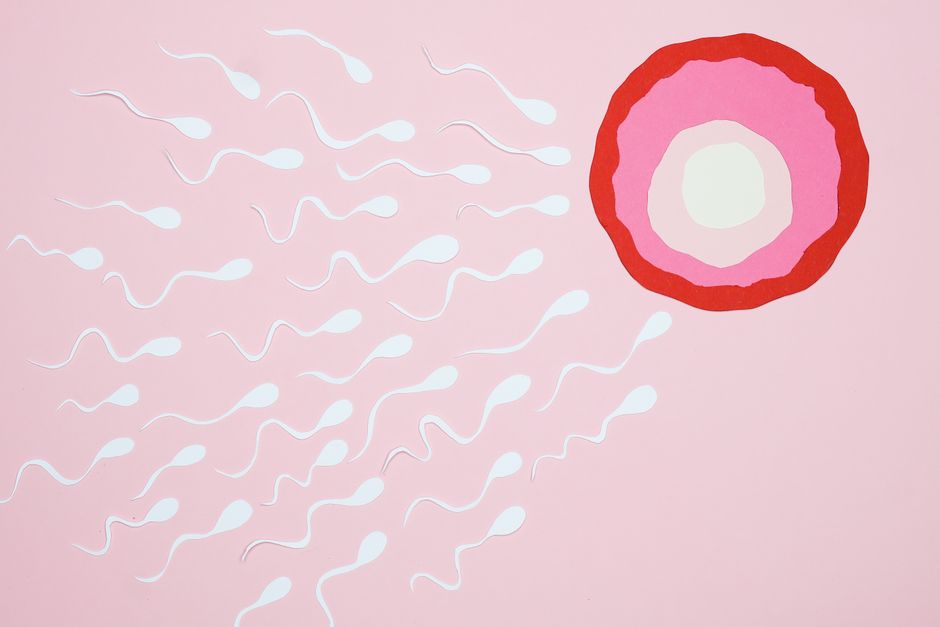
If your breasts feel tender, heavy, or sore around the middle of your cycle, ovulation is a likely reason. Ovulation causes sore breasts in many women because of the natural rise and fall of hormones — mainly estrogen and progesterone — that peaks in the days after an egg is released. The discomfort is real, it is common, and it usually fades on its own within a few days.
The key detail is timing. Ovulation-related breast soreness tends to show up mid-cycle, roughly two weeks before your next period. That timing is one of the main ways to tell it apart from the soreness many women feel right before menstruation.
Does Ovulation Cause Sore Breasts?
Yes. Ovulation is a well-documented cause of cyclical breast pain, and it is one of the most common reasons women notice breast tenderness at the midpoint of their cycle.
This type of discomfort has a name: cyclical mastalgia. “Cyclical” means it follows the rhythm of your menstrual cycle. It is different from non-cyclical breast pain, which does not track with your period and often has other causes.
Research consistently shows that cyclical breast pain is the most common form of breast pain in women of reproductive age. It is rarely a sign of something serious. That said, any new, persistent, or one-sided breast pain should be checked by a clinician, because breast pain can occasionally point to other issues.
Why Does Ovulation Cause Sore Breasts?
The soreness comes from hormone shifts, not from the ovary itself. After an egg is released, your body ramps up production of progesterone and estrogen to prepare the lining of the uterus for a possible pregnancy.
Those hormones act on breast tissue. Estrogen promotes growth of the milk ducts, and progesterone encourages development of the milk glands. Both hormones also cause fluid retention and increased blood flow in the breasts. The result is swelling, fullness, and tenderness.
This is normal physiology. The breast tissue is responding exactly the way it is designed to respond to a surge in reproductive hormones. The discomfort is a side effect of that process, not a sign that anything is wrong.
One detail worth knowing: the hormone changes that cause breast soreness are the same ones that cause bloating, mood shifts, and mild cramping around this time. They tend to travel together.
When Do Sore Breasts Start After Ovulation?
Soreness usually begins in the days right after ovulation and can last until your period starts. Ovulation itself typically happens around the middle of the cycle — often near day 14 in a 28-day cycle, though this varies widely from woman to woman and from cycle to cycle.
The phase after ovulation is called the luteal phase. It generally lasts about 12 to 14 days in most women, though it can be a little shorter or longer. Breast tenderness often builds during this phase and eases once menstruation begins.
This is where ovulation soreness and premenstrual soreness overlap. Because the luteal phase runs straight into the days before your period, the soreness that starts after ovulation can simply continue and feel worse right before bleeding starts. For many women, it is one continuous stretch of tenderness rather than two separate events.


How Is Ovulation Breast Pain Different From PMS Breast Pain?
They are closely related and often part of the same hormonal process. The main difference is timing and how early it starts.
Ovulation-related soreness tends to begin earlier — closer to mid-cycle. PMS breast pain usually shows up in the last week or so before your period. Because ovulation happens before PMS, the soreness that starts at ovulation can blend into premenstrual soreness without a clear break.
Some women also notice a small amount of clear or slippery cervical mucus, a slight twinge on one side of the lower belly, or a small rise in basal body temperature around ovulation. These signs can help confirm that mid-cycle soreness lines up with ovulation.
What Other Causes Can Look Like Ovulation Breast Pain?
Not all breast soreness is tied to ovulation. Several other factors can produce similar tenderness, and it helps to know the difference.
- Pregnancy. Early pregnancy causes breast fullness and tenderness that can feel like ovulation or PMS soreness, but it usually continues and often intensifies.
- Hormonal birth control. Pills, patches, rings, implants, and shots can all cause breast tenderness, especially in the first few months.
- Fibrocystic breast changes. This common, benign condition makes breasts feel lumpy or ropey and can cause cyclical soreness.
- Medications. Some antidepressants, hormone therapies, and other prescriptions list breast tenderness as a side effect.
- Muscle strain. Pain from the chest wall muscles can feel like breast pain, especially with movement or pressing.
- Caffeine and diet. Some women report more tenderness with high caffeine intake, though the evidence for this is mixed.
If your soreness does not follow a cycle, is focused in one spot, or comes with a lump, skin changes, or nipple discharge, that pattern is different from typical ovulation soreness and should be evaluated by a doctor.
How Can You Manage Ovulation Breast Soreness?
Most ovulation-related breast soreness is mild and does not need treatment. Simple measures help many women.
A well-fitted, supportive bra — including a sports bra during activity — can reduce movement-related discomfort. Some women find a soft, wireless bra more comfortable during the tender days. Applying a warm compress or a cold pack, whichever feels better, can ease the ache.
Over-the-counter pain relievers such as ibuprofen or acetaminophen are commonly used for cyclical breast pain. These reduce pain but do not treat a cause, because there is no disease to treat. If you take them, follow the label directions.
Some clinicians recommend limiting caffeine or trying evening primrose oil for cyclical breast pain. The evidence for these is mixed, and results vary from person to person. Evening primrose oil is not a proven treatment, and it can interact with some medications and may not be safe for everyone, so it is worth discussing with a clinician before trying it.
If your breast pain is severe, disrupts sleep or daily life, or does not ease with basic measures, talk to a healthcare provider. Persistent or worsening pain deserves a proper evaluation rather than guesswork.
When Should You See a Doctor About Breast Pain?
Breast pain alone is rarely a sign of breast cancer. Most breast pain, including cyclical pain tied to ovulation, is not cancer. But some patterns warrant a medical visit.
See a clinician if the pain is new and persistent, is located in one specific spot, or is getting worse over time. Also seek care if breast pain comes with a lump, thickening, skin dimpling, a change in the nipple, or nipple discharge — especially bloody or clear discharge from one nipple.
Pain that continues after menopause, or pain that is clearly not linked to your cycle, is another reason to get checked. These signs do not mean something is seriously wrong, but they are the kind of changes that should be looked at rather than watched indefinitely.
Regular breast self-awareness matters here. Knowing what your breasts normally feel like across your cycle makes it easier to notice when something changes.
Does Sore Breast Always Mean You Ovulated?
No. Sore breasts are a common sign that ovulation may have happened, but they are not a reliable way to confirm it.
Hormone levels, cycle length, and individual sensitivity all vary. Some women ovulate without any breast soreness. Others feel tenderness from hormonal shifts even in cycles where ovulation is uncertain. Breast soreness is a clue, not proof.
If you are trying to track ovulation, methods like basal body temperature tracking, cervical mucus monitoring, or ovulation predictor kits give more direct information than breast symptoms alone. None of these is perfect, and each has limits, but together they are more useful than soreness by itself.
Frequently Asked Questions
How soon after ovulation do breasts get sore?
Soreness often begins within a few days after ovulation, as progesterone and estrogen rise during the luteal phase. For many women it builds gradually and peaks in the days before the next period.
How long does ovulation breast soreness last?
It commonly lasts from a few days to about two weeks, easing once your period starts. The exact length varies from woman to woman and cycle to cycle.
Can ovulation cause sore breasts on one side only?
Yes, breast soreness can be felt more on one side, though it is often felt in both. Pain that is consistently one-sided, focused in one spot, or comes with a lump should be checked by a doctor.
Is ovulation breast pain a sign of pregnancy?
No, sore breasts from ovulation are not a sign of pregnancy on their own. Pregnancy-related breast tenderness usually continues and often intensifies rather than easing with your period.
