
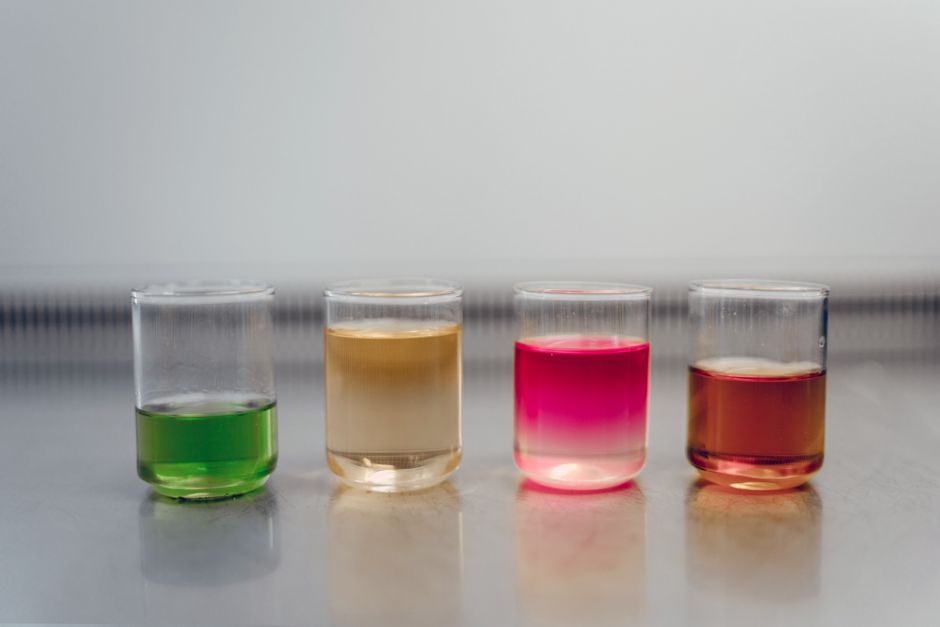
Urine gets its colour from a pigment called urochrome, and normal urine ranges from pale yellow to amber. That colour comes from how much water is mixed with waste your kidneys have filtered out. More water means lighter urine. Less water means darker urine.
So the short answer to what is the colour of normal urine is: shades of yellow, from almost clear to deep gold. Anything outside that range is worth paying attention to. Not always alarming, but worth understanding.
What Is The Colour Of Normal Urine?
Normal urine is yellow. The exact shade depends mostly on your hydration level at the moment you urinate.
At the light end, urine can look almost like water with a faint yellow tint. At the dark end, it can look like apple juice or amber. Both can be normal depending on how much fluid you have had, what you have eaten, and even the time of day. First-morning urine tends to be darker because you have not had fluids overnight.
Urochrome is the main pigment responsible. It is a breakdown product of hemoglobin, the protein in red blood cells that carries oxygen. Your body constantly breaks down old red blood cells, and urochrome is one of the waste products that ends up in urine. The more concentrated the urine, the more visible the yellow.
There is no single “correct” shade of yellow. A range is normal. What matters more is whether your urine stays consistently dark despite drinking enough fluids, or whether it changes colour in ways that food and hydration cannot explain.
What Does the Colour of Your Urine Say About Hydration?
Urine colour is one of the simplest hydration signals your body gives you. When you are well hydrated, your kidneys have plenty of water to work with. They dilute waste products, and the result is pale yellow urine.
When you are dehydrated, your kidneys conserve water by concentrating urine. Urochrome becomes more concentrated too, so the colour deepens. Dark amber urine usually means you need to drink more fluids.
That said, urine colour is not a precise measure of hydration. It is a rough guide. Certain foods, vitamins, and medications can change the colour even when hydration is fine. Thirst is still a reliable signal for most healthy adults.
Some clinicians use urine colour charts as a quick screening tool. These charts typically range from pale straw (well hydrated) to dark amber (dehydrated). They are useful as a general guide but were not designed as diagnostic tools.
What Foods and Drinks Change Urine Colour?
Food and drink can shift urine colour in ways that have nothing to do with health problems. This is one of the most common reasons people notice a change and worry unnecessarily.
- Beets can turn urine pink or red. This is called beeturia, and it happens in some people more than others.
- Blackberries and rhubarb can also darken urine or give it a reddish tint.
- Carrots and carrot juice may give urine a deeper yellow or orange tone.
- Asparagus is well known for changing urine odour, though it can also affect colour slightly.
- B vitamins, especially riboflavin (B2), can turn urine bright yellow or almost fluorescent. This is harmless and temporary.
- Vitamin C in large doses may occasionally affect colour.
These changes are temporary. Once the food or supplement clears your system, urine returns to its normal yellow range. If a colour change persists after you stop eating or taking the culprit, that is when it deserves a closer look.





What Medications Can Change Urine Colour?
Many common medications can change urine colour. This is a well-documented effect and usually harmless.
Some antibiotics can turn urine orange or dark yellow. Certain muscle relaxants can give urine a blue or green tint. Some laxatives can produce reddish or pink urine. Phenazopyridine, a medication used for urinary pain relief, reliably turns urine bright orange.
If you notice a colour change after starting a new medication, checking the package insert or asking a pharmacist is a reasonable first step. Most medication-related colour changes are not dangerous. But it is worth confirming rather than assuming.
Do not stop any prescribed medication because of urine colour without talking to your doctor first.
When Is Urine Colour a Sign of a Health Problem?
Some urine colours do point to medical conditions. These are less common than food or medication effects, but they matter.
Red or pink urine can indicate blood. This is called hematuria. It can come from a urinary tract infection, kidney stones, or other conditions. It can also come from benign causes like intense exercise. Blood in urine should always be evaluated by a doctor, even if it comes and goes.
Dark brown or tea-coloured urine can signal liver problems, muscle breakdown (rhabdomyolysis), or severe dehydration. Some older medications can also cause this.
Cloudy or milky urine may indicate a urinary tract infection or the presence of crystals. It is not always abnormal, but it is worth investigating if it persists.
Blue or green urine is rare. It is most often caused by medications, dyes, or certain rare metabolic conditions.
Foamy urine is not a colour change, but it can indicate protein in the urine, which may be a sign of kidney issues if it happens regularly.
One important point: you cannot diagnose yourself from urine colour alone. Many colours have multiple possible causes, and some serious conditions produce no colour change at all. A doctor can run simple tests to find out what is actually going on.
How Much Water Should You Drink for Normal Urine Colour?
There is no single number that works for everyone. Fluid needs vary based on body size, activity level, climate, and health conditions.
The National Academies of Sciences, Engineering, and Medicine has set general daily fluid recommendations for healthy adults. These are roughly 3.7 liters (about 125 ounces) of total water per day for men and 2.7 liters (about 91 ounces) for women. “Total water” includes water from food and all beverages, not just plain drinking water.
These are general guidelines, not prescriptions. Some people need more. People who are pregnant, breastfeeding, very active, or living in hot climates typically need more fluids. People with certain heart or kidney conditions may need to limit fluids, and should follow their doctor’s guidance.
A practical approach: drink enough that your urine stays in the pale yellow range most of the time. If it is consistently dark amber, you likely need more fluids.
Does Urine Colour Change Throughout the Day?
Yes. Urine colour naturally shifts over the course of a day. Morning urine is usually the darkest because you have gone several hours without drinking. As you drink fluids during the day, urine typically becomes lighter.
Medications taken at certain times, meals, and physical activity can all affect the colour at different points in the day. This variation is normal.
What is more useful than any single observation is the pattern. If your urine is consistently pale yellow across most of the day, you are likely well hydrated. If it is consistently dark no matter how much you drink, that is worth mentioning to a doctor.
What Colour Should Urine Be When You Wake Up?
First-morning urine is typically darker than urine later in the day. This is expected. Overnight, you are not drinking, but your kidneys continue filtering waste. The result is more concentrated urine, often a deeper yellow or amber.
For most healthy adults, this is not a concern. Once you drink fluids in the morning, the colour should lighten within a few hours. If your morning urine is consistently very dark despite adequate fluid intake during the day, that is worth discussing with a healthcare provider.
Frequently Asked Questions
What is the normal colour of urine?
Normal urine ranges from pale yellow to amber, depending on hydration. The yellow colour comes from urochrome, a pigment produced when your body breaks down old red blood cells.
What does clear urine mean?
Very pale or clear urine usually means you are well hydrated, possibly more than needed. If you are drinking large amounts of water and urine stays consistently clear, you may be overhydrating.
Is dark yellow urine always a sign of dehydration?
Dark yellow urine often indicates dehydration, but B vitamins and certain foods can also cause it. If it stays dark despite drinking enough fluids, see a doctor.
Can urine colour tell you if you have a kidney problem?
Urine colour alone cannot diagnose kidney problems. Some kidney conditions cause no colour change, while others may cause blood or foamy urine that requires medical testing to identify.
