
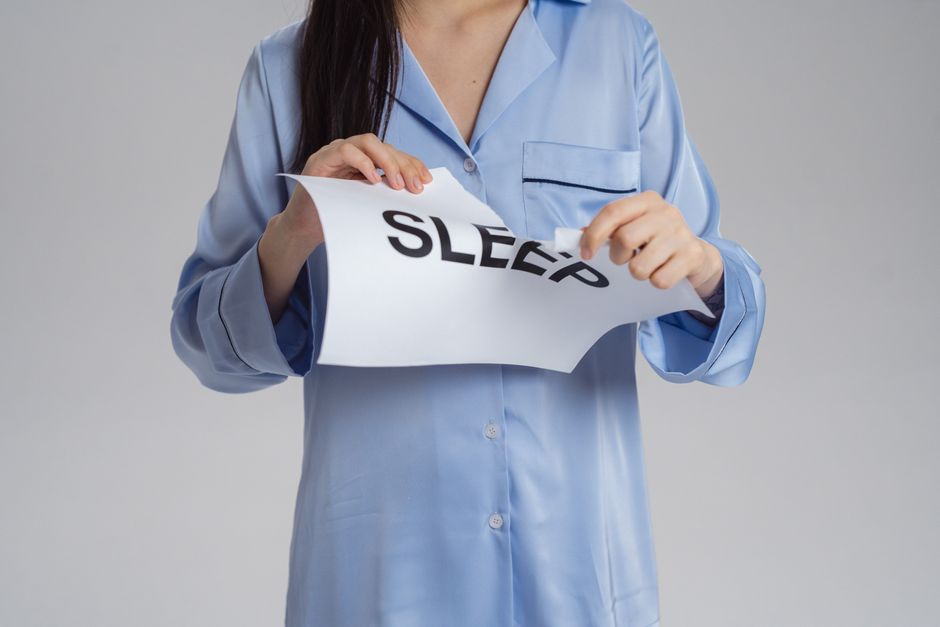
Yes, insomnia is a very real symptom of perimenopause. It is not just in your head. Hormonal shifts during the transition to menopause directly impact sleep quality for many women. Research from the National Sleep Foundation shows that up to 61% of perimenopausal women report sleep problems. This is not about bad habits. It is about biology.
How Are Hormones Connected to Sleep in Perimenopause?
Your body relies on a careful balance of estrogen and progesterone to regulate sleep. Progesterone acts as a natural sleep aid. It helps you fall asleep and stay asleep. During perimenopause, progesterone levels drop unevenly. This makes sleep more fragile.
Estrogen also plays a role. It helps control your body temperature and your sleep-wake cycle. When estrogen fluctuates, the part of your brain that manages sleep can get confused. Studies published in the journal Menopause have found that women with lower estrogen levels take longer to fall asleep and spend less time in deep sleep.
There is also a connection to cortisol. Cortisol is your stress hormone. Normally it drops at night so you can rest. But during perimenopause, the brain can become more sensitive to stress signals. Some women experience a cortisol spike in the middle of the night. This wakes them up and makes it hard to fall back asleep.
Is Insomnia a Symptom of Perimenopause or Something Else?
This is the question many women ask. The honest answer is that perimenopause insomnia can look like other sleep disorders. But there are a few clues that point specifically to hormones.
One clue is timing. If your sleep problems started roughly around the same time as irregular periods, night sweats, or mood changes, hormones are likely the cause. Another clue is waking up between 2 a.m. and 4 a.m. This is common for hormone-driven insomnia because that is when cortisol naturally starts to rise for the day. In perimenopause, that rise can happen too early or too sharply.
That said, other things can make it worse. Anxiety, caffeine, alcohol, and sleep apnea all disrupt sleep. Sleep apnea becomes more common in perimenopause because lower estrogen affects airway muscles. If you snore loudly or wake up gasping, that is worth mentioning to your doctor. It is not just perimenopause.
A sleep diary can help. Write down when you sleep, when you wake, and what you ate or drank that day. The pattern often becomes clear after two weeks.
What Actually Works for Perimenopause Insomnia?
There is no single cure. But there are approaches with real evidence behind them. Cognitive behavioral therapy for insomnia, or CBT-I, is the first-line treatment recommended by the American College of Physicians. It is not about sleeping pills. It is about retraining your brain to associate bed with sleep. Studies show it works better than medication over the long term.
Hormone therapy is another option. Low-dose estrogen therapy can stabilize body temperature and reduce night sweats. This helps sleep indirectly. The North American Menopause Society reports that hormone therapy improves sleep quality in many women. But it is not for everyone. It requires a conversation with your doctor about your personal risks.
Some women find relief with magnesium glycinate. The evidence is moderate. Some studies suggest magnesium helps with sleep onset and muscle relaxation. It is not a cure, but it is low risk. A typical dose is 200 to 400 milligrams before bed.
Melatonin is more complicated. Your body produces less melatonin as you age. But taking a high dose can backfire. A low dose of 0.5 to 1 milligram may help. Higher doses can leave you groggy the next day.





What to Avoid When You Have Perimenopause Insomnia
There are things that make hormonal insomnia worse. Alcohol is a big one. It helps you fall asleep initially but then causes a rebound effect. Your body processes alcohol and wakes you up in the second half of the night. Many women report waking up at 2 a.m. after even one glass of wine.
Late-night eating also disrupts sleep. Spicy or sugary foods can trigger hot flashes. A heavy meal close to bedtime forces your body to work on digestion instead of rest. Try to eat your last meal at least three hours before bed.
Screen time is another problem. Blue light from phones and tablets suppresses melatonin. That makes it harder to fall asleep. The effect is stronger in perimenopausal women because their baseline melatonin is already lower. Put the phone away at least 30 minutes before bed.
Sleeping pills are not a good long-term solution. Over-the-counter options like diphenhydramine cause drowsiness but do not improve sleep quality. They also build tolerance quickly. Prescription sleep medications carry risks of dependence and daytime drowsiness. They are best used only for short periods under a doctor’s supervision.
Practical Steps You Can Take Tonight
Start with your bedroom temperature. Keep it cool, around 65 to 68 degrees Fahrenheit. A cool room helps counteract the temperature swings of perimenopause. Use a fan or a cooling mattress pad if needed.
Try a consistent wake time. Even if you slept poorly, get up at the same time every day. This helps reset your internal clock. Napping can make things worse. If you must nap, keep it under 20 minutes and before 2 p.m.
Consider a weighted blanket. Some women find the pressure calming. Small studies suggest weighted blankets increase serotonin and lower cortisol. They are not a fix for everyone, but they are safe to try.
Talk to your doctor about your specific symptoms. If night sweats wake you up, hormone therapy might help. If you have anxiety, CBT-I or therapy might be better. There is no one-size-fits-all answer. But there is help available.
Common Misconceptions About Perimenopause Insomnia
One common myth is that insomnia during perimenopause is just anxiety. Anxiety can play a role, but it is not the whole story. The hormonal changes themselves disrupt the brain’s sleep circuitry. Blaming it all on stress ignores the biology.
Another myth is that you just have to wait it out. Perimenopause can last four to eight years. That is a long time to go without good sleep. There are treatments that work. Do not accept poor sleep as inevitable.
Some people also believe that hormone therapy is dangerous for everyone. This is not accurate. The risks depend on your age, health history, and the type of hormones used. For many women under 60, the benefits of hormone therapy for sleep and quality of life outweigh the risks. The decision should be made with a doctor who knows your personal health profile.
Finally, there is the idea that melatonin is harmless because it is natural. It is not harmless if taken incorrectly. High doses can disrupt your natural cycle. Always start with the lowest effective dose.
| Approach | Evidence Level | Best For |
|---|---|---|
| CBT-I | Strong | Long-term sleep improvement |
| Hormone therapy | Strong | Night sweats and hot flashes |
| Magnesium glycinate | Moderate | Mild sleep onset issues |
| Melatonin (low dose) | Moderate | Circadian rhythm support |
| Prescription sleep aids | Strong short-term | Acute severe insomnia |
| Alcohol | Negative effect | Avoid |
Frequently Asked Questions
Can perimenopause cause insomnia even without night sweats?
Yes. Hormone fluctuations alone can disrupt sleep even if you do not have hot flashes. Many women experience sleep problems as their first perimenopause symptom.
How long does perimenopause insomnia last?
It can last for several years during the transition. Sleep often improves after menopause is complete, though some women continue to have issues.
Is it safe to take melatonin every night during perimenopause?
It is generally safe for short-term use. Long-term nightly use is not well studied and may affect your natural hormone production.
Does exercise help perimenopause insomnia?
Yes. Regular aerobic exercise improves sleep quality in perimenopausal women. Morning or early afternoon exercise works best.
