
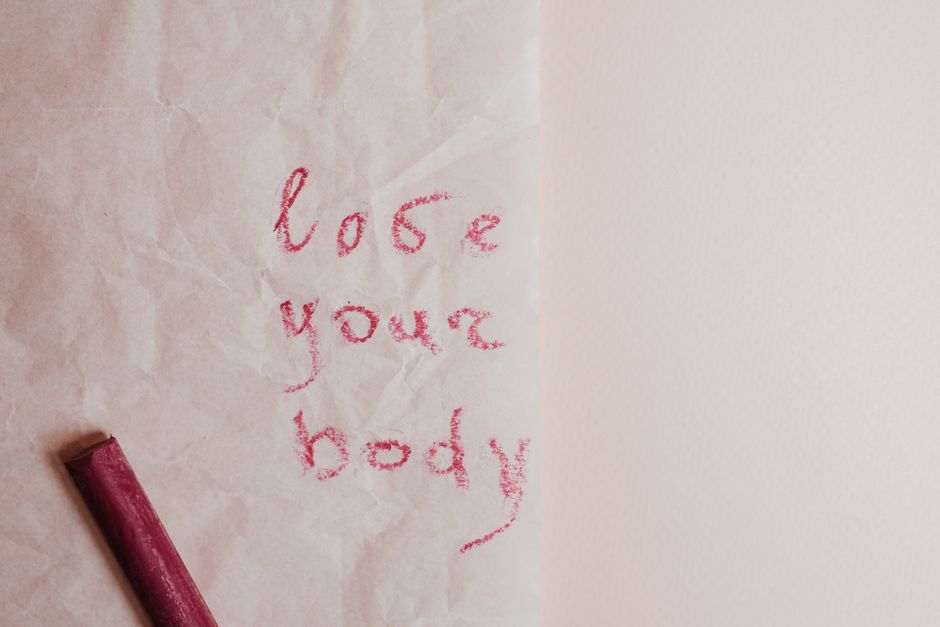
What does “I love you” actually mean when you say it? In short, it is a statement of emotional commitment and vulnerability. It signals that you see someone as important in your life and that you are willing to be open with them. But the real meaning depends entirely on the context, the relationship, and the timing. This guide breaks down what that phrase really communicates and how to handle it with honesty and clarity.
What Does “I Love You” Mean in Different Types of Relationships?
The same three words carry very different weight depending on who you are saying them to. In a romantic relationship that is at least a few months old, saying “I love you” usually means you are ready for a deeper level of commitment. It signals that you see a future with this person. It is a milestone that often changes the dynamic of the relationship.
In a friendship, saying “I love you” is common and usually means deep appreciation and trust. Research from the American Psychological Association shows that platonic love activates similar brain regions as romantic love. The difference is that there is no expectation of exclusivity or a shared future in the same way.
In a family setting, the phrase is often used as a routine expression of care. It can mean “I am here for you” or “You matter to me.” The meaning is stable and rarely carries the anxiety that romantic declarations can bring. If you say it to a parent or sibling, the expectation is usually just continued connection, not a change in the relationship.
When Should You Say “I Love You” for the First Time?
There is no universal right time, but research on relationship milestones gives some useful guidelines. A study published in the Journal of Social and Personal Relationships found that men typically think about saying “I love you” after about three months of dating. Women tend to think about it closer to five months. But these are averages, not rules.
The most important factor is whether you have spent enough time together to see how the other person handles stress, conflict, and everyday life. If you have only seen each other on dates and never dealt with a real problem, you do not know them well enough yet. Wait until you have seen them in at least one difficult situation.
Another practical sign is whether you feel comfortable being yourself around them without performing or hiding parts of your personality. If you still feel the need to impress them constantly, you are likely still in the early attraction phase. Real love usually settles in after that phase fades.
Some people report that saying it too early — within the first few weeks — can create pressure that the relationship is not ready for. Strong evidence on this is limited, but many relationship therapists agree that waiting until you have had at least one serious disagreement is a good rule of thumb.
What If You Say It and They Do Not Say It Back?
This is one of the most uncomfortable moments in any relationship. If you say “I love you” and the other person does not say it back, it does not mean the relationship is over. It means they are not there yet. The CDC reports that the average time between saying “I love you” and hearing it back is about three months for couples who stay together long-term.
Your best move is to stay calm and not demand a response. Say something like “That is okay. I just wanted you to know how I feel.” Then give them space to process it. Pressuring someone to say it back usually backfires and creates resentment.
Pay attention to their actions more than their words. If they treat you with care, show up for you, and include you in their future plans, they may feel love even if they are not ready to say it. Some people come from families where emotional expression was rare, and saying “I love you” feels like a huge risk to them.
If several months pass and they still cannot say it, that is a different signal. It may mean they do not feel the same level of commitment. At that point, you have to decide whether the relationship meets your needs as it is.





How Does Saying “I Love You” Change a Relationship?
Saying “I love you” changes the relationship in measurable ways. Research from the University of Texas found that couples who exchanged “I love you” reported higher relationship satisfaction overall. But the study also found that saying it too early — before the relationship was stable — was linked to higher breakup rates within the first year.
The change is mostly about expectations. Before you say it, the relationship is still somewhat casual. After you say it, both people usually expect more time together, more emotional support, and more exclusivity. If one person is not ready for that shift, the relationship can become strained.
One non-obvious point is that saying “I love you” can also reduce anxiety in the relationship. Once the words are out, you no longer have to wonder where you stand. That clarity is valuable even if the answer is not what you hoped for. Knowing the truth lets you make better decisions about your future.
The table below compares how relationships typically change before and after saying “I love you.”
| Aspect | Before Saying It | After Saying It |
|---|---|---|
| Emotional investment | Cautious, testing compatibility | Higher, more willing to compromise |
| Exclusivity | Often assumed but not discussed | Usually explicitly expected |
| Conflict resolution | May avoid serious disagreements | More willing to work through problems |
| Future planning | Short-term, next few dates | Long-term, months or years ahead |
What If You Are Not Sure You Mean It?
If you are unsure whether you really love someone, do not say it. Saying “I love you” when you do not mean it is dishonest and can hurt both of you. It creates false expectations that are hard to undo. Some people report saying it because they felt pressured or because the other person said it first. That is not a good reason.
Instead, be honest about what you do feel. You can say “I really care about you” or “I am so happy we are together.” These statements are true and they keep the door open for love to develop naturally. There is no clinical evidence that saying “I love you” speeds up the development of real love. It just names what is already there.
If you are unsure after several months of dating, it may be a sign that the relationship is not right for you. Love usually grows when two people are genuinely compatible. If it has not grown yet, it may never grow. That is not a failure. It just means the relationship has run its course.
Common Misconceptions About Saying “I Love You”
One common myth is that saying “I love you” too early will scare someone away permanently. That is not true for most people. If someone is genuinely interested in you, hearing that you love them will not make them leave. It may make them pause if they are not ready, but it usually does not end the relationship by itself.
Another misconception is that you should only say “I love you” when you are sure the other person feels the same way. That puts too much pressure on the moment. You can say it even if you are not sure how they feel. The point is to be honest about your own feelings, not to get a specific response.
A third myth is that love is always a feeling. It is not. Love is also a choice and a set of actions. You can feel love for someone and still choose not to act on it if the relationship is unhealthy. And you can choose to act in loving ways even when the warm feeling fades temporarily. The words “I love you” are most meaningful when they reflect both feeling and action.
Here is a quick list of what to avoid when saying “I love you” for the first time:
- Do not say it during or right after sex. The emotional high can make it seem real when it is not.
- Do not say it to get someone to stay in a relationship that is already ending.
- Do not say it because you feel obligated after they said it first.
- Do not say it if you have been drinking or are under the influence of anything.
Frequently Asked Questions
How long should you wait to say I love you?
Most relationship research suggests waiting at least three to five months to see how the relationship handles real-life situations before saying it.
What does it mean if he says I love you but acts distant?
It usually means he feels love but is not ready for the level of commitment that often follows, so his actions do not match his words.
Is it okay to say I love you first?
Yes, saying it first is fine as long as you are prepared for any response and you truly mean what you say.
Can you love someone but not be in love with them?
Yes, this is common in long friendships or relationships where deep care exists without romantic or passionate feelings.
