
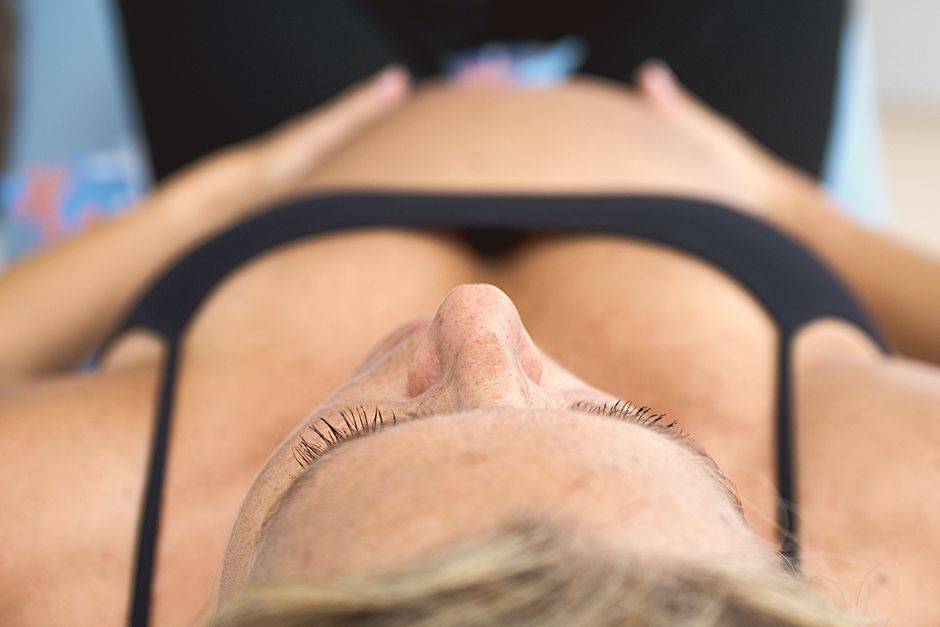
Hydrafacials are generally considered safe during pregnancy, but there are important precautions every expecting mother should know before booking an appointment. The HydraFacial itself is a non-invasive, gentle treatment that cleanses, exfoliates, and hydrates the skin using serums. Most dermatologists agree the basic HydraFacial treatment is safe for pregnant women because it does not involve harsh chemicals, needles, or heat. However, the safety depends entirely on which serums and boosters your esthetician uses during the procedure. Some ingredients commonly added to HydraFacials are not recommended during pregnancy, so you need to ask specific questions before your session.
What Makes a HydraFacial Different From Other Facials During Pregnancy?
A HydraFacial uses a patented device that vacuums out pores while simultaneously infusing serums into the skin. Unlike chemical peels or microdermabrasion, it does not abrade the skin surface. This makes it gentler overall. The treatment has three steps: cleanse and peel, extract and hydrate, and protect. Each step uses a different serum.
The standard HydraFacial serums contain ingredients like glycolic acid, salicylic acid, hyaluronic acid, and antioxidants. The concentrations of these acids are very low — typically under 2% for salicylic acid and under 10% for glycolic acid. At these levels, topical application during a single facial is unlikely to cause harm. The American College of Obstetricians and Gynecologists states that low-concentration topical salicylic acid is safe during pregnancy. High-dose oral salicylic acid (like aspirin) is not recommended, but the tiny amount absorbed through the skin during a facial is considered safe.
What makes the HydraFacial different is the delivery system. The serums are applied and then immediately removed by the vacuum tip. This means the product stays on your skin for only seconds before being suctioned away. Very little is absorbed into your bloodstream. That is why many dermatologists feel comfortable performing standard HydraFacials on pregnant clients.
Which HydraFacial Ingredients Should Pregnant Women Avoid?
Not all HydraFacial add-ons are equal. The basic treatment is one thing, but many estheticians offer booster serums that contain ingredients you should avoid during pregnancy. The main concern is retinol (vitamin A) and its derivatives. Retinol is commonly added as a booster for anti-aging benefits. High doses of oral vitamin A are known to cause birth defects. While topical retinol at low concentrations has not been proven harmful, most doctors recommend avoiding it entirely during pregnancy out of caution.
Other ingredients to watch for include:
- High-concentration salicylic acid — above 2% in a serum or peel
- Hydroquinone — a skin-lightening agent often used for melasma
- Essential oils like peppermint, clary sage, and rosemary — some can trigger contractions
- Benzoyl peroxide — though topical use is generally safe, some estheticians avoid it
- Chemical sunscreens like oxybenzone — some studies suggest absorption concerns
Always ask your esthetician for a full ingredient list of every serum they plan to use. If they cannot provide it, do not proceed. A reputable spa will have pregnancy-safe options or can customize the treatment by skipping certain boosters.
What Does Research on HydraFacial Safety During Pregnancy Show?
There are no large-scale clinical trials specifically studying HydraFacials in pregnant women. That is standard for most cosmetic procedures — researchers do not test them on pregnant participants for ethical reasons. So the evidence we have comes from expert opinion and decades of clinical experience with the individual ingredients.
The American Academy of Dermatology states that topical glycolic acid and low-concentration salicylic acid are safe during pregnancy when used in small amounts. The same guidance applies to HydraFacial serums. The U.S. Food and Drug Administration (FDA) does not specifically regulate HydraFacials, but the device itself has been cleared for general use. The serums used are classified as cosmetics, not drugs, so they are not tested for pregnancy safety.
What this means in practice: the risk is low, but it is not zero. Most dermatologists and obstetricians consider the standard HydraFacial safe because of the low absorption and short contact time. However, every pregnancy is different. If you have a high-risk pregnancy, a history of allergies, or sensitive skin, you should consult your OB-GYN before any facial treatment.





Is Hydrafacial Safe For Pregnancy What To Know About the Extraction Step
The extraction phase of a HydraFacial uses a vortex suction tip to manually clear pores. This is gentle compared to manual extractions where an esthetician presses on your skin with fingers or tools. During pregnancy, your skin becomes more sensitive and prone to broken capillaries. The increased blood volume and hormonal changes make your skin more reactive.
Some pregnant women find the suction uncomfortable or notice temporary redness after the extraction step. This is normal and usually fades within a few hours. If you have rosacea, eczema, or active acne, the suction might aggravate those conditions. The esthetician can lower the suction intensity or skip the extraction step entirely if you prefer.
The good news is that the suction does not penetrate deep enough to reach the fetus. It only affects the outer layers of your skin. The concern is not about the fetus being harmed by the suction itself — it is about your skin reacting poorly. If you are prone to hyperpigmentation or melasma (common during pregnancy), the suction could theoretically trigger more pigment changes in some women, though this is not well-studied.
What Are the Side Effects of HydraFacial During Pregnancy?
Most women tolerate HydraFacials well during pregnancy. The most common side effects are mild and temporary:
- Slight redness or flushing for 1–3 hours after treatment
- Mild tingling or warmth during the application of certain serums
- Small whiteheads (milia) forming a day or two later — this is a normal healing response
- Temporary dryness or flaking if the glycolic acid was used
More serious side effects are rare but possible. If you have an allergic reaction to any ingredient, you could develop hives, swelling, or a rash. This is why a patch test is recommended if you have never had a HydraFacial before. During pregnancy, your immune system changes and you may react differently to products you previously tolerated.
There is no evidence that a HydraFacial can cause miscarriage, preterm labor, or harm to the baby. The treatment is entirely external — the serums do not enter your bloodstream in significant amounts. The suction and light do not penetrate beyond the skin. The main risk is to your own comfort and skin health, not to your pregnancy.
How to Prepare for a HydraFacial While Pregnant
If you decide to get a HydraFacial during pregnancy, take these steps to stay safe. First, call the spa ahead of time and tell them you are pregnant. Ask if they have pregnancy-safe serums or if they can customize the treatment. Many spas have a specific pregnancy HydraFacial protocol that uses only gentle ingredients.
Second, request a patch test 24 to 48 hours before your appointment. The esthetician can apply a small amount of each serum to your inner arm or behind your ear. This gives you time to see if any reaction occurs. During pregnancy, your skin can become more reactive to ingredients you have used before without issue.
Third, avoid any add-ons that involve heat, LED light therapy, or strong chemical peels. Some HydraFacial packages include a lymphatic drainage massage or a collagen-boosting mask — these are generally fine, but check with your provider. Avoid any treatment that claims to use “medical-grade” or “prescription-strength” ingredients.
Fourth, stay hydrated before and after the treatment. Pregnancy increases your blood volume and your skin may be more prone to dehydration. Drinking water helps your skin respond better to the hydrating serums. Also, avoid any other facial treatments for at least two weeks before your HydraFacial to prevent over-stressing your skin.
| Ingredient | Safe During Pregnancy? | Notes |
|---|---|---|
| Glycolic acid (low %) | Yes | Concentration under 10% is standard in HydraFacial |
| Salicylic acid (low %) | Yes | Under 2% is considered safe by ACOG |
| Hyaluronic acid | Yes | Naturally found in the body, no known risk |
| Retinol (vitamin A) | No | Avoid entirely during pregnancy |
| Hydroquinone | No | High absorption concern, avoid |
| Benzoyl peroxide | Likely safe | Topical use generally OK, but avoid if unsure |
| Essential oils (strong) | Depends | Peppermint, clary sage, rosemary — avoid |
Common Misconceptions About HydraFacials and Pregnancy
One myth is that the suction from a HydraFacial can cause a miscarriage. That is not true. The suction is extremely gentle and only affects the surface of your face. It does not penetrate anywhere near your abdomen or uterus. The same concern is sometimes raised about facial massage — also unfounded.
Another misconception is that all facials are dangerous during pregnancy. That is not accurate either. Many facials are safe if the ingredients are pregnancy-friendly. The key is to avoid certain active ingredients, not to avoid facials entirely. In fact, many pregnant women find HydraFacials helpful for managing pregnancy-related acne and dullness.
A third myth is that you cannot get a HydraFacial in your first trimester. There is no medical reason to avoid it during any trimester. Some women choose to wait until the second trimester because they feel more energetic and less nauseous. But from a safety standpoint, the first trimester is not riskier than the second or third. The only real concern is that your skin may be more sensitive in the first trimester due to hormonal shifts.
Some people claim that HydraFacials cause melasma or make it worse. There is no evidence for this. Melasma is triggered by hormones and UV exposure, not by gentle suction or low-concentration acids. However, if you already have melasma, the glycolic acid in a HydraFacial might temporarily lighten the dark patches, which could cause uneven tone. This is rare and usually resolves within days.
Frequently Asked Questions
Can I get a HydraFacial in my first trimester?
Yes, there is no medical reason to avoid a HydraFacial during the first trimester. Many women choose to wait until the second trimester due to fatigue or nausea, but the treatment itself is considered safe.
Will a HydraFacial cause melasma during pregnancy?
No, a HydraFacial does not cause melasma. Melasma is triggered by hormones and sun exposure, not by gentle suction or low-concentration acids used in the treatment.
Should I tell my esthetician I am pregnant?
Yes, always inform your esthetician before any facial treatment. This allows them to avoid ingredients like retinol and hydroquinone and customize the serums to pregnancy-safe options.
How long should I wait between HydraFacials while pregnant?
Most dermatologists recommend waiting at least three to four weeks between treatments. Your skin may be more sensitive during pregnancy, so spacing out sessions helps prevent irritation.
