
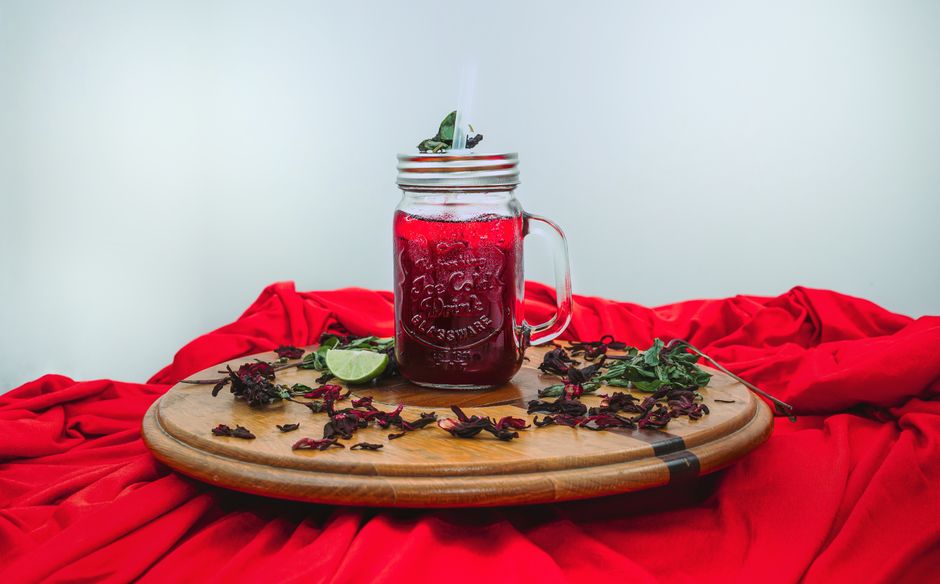
Hibiscus tea is one of the few herbal drinks with real clinical research behind it for blood pressure. To make it, steep 1 to 2 grams of dried hibiscus calyces in 8 ounces of hot water for 5 to 10 minutes, strain, and drink it warm or chilled. Some studies have found small reductions in systolic and diastolic blood pressure with daily consumption, though the effect is modest and not a replacement for prescribed medication.
How To Make Hibiscus Tea For High Blood Pressure
The basic method is simple. Bring water to a boil, pour it over dried hibiscus flowers, and let them steep. The quality of the flower and the steeping time matter more than any special technique.
Here is a straightforward approach:
- Use 1 to 2 grams of dried hibiscus calyces per 8 ounces of water. That is roughly 1 to 2 teaspoons of loose dried flowers.
- Heat water to just below boiling, around 200 to 212 degrees Fahrenheit.
- Pour over the flowers and cover the cup. Covering helps keep the volatile compounds in.
- Steep for 5 to 10 minutes. Longer steeping makes a more tart, stronger tea.
- Strain the flowers out. Drink warm or refrigerate and serve over ice.
Some people add a sweetener. If you do, keep it minimal. Large amounts of sugar work against the blood pressure benefits you are trying to get. A slice of orange or a few mint leaves can soften the tartness without adding sugar.
You can also make it in larger batches. Steep 8 to 10 grams of dried hibiscus in a quart of hot water, then refrigerate. Drink it within a couple of days.
What Does the Research Actually Show?
The evidence is real but modest. Multiple small clinical trials and at least one meta-analysis have looked at hibiscus tea and blood pressure. Most found average reductions in systolic blood pressure in the range of a few points, with smaller or inconsistent effects on diastolic pressure.
That matters because a few points can be meaningful at a population level. But it is not the same as a blood pressure medication, which can lower readings by much larger margins. Anyone hoping to replace medication with tea is likely to be disappointed and possibly harmed.
The proposed mechanism involves compounds in hibiscus called anthocyanins and other polyphenols. These appear to have mild vasodilating effects, meaning they may help blood vessels relax. Some research also points to a mild diuretic effect. The exact pathway is not fully understood, and researchers are still working out how much of the effect is real versus noise from small studies.
What is clear is that drinking hibiscus tea is not harmful for most healthy adults at normal amounts. What is not clear is how large the benefit is for any one person, or whether it holds up in larger, longer trials.
How Much Should You Drink?
Most studies that showed a blood pressure effect used 1 to 2 cups per day, sometimes more. There is no official recommended dose for hibiscus tea for blood pressure because it is not a regulated medication.
A reasonable approach based on the research is 1 to 3 cups daily. More is not necessarily better. Very large amounts could cause stomach upset or interact with medications.
If you are taking blood pressure medication, talk to your doctor before adding hibiscus tea to your routine. The combination could lower blood pressure more than intended.

Who Should Be Careful With Hibiscus Tea?
Hibiscus tea is generally well tolerated, but it is not right for everyone.
People taking diuretics, blood pressure medications, or medications that affect potassium levels should check with a clinician first. Hibiscus may have mild diuretic properties, and combining it with prescription diuretics could shift electrolyte balance.
Pregnant women should avoid hibiscus tea. Some traditional uses and animal studies suggest it could affect hormone levels or uterine activity. No clinical guidelines establish a safe amount during pregnancy, so the conservative choice is to skip it.
People with low blood pressure should also be cautious. If your readings already run low, adding something that may lower them further is not wise.
Anyone scheduled for surgery should mention hibiscus tea use to their care team, since it may affect blood pressure during and after the procedure.
Does the Type of Hibiscus Matter?
Yes. The species used in most blood pressure research is Hibiscus sabdariffa, also called roselle. The dried calyces, which are the fleshy red parts around the base of the flower, are what you steep.
Many products sold as “hibiscus tea” in stores are blends. Some contain H. sabdariffa. Others use different hibiscus species or mix in other ingredients. If you want the type studied for blood pressure, look for products that list Hibiscus sabdariffa or roselle as the main ingredient.
Bagged tea works, but loose dried calyces tend to give a stronger brew and let you control the amount more precisely. Either way, check the label. A tea that is mostly rosehip or orange peel with a little hibiscus will not deliver the same compounds.
What Else Helps Blood Pressure Besides Tea?
Hibiscus tea is a small piece of a larger picture. The habits with the strongest evidence for lowering blood pressure are well established.
- Reducing sodium intake. Most US adults consume more sodium than recommended.
- Eating a diet rich in fruits, vegetables, and low-fat dairy, such as the DASH eating pattern.
- Getting regular physical activity, aiming for at least 150 minutes of moderate activity per week.
- Maintaining a healthy weight. Even modest weight loss can lower blood pressure.
- Limiting alcohol and not smoking.
- Managing stress and getting enough sleep.
These steps have far more evidence behind them than any single herbal tea. Hibiscus tea can be a pleasant addition to a routine that already includes them. It is not a substitute.
If your blood pressure is consistently at or above 130/80 mmHg, that meets the threshold for stage 1 hypertension under current US guidelines. At that point, lifestyle changes alone may not be enough, and a clinician should be involved in your care.
Can Hibiscus Tea Replace Blood Pressure Medication?
No. This is the most important point in this article.
High blood pressure is often called a silent condition because it usually has no symptoms until damage is done. Uncontrolled hypertension raises the risk of heart attack, stroke, kidney disease, and vision loss. The medications used to treat it have been tested in large trials and shown to reduce those risks.
Hibiscus tea has not been tested in trials large enough or long enough to show it reduces heart attacks or strokes. The blood pressure reductions seen in small studies are modest. Stopping or reducing prescribed medication to rely on tea could lead to serious harm.
If you want to add hibiscus tea to your routine alongside your prescribed treatment, that is a conversation to have with your doctor. Some people may be able to adjust medication over time under medical supervision if their blood pressure improves. That decision belongs with a clinician, not with a tea package.
How Should You Store and Prepare It?
Dried hibiscus calyces keep well in an airtight container away from light and heat. They can stay potent for up to a year or so, though the color and flavor fade over time.
Fresh-brewed tea is best. If you make a batch, refrigerate it and drink it within two to three days. Discard it if it smells off or looks cloudy.
Avoid adding large amounts of sugar or honey. Both add calories and can work against the blood pressure benefits you are after. If you need sweetness, a small amount of stevia or a squeeze of citrus is a better choice.
Frequently Asked Questions
How many cups of hibiscus tea should I drink for blood pressure?
Most studies showing a blood pressure effect used 1 to 3 cups per day. There is no official recommended dose because hibiscus tea is not a regulated medication.
Can I drink hibiscus tea if I take blood pressure medication?
Talk to your doctor first, because combining them could lower your blood pressure more than intended. Do not stop or change your medication without medical guidance.
Is hibiscus tea safe during pregnancy?
Pregnant women should avoid hibiscus tea. No clinical guidelines establish a safe amount during pregnancy, and some animal studies suggest it could affect hormone levels.
Does hibiscus tea lower blood pressure quickly?
Any effect would come from regular daily consumption over weeks, not from a single cup. The reductions seen in research are modest and build over time.
