
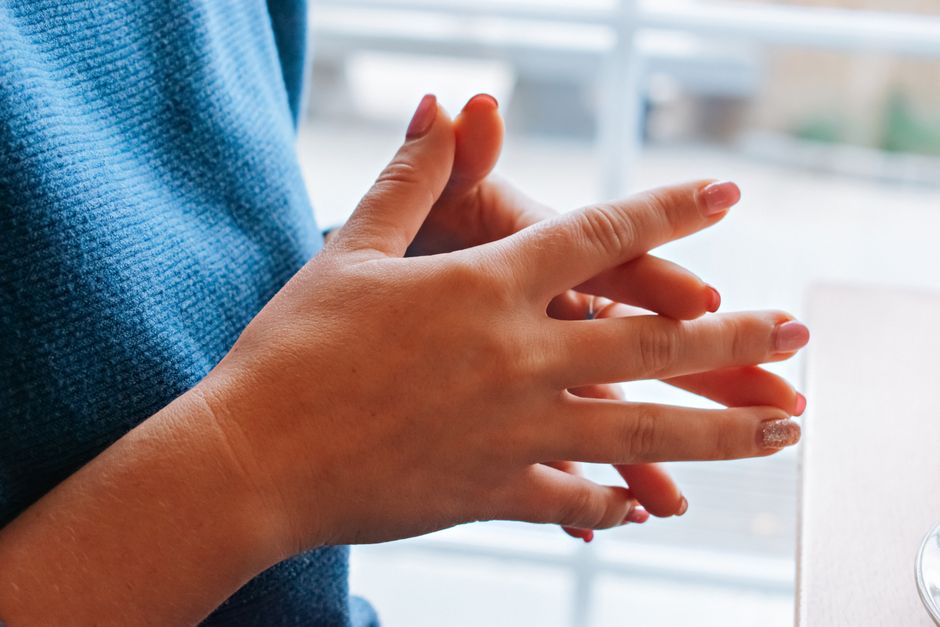
Yes, hand flapping is a common form of stimming in children with autism. Stimming is short for self-stimulatory behavior, and it includes repetitive movements or sounds. Hand flapping is one of the most recognized types. It is not a problem that needs fixing. It is a natural way many autistic children regulate their sensory system and emotions.
What Exactly Is Stimming and How Does Hand Flapping Fit In?
Stimming refers to repetitive body movements or repetitive sounds. For autistic individuals, stimming serves several important functions. It can help manage overwhelming sensory input. It can also help a child focus or express excitement.
Hand flapping is one specific stimming behavior. A child might wave their hands up and down or side to side. They might do this when they are happy, anxious, overstimulated, or trying to concentrate. It is not random. It serves a purpose for that child in that moment.
Current research suggests stimming is a natural part of human development. Many young children without autism also flap their hands. The difference is that autistic children may stim more often, for longer periods, and in ways that are more noticeable to others.
What Does the Research Actually Say About Hand Flapping and Autism?
Research shows that hand flapping is not unique to autism, but it is more common in autistic children. A 2017 study in the Journal of Autism and Developmental Disorders found that repetitive motor behaviors like hand flapping are among the earliest signs of autism. Parents often notice them before a child’s first birthday.
Studies have also found that stimming is not a sign of distress in itself. One study published in Autism Research in 2019 looked at why autistic children stim. The researchers found that stimming often happens during positive emotions like joy or excitement. It also happens during times of sensory overload or anxiety.
The evidence is clear: hand flapping is a coping mechanism. It is not a behavior that needs to be stopped unless it causes harm. Some people report that trying to suppress stimming leads to more stress and meltdowns. Current research supports this observation.
Is Hand Flapping Stimming In Children With Autism a Sign of Something Wrong?
No. Hand flapping is not a sign that something is wrong with your child. It is a sign that your child is processing their environment in a way that works for them.
Many parents worry that hand flapping means their child is anxious or upset. Sometimes it does. But often it means the opposite. A child might flap their hands because they are happy to see a favorite toy or excited about a song. The context matters more than the behavior itself.
There is no clinical evidence that hand flapping is harmful on its own. The only time it becomes a concern is if the child hurts themselves or others. For example, if a child hits their own face or head while flapping, that needs attention. Otherwise, hand flapping is a neutral behavior.
This is where many online articles get it wrong. They frame stimming as a problem to solve. The truth is more nuanced. Stimming is a tool. It helps the child regulate. Taking that tool away without giving a replacement can cause real distress.





When Should Parents Be Concerned About Hand Flapping?
Hand flapping by itself is not a red flag. But there are situations where it is worth discussing with a doctor or specialist.
Consider talking to a professional if:
- Your child flaps their hands so much that it interferes with daily activities like eating or playing
- The flapping causes physical harm such as hitting their own head or eyes
- Your child seems distressed and cannot stop flapping even when they want to
- Hand flapping appears suddenly after age 3 without an obvious trigger
These situations are uncommon. Most children who flap their hands do not have these problems. But if you notice them, it is worth getting an evaluation. A developmental pediatrician or occupational therapist can help you understand what is happening.
One non-obvious insight: hand flapping that appears for the first time in an older child or adult can sometimes be a sign of a medical issue. Seizures, tic disorders, or side effects from medication can cause new repetitive movements. This is rare, but it is worth knowing.
How Does Hand Flapping Compare to Other Types of Stimming?
Hand flapping is one of many stimming behaviors. Different children prefer different types. Here is how hand flapping compares to other common forms of stimming:
| Type of Stimming | Common Examples | Typical Triggers | Is It Usually a Concern? |
|---|---|---|---|
| Hand flapping | Waving hands up and down or side to side | Excitement, joy, sensory overload, concentration | No, unless it causes harm |
| Rocking | Rocking back and forth while sitting or standing | Anxiety, boredom, need for calming input | No, very common and usually harmless |
| Spinning | Spinning in circles or spinning objects | Seeking vestibular input, enjoyment | Usually no, but watch for falls |
| Vocal stimming | Humming, repeating sounds, echolalia | Self-soothing, processing language, excitement | No, unless it disrupts communication |
| Chewing or biting | Chewing on clothing, toys, or hands | Oral sensory needs, anxiety, teething in young kids | Yes if it causes injury or damage to items |
This table is not a diagnostic tool. It is just a way to see how hand flapping fits into the bigger picture. Most stimming behaviors follow the same pattern: they serve a need and are not harmful.
What Should Parents Do If Their Child Flaps Their Hands?
The short answer is: nothing, unless it causes a problem. Let your child stim. It helps them feel better and stay regulated.
If you feel pressure from family members or teachers to stop the flapping, you can explain that it is a natural behavior. You can say something like: “This is how my child processes excitement or stress. It is not harmful, and stopping it would cause more distress.”
There are some practical things you can do if you want to support your child:
- Notice when and why your child flaps. Is it during happy moments? During transitions? This can help you understand their needs.
- Do not force them to stop. If you are worried about social stigma, focus on teaching the child that stimming is okay rather than trying to hide it.
- Offer alternatives only if the flapping causes harm. An occupational therapist can suggest safe replacement movements.
- Advocate for your child at school. Many schools now understand that stimming is a support, not a disruption.
One thing to avoid: punishing a child for flapping. This can teach them that their natural coping mechanisms are wrong. It can increase anxiety and lead to more meltdowns. As of 2026, the consensus among autism researchers and self-advocates is clear: stimming should be accepted, not suppressed.
What About Therapies That Try to Stop Hand Flapping?
Some older behavioral therapies tried to stop stimming entirely. This approach is now widely criticized. Many autistic adults report that being forced to stop stimming caused them lasting harm. They describe it as exhausting and traumatic.
Evidence indicates that suppressing stimming does not help the child. It may make them appear more typical in public, but it comes at a cost. The child loses a tool that helps them cope. They may develop other behaviors like anxiety, shutdowns, or meltdowns.
Modern therapy approaches focus on understanding the function of stimming. If a child flaps their hands because they are overwhelmed, the goal is to reduce the sensory overload, not stop the flapping. If they flap because they are excited, that is a positive thing. No intervention is needed.
The only exception is if the stimming causes injury. In that case, an occupational therapist can help find a safer replacement. For example, if a child hits their head while flapping, a therapist might teach them to flap while holding a soft object. The goal is safety, not suppression.
Frequently Asked Questions
Is hand flapping always a sign of autism?
No. Many young children without autism flap their hands, especially when excited. Hand flapping is common in autism but not exclusive to it.
Should I stop my child from flapping their hands?
No. Unless the flapping causes physical harm, it is best to let your child stim. Stopping it can cause more stress and anxiety.
At what age do autistic children start hand flapping?
Some children start as early as 6 to 12 months. It often becomes more noticeable between ages 2 and 3, but it varies widely.
Can hand flapping go away on its own?
Some children stim less as they get older, but many continue into adulthood. It is not something that needs to go away.
