

Seeing green in the toilet bowl can be startling. Most people assume something is seriously wrong, but green stool is usually harmless and temporary. The color often comes from something you ate, a medication you took, or a minor digestive upset. In most cases, it resolves on its own within a day or two. However, there are specific situations where green stool warrants a call to your doctor. This article explains the common causes, when to worry, and what you should do.
What Causes Green Stool?
Stool gets its normal brown color from bilirubin, a byproduct of broken-down red blood cells. The liver processes bilirubin and sends it to the intestines. Bacteria in the gut then convert it into a brown pigment. If that process is rushed or interrupted, the stool can appear green.
Bile itself is green. When food moves through the digestive tract too quickly, bile doesn’t have time to break down into brown pigments. This is the most common mechanism behind green stool. Diarrhea often causes this because the transit time is shortened.
Several everyday factors can trigger this rapid transit or directly add green pigment to your stool.
Is Green Stool Bad If You Ate Green Foods?
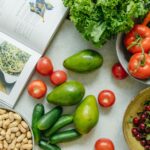
Diet is the most common cause of green stool. Leafy green vegetables like spinach, kale, and broccoli contain chlorophyll, which can pass through undigested and color your stool. This is completely normal and not a sign of illness.
Foods with artificial green coloring can have the same effect. This includes green gelatin, candy, frosting, sports drinks, and some cereals. Even dark-colored foods like blueberries or black licorice can sometimes produce greenish-black stool.
If you recently ate a large salad or green-dyed treats, the green color is likely food-related. No treatment is needed. The color will return to normal once the food passes through your system.
Can Medications or Supplements Turn Stool Green?
Yes. Several common medications and supplements can change stool color. Iron supplements often darken stool, and in some people, they produce a greenish tint. This is not harmful.
Some antibiotics can alter the balance of bacteria in your gut. Since gut bacteria are responsible for converting bile into brown pigment, a shift in that balance can leave stool green. This usually resolves after you finish the course of antibiotics.
Other culprits include:
- Laxatives that speed up bowel transit
- Medications containing bismuth subsalicylate (like Pepto-Bismol), which can turn stool dark green or black
- Certain herbal supplements or detox teas with green ingredients
If you recently started a new medication and notice green stool, check the label or ask your pharmacist. In most cases, this is a harmless side effect.


What Digestive Conditions Are Linked to Green Stool?
Green stool is sometimes a sign that food is moving through your intestines too quickly. Conditions that cause diarrhea or rapid transit can produce green stool. This includes food poisoning, viral gastroenteritis, and irritable bowel syndrome with diarrhea.
In these cases, the green color is not the problem itself. It’s a symptom of the underlying digestive upset. Once the diarrhea resolves, the stool color typically returns to normal.
Certain conditions that affect fat absorption can also cause green stool. When the body cannot absorb fat properly, the stool may appear greasy, float, and take on a green or pale yellow color. Conditions like celiac disease, Crohn’s disease, or gallbladder problems can cause this. If you consistently have greasy, foul-smelling green stool, you should mention it to your doctor.
When Should You See a Doctor About Green Stool?
Most cases of green stool do not require medical attention. You can wait and see if the color returns to normal within a day or two. Watch for other symptoms that may indicate a more serious issue.
Contact a doctor if green stool is accompanied by any of these signs:
- Blood in the stool or black, tarry stool
- Severe or persistent abdominal pain
- Diarrhea lasting more than a few days
- Signs of dehydration, such as extreme thirst, dry mouth, or reduced urination
- Fever above 101°F (38.3°C)
- Unexplained weight loss
Blood in the stool can appear red or can be dark and tarry. Green stool with visible blood is a different situation than green stool alone. That combination should be evaluated promptly.
For infants, green stool is often normal, especially in breastfed babies. However, if your baby has green stool with fever, blood, or signs of dehydration, contact a pediatrician.
Is Green Stool Bad for Pregnant Women?
Pregnancy causes many digestive changes. Hormonal shifts can speed up or slow down bowel transit. Prenatal vitamins, especially those containing iron, can also change stool color. Green stool during pregnancy is generally not a cause for concern.
The same rules apply during pregnancy. If green stool occurs with severe abdominal pain, blood, or persistent diarrhea, seek medical advice. Dehydration from diarrhea is a genuine concern during pregnancy and should be addressed promptly.
No specific clinical guidelines exist for green stool during pregnancy because it is not considered a distinct medical condition. The underlying cause determines whether treatment is needed.
How to Prevent Green Stool
Prevention depends on the cause. If your green stool is food-related, no prevention is needed. You can simply note which foods trigger it and decide whether to limit them.
If antibiotics are the cause, the color should normalize after treatment. You can support your gut bacteria by eating a balanced diet with fiber-rich foods, but this will not necessarily speed up the color change.
For diarrhea-related green stool, focus on staying hydrated. Clear fluids like water, broth, and oral rehydration solutions are appropriate. Over-the-counter anti-diarrheal medications can help, but you should not use them if you have a fever or blood in your stool. In those cases, check with a doctor first.
There is no evidence that any specific diet prevents green stool. The best approach is to pay attention to your body and note any patterns.
Frequently Asked Questions
What does green stool mean?
It usually means food moved through your intestines faster than normal, so bile didn’t break down into brown pigment. It can also come from eating green foods or taking certain medications.
Can green stool be a sign of cancer?
Green stool alone is not a sign of cancer. Persistent changes in stool color, especially with blood, weight loss, or pain, should be evaluated, but green color by itself is not a cancer warning sign.
How long does green stool last?
It typically lasts one to two days. Once the trigger food passes through your system or the digestive upset resolves, your stool should return to its normal brown color.
Is green stool an emergency?
No, green stool alone is not an emergency. Seek medical care if it comes with severe pain, blood, high fever, or signs of dehydration.
