
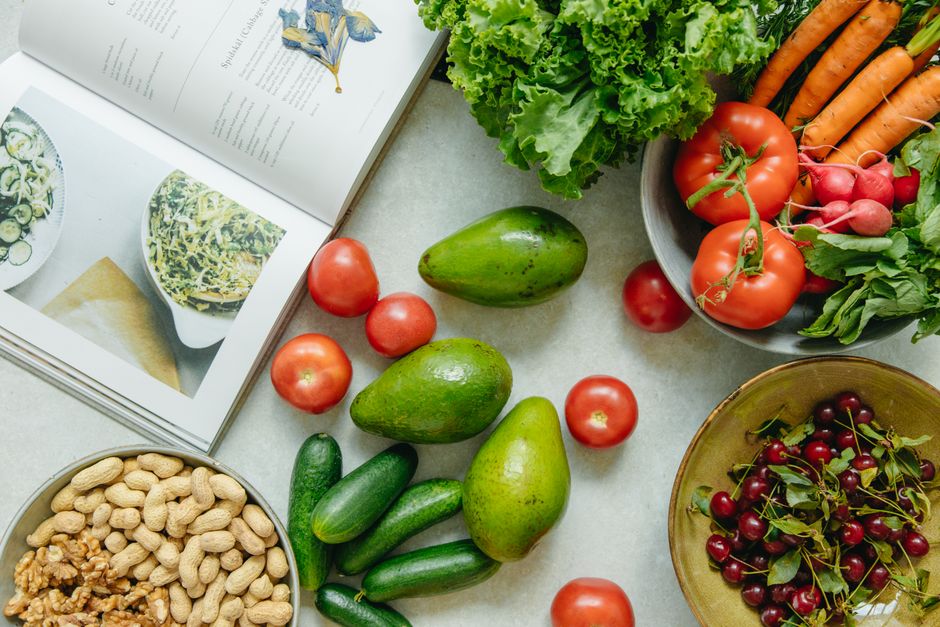
Avocados are famous for being impossible to buy at the right moment. You either get a rock-hard fruit that sits on the counter for a week, or you slice one open and find brown streaks running through the flesh. The good news is that you are not at the mercy of the grocery store’s produce section. You can control the ripening process at home with a few simple techniques that work with the fruit’s natural biology.
How Does an Avocado Actually Ripen?
Avocados do not ripen on the tree. They stay hard and green until after they are picked. Once harvested, the fruit begins producing ethylene gas, a natural plant hormone that triggers the ripening process. This gas breaks down the cell walls, converting starches into sugars and softening the flesh.
Temperature plays a major role in how fast this happens. Warm temperatures speed up ethylene production. Cold temperatures slow it down dramatically. This is why a ripe avocado keeps well in the refrigerator but turns brown quickly on a warm counter.
Understanding this mechanism is the key to ripening avocados on demand. You are not doing anything magical. You are simply controlling the temperature and the concentration of ethylene gas around the fruit.
How To Make Avocados Ripen Quickly: The Paper Bag Method
The most reliable way to speed up ripening is the paper bag method. Place the avocado in a plain brown paper bag, fold the top closed, and leave it on the kitchen counter at room temperature.
The bag traps the ethylene gas that the avocado naturally produces. Higher concentrations of ethylene signal the fruit to ripen faster. Most avocados will soften within one to three days using this method, depending on how hard they were when you started.
Do not use a plastic bag. Plastic traps moisture as well as gas, which can lead to mold growth and rotting before the avocado ripens properly. A paper bag allows the fruit to breathe while still concentrating the ethylene.
Check the avocado daily. Gently press the skin near the stem end. If it yields slightly to firm pressure, it is ready to eat. If it feels mushy or the skin dimples deeply, you have gone too far.
Does Adding an Apple or Banana Speed Things Up?
Yes, and the reason is well established. Apples, bananas, and kiwis also produce ethylene gas as they ripen. Adding one of these fruits to the paper bag increases the ethylene concentration even further, which can shave a day off the ripening time.
A ripe banana works best because it produces a high amount of ethylene. Place the banana and the avocado together in the bag, close it, and check daily. This combination can ripen a hard avocado in roughly one to two days.
This method is not a magic trick. It simply increases the gas concentration that the avocado is already exposed to. The fruit ripens faster because it receives a stronger chemical signal, not because the banana transfers anything directly to the avocado.
One caveat: the banana will also ripen faster in the bag. If you are saving the banana for later, this may not be the best trade-off.





What About the Oven or Microwave?
You may have seen videos suggesting you bake an avocado to ripen it. This does not work the way people think. Heat does soften the flesh, but it does not complete the ripening process. The starches do not convert to sugars the same way, and the flavor remains bitter and starchy.
Microwaving an avocado has the same problem. It can make the fruit warm and slightly softer, but it does not produce a creamy, nutty-flavored avocado. It produces a warm, bland, sometimes rubbery one.
Neither method is recommended. If you need an avocado today and only have a rock-hard one, your best option is to use it differently. Shredded or mashed avocado that is not fully ripe still works in smoothies, guacamole with strong seasonings, or baked into recipes where texture matters less.
There is no shortcut that changes the chemistry of an unripe avocado. The ripening process takes time, and heat alone does not replicate it.
How To Slow Down Ripening Once It Starts
Once an avocado reaches the stage you want, you need to stop the process. The refrigerator is your tool here. Cold temperatures dramatically slow ethylene production, which halts further ripening.
A ripe avocado will keep in the fridge for two to three days. An unripe avocado should never go in the fridge. The cold will stop the ripening process entirely, and the fruit may never soften properly even after you bring it back to room temperature.
If you have cut an avocado and only used half, leave the pit in the unused half and squeeze lemon or lime juice over the exposed flesh. The acid slows browning, and the pit reduces the surface area exposed to air. Wrap it tightly in plastic wrap and refrigerate.
This method does not keep the avocado fresh indefinitely. It buys you a day or two at most. The flesh will eventually brown despite your best efforts.
How To Tell When an Avocado Is Perfectly Ripe
The most reliable test is gentle pressure. Hold the avocado in the palm of your hand and press lightly with your thumb. It should yield slightly without feeling mushy. If it feels like pressing on a firm water balloon, it is ready.
The stem test is also useful. Flick off the small brown stem nub at the top of the fruit. If the flesh underneath is green, the avocado is ripe. If it is brown, the avocado is likely overripe. If the stem does not come off easily, the avocado is not ready.
Color is a less reliable indicator. Some varieties, like Hass, darken as they ripen. Others stay green even when fully ripe. Do not rely on skin color alone, especially if you are buying a variety you do not recognize.
When in doubt, buy avocados at different stages. Ripen one on the counter for tomorrow and keep another in the fridge for later in the week. This way you always have one at the right stage.
Does Cutting an Avocado Open Speed Up Ripening?
No. Cutting an avocado does not speed up ripening. It stops the process entirely and starts the clock on spoilage. Once the flesh is exposed to air, enzymatic browning begins, and the fruit starts to degrade.
If you cut into an avocado and find it is not ripe, you cannot put it back together. The flesh will not continue ripening in the fridge. Your only option is to use it as-is or discard it.
This is why the pressure test matters. Check the avocado before you cut it. A few seconds of gentle pressure saves you from wasting a fruit that needs more time.
Do Avocado Ripening Pods or Devices Work?
There are commercial products designed to ripen avocados faster. Most are small containers or pods that claim to regulate ethylene gas. Some of these devices work by simply trapping the gas the avocado produces, similar to a paper bag.
The evidence for these products is limited. They may work, but they are essentially doing what a paper bag does for free. There is no published clinical or agricultural research that shows these devices outperform a simple brown bag.
If you already own one, use it. If you are considering buying one, know that a paper bag and a banana achieve the same result at no cost. The marketing around these products often overstates their uniqueness.
Frequently Asked Questions
How long does it take to ripen an avocado in a paper bag?
Most avocados ripen in one to three days in a paper bag at room temperature. Adding a banana or apple can shorten that to one to two days.
Can you ripen an avocado in the microwave?
No. The microwave softens the flesh but does not complete the ripening process, leaving the flavor bitter and starchy.
Should you put avocados in the refrigerator to ripen them?
No. The cold stops ripening entirely. Only refrigerate avocados after they are already ripe to keep them fresh for two to three more days.
What is the fastest way to ripen an avocado?
The fastest reliable method is placing the avocado in a paper bag with a ripe banana at room temperature. Check daily and remove once it yields to gentle pressure.
