
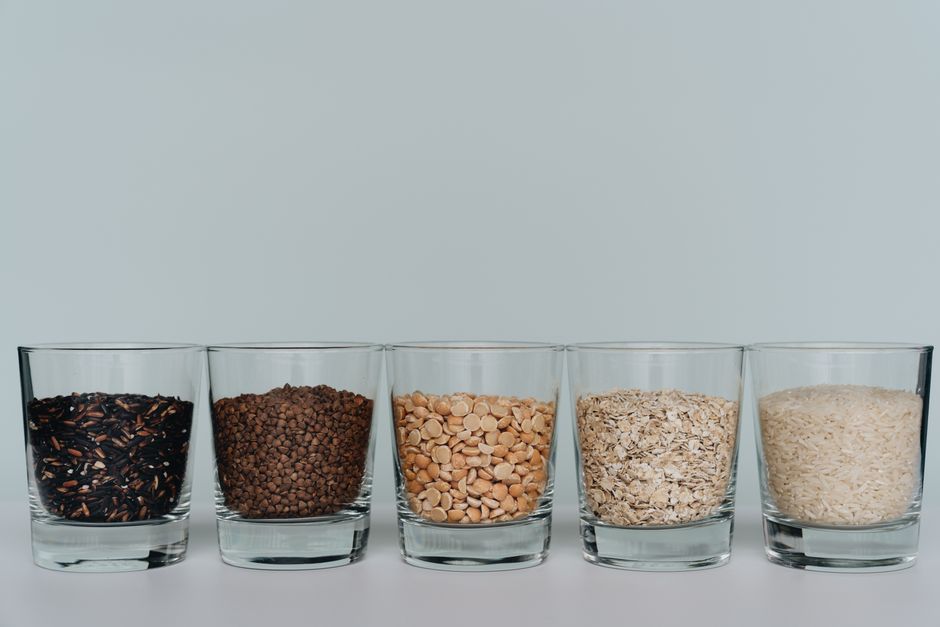
Gluten is a protein. More precisely, it is a family of proteins found naturally in certain grains, including wheat, barley, and rye. When you hear about gluten in bread, pasta, or baked goods, you are hearing about these specific storage proteins that give dough its stretchy, elastic texture.
What Exactly Is Gluten Made Of?
Gluten is not a single molecule. It is a combination of two main protein groups: glutenin and gliadin. These two groups work together to create the unique properties of wheat dough.
When flour mixes with water, glutenin and gliadin bind together. This network traps gas bubbles produced by yeast or baking powder. That trapped gas is what makes bread rise and gives it a chewy, airy structure. Without gluten, most traditional baked goods would be dense and crumbly.
Wheat is the most common source of gluten in the human diet. But barley and rye also contain gluten proteins. Some people also react to related proteins in oats, though oats themselves do not naturally contain gluten. Cross-contamination during growing or processing is often the real issue with oats.
Is Gluten Bad for Everyone?
No. For most people, gluten is a normal part of a balanced diet. The human digestive system breaks down gluten proteins like it breaks down other dietary proteins.
However, a small percentage of the population cannot tolerate gluten. The most serious condition is celiac disease. This is an autoimmune disorder where the body’s immune system attacks its own small intestine when gluten is present. Over time, this attack damages the villi, the tiny finger-like projections that absorb nutrients from food.
Celiac disease is not a food sensitivity. It is a medical condition with serious long-term consequences if left untreated. The only effective treatment is a strict, lifelong gluten-free diet.
There is also a condition called non-celiac gluten sensitivity. People with this condition report symptoms like bloating, fatigue, or brain fog after eating gluten. But they do not test positive for celiac disease or a wheat allergy. The evidence for this condition is real, but the exact mechanism is still not fully understood. Some research suggests that other components of wheat, not just gluten, may be responsible for symptoms in some people.
How Does Gluten Affect People with Celiac Disease?
In celiac disease, the immune system mistakes gluten for a threat. It launches an attack that damages the lining of the small intestine. This damage interferes with the absorption of essential nutrients, including iron, calcium, and folate.
Symptoms of celiac disease vary widely. Some people experience severe digestive distress. Others have almost no digestive symptoms at all. Instead, they may suffer from anemia, chronic fatigue, bone loss, or unexplained weight loss. Because symptoms are so varied, celiac disease is often underdiagnosed.
Diagnosis requires a blood test that looks for specific antibodies, followed by an intestinal biopsy to confirm the damage. A gluten-free diet is the only treatment. When gluten is removed, the intestine can heal, and symptoms typically improve.





What Foods Contain Gluten?
Gluten is present in any food made from wheat, barley, or rye. This includes obvious items like bread, pasta, cereal, and baked goods. But gluten can also hide in less obvious places.
- Sauces and gravies often use wheat flour as a thickener
- Soy sauce is typically brewed with wheat
- Beer is usually made from barley
- Processed meats may contain wheat-based fillers
- Soups and salad dressings may include gluten as a stabilizer
- Some medications and supplements use wheat starch as a binding agent
For people with celiac disease, reading ingredient labels carefully is essential. Food manufacturers in the United States are required to label products that contain wheat. However, barley and rye are not always listed clearly on labels. This makes it harder to identify gluten from these grains.
Is a Gluten-Free Diet Healthier?
No clinical evidence currently confirms that a gluten-free diet is healthier for people without celiac disease or gluten sensitivity. Many people assume gluten-free foods are better for weight loss or general wellness. The evidence does not support this.
Gluten-free versions of processed foods are often higher in sugar, fat, and calories than their gluten-containing counterparts. Manufacturers frequently add extra ingredients to mimic the texture and taste of wheat. These substitutes can be less nutritious than the original product.
Whole grains that contain gluten, like whole wheat, are a good source of fiber, B vitamins, and minerals. Cutting them out without a medical reason can reduce your intake of these important nutrients. Fiber is especially important for digestive health, and many people already do not get enough of it.
Some research suggests that a gluten-free diet may alter the gut microbiome, the community of bacteria living in the digestive tract. Whether this has meaningful health effects is not yet clear. More studies are needed before any firm conclusions can be drawn.
Why Do Some People Feel Better on a Gluten-Free Diet?
This is a complicated question. Some people genuinely feel better when they stop eating gluten. The reasons may not always be about gluten itself.
One possibility is that these people have undiagnosed celiac disease. Studies have found that many people with celiac disease go undiagnosed for years. If you suspect celiac disease, getting tested before trying a gluten-free diet is important. If you remove gluten before testing, the test results may be inaccurate.
Another possibility is that cutting out gluten reduces intake of FODMAPs. These are certain types of carbohydrates found in wheat and other foods. FODMAPs are poorly absorbed in the small intestine and can cause bloating, gas, and abdominal pain in sensitive people. When someone stops eating gluten, they often also reduce their FODMAP intake. The improvement in symptoms may come from reducing FODMAPs, not gluten itself.
Some people may also feel better simply because they are eating fewer processed foods. A gluten-free diet often requires cooking more meals at home and avoiding fast food. This change alone can improve how someone feels.
Is Gluten A Protein That Causes Inflammation?
In people with celiac disease, gluten triggers a specific immune response that causes inflammation in the small intestine. This is well established. The inflammation damages tissue and leads to the symptoms and complications of the disease.
In people without celiac disease, the picture is less clear. Some studies suggest that gluten may contribute to low-grade inflammation in certain individuals. Other studies have not found this effect. The evidence is mixed.
Some popular claims link gluten to systemic inflammation, joint pain, or skin problems in people without celiac disease. These claims are not supported by strong clinical evidence. If you have unexplained inflammation or pain, it is worth discussing with a doctor. But assuming gluten is the cause without testing is not based on current science.
Frequently Asked Questions
Is gluten a protein or a carbohydrate?
Gluten is a protein. It is made up of two protein groups called glutenin and gliadin. It is not a carbohydrate, though it is often found in foods that also contain carbohydrates like bread and pasta.
Can gluten be removed from wheat?
No, gluten is naturally part of the wheat grain. Wheat varieties with lower gluten content exist, but no wheat is completely gluten-free. Foods labeled gluten-free are made from other grains like rice, corn, or quinoa.
How do I know if I am sensitive to gluten?
See a doctor before eliminating gluten from your diet. A blood test can check for celiac disease. If that test is negative, your doctor may recommend an elimination diet to see if your symptoms improve when gluten is removed.
Is gluten in all whole grains?
No. Gluten is only in wheat, barley, rye, and their hybrids. Grains like rice, corn, oats, quinoa, and millet are naturally gluten-free. Oats are often processed in facilities that also handle wheat, so check labels for certified gluten-free oats.
