
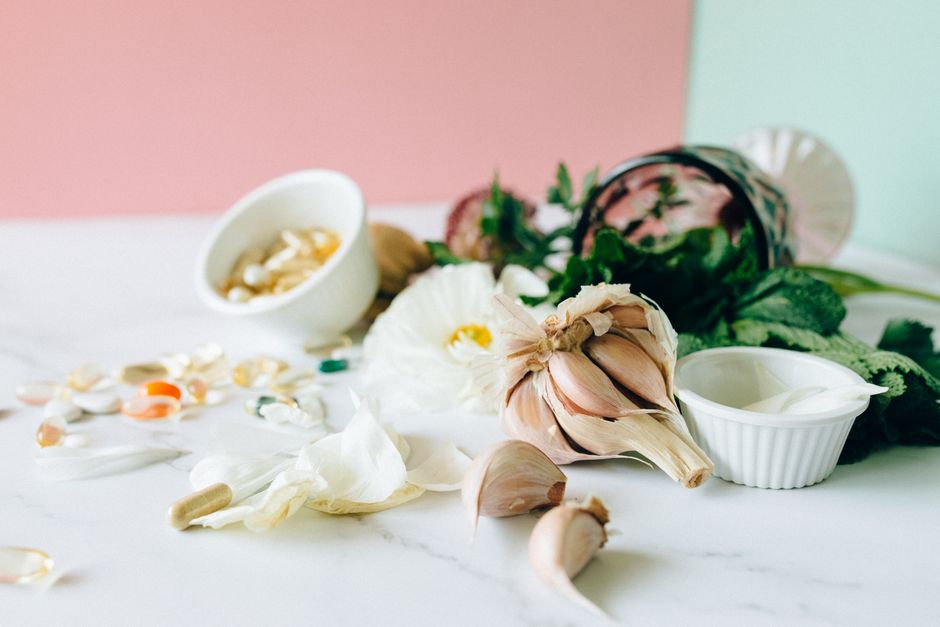
Garlic is a vegetable. Botanically speaking, it is a bulbous vegetable that belongs to the genus Allium, which also includes onions, leeks, shallots, and chives. In everyday cooking and grocery shopping, though, it is usually treated as an herb or a seasoning rather than a vegetable you would serve as a side dish. Both views are correct in their own context.
The confusion comes from the fact that garlic does not look or taste like the vegetables most people picture. It grows underground, it is used in tiny amounts, and it flavors a dish rather than making up a dish on its own. But none of those things change its botanical identity.
What Makes Garlic a Vegetable Botanically?
Botanists classify garlic as a vegetable because of how the plant is structured and how it is used. A vegetable is generally defined as any edible part of a plant that is not a fruit, seed, or flower. Garlic fits that definition cleanly.
The part of garlic that people eat is the bulb. A bulb is a storage organ that develops underground and holds energy the plant needs to grow. The bulb is made up of individual sections called cloves. Each clove is a small package of plant tissue that can sprout into a new garlic plant.
Because the edible portion is a plant part and not a reproductive structure, garlic lands firmly in the vegetable category. This is the same reasoning that puts onions, potatoes, carrots, and beets on the vegetable list.
The Allium Family Connection
Garlic belongs to the Allium genus, a group of plants known for their strong smell and flavor. The compounds responsible for that pungency are sulfur-based. When garlic is chopped, crushed, or chewed, an enzyme and a sulfur compound inside the cells mix and react. That reaction produces allicin, the molecule most often linked to garlic’s aroma and its studied biological effects.
This chemistry is not unique to garlic. Onions, leeks, and chives produce related sulfur compounds through similar reactions when their cells are damaged. That shared chemistry is one reason these plants are grouped together both in botany and in nutrition research.
Why Do People Call Garlic an Herb Instead?
In cooking, garlic is almost always used like an herb or a spice. It is added in small amounts to build flavor, not served as a main ingredient. This practical use is why many cooks and even some dictionaries describe it as an herb.
There is no single official rule that settles the debate, because “vegetable” and “herb” are used differently depending on who is talking. Botanists use strict structural definitions. Chefs use functional ones. Nutritionists use yet another set of categories. Garlic can honestly be called all three without anyone being wrong.
Here is a detail that surprises many people. The word “vegetable” is not a scientific term at all. It has no fixed botanical definition. Botanists classify plants by family, genus, and species. “Vegetable” is a culinary and nutritional label that people apply loosely. So the question “is garlic a vegetable” is really a question about language and use, not about biology alone.
Is Garlic a Root Vegetable?
Garlic is not a root vegetable. It is a bulb, which is a modified underground stem surrounded by fleshy leaves that store food. This distinction matters to botanists even though it rarely matters in the kitchen.
Root vegetables are the underground roots of plants. Carrots, radishes, turnips, and sweet potatoes are common examples. Bulbs work differently. If you cut a garlic bulb in half, you can see the small flat stem at the base where the cloves attach. A carrot has no such structure.
Other bulbs include onions, shallots, and tulips. This is one reason garlic and onions behave so similarly in cooking and share so many of the same sulfur compounds.





Is Garlic a Vegetable Nutritionally?
Nutritionally, garlic is grouped with vegetables, but the amounts people eat are so small that it contributes very little to daily nutrient intake. A typical recipe might use one or two cloves. That is a few grams at most.
Garlic does contain small amounts of several nutrients. It provides vitamin B6, vitamin C, manganese, and some dietary fiber. It also contains trace amounts of calcium, iron, and potassium. But because serving sizes are tiny, these amounts are minor compared to what you would get from a real serving of a vegetable like broccoli or spinach.
The nutrients in garlic are real. They are just not present in large enough quantities to matter much in a normal diet. Anyone eating garlic for its vitamin content would need to eat far more than most people ever do.
Does Garlic Have Health Benefits?
Garlic has been studied more than almost any other culinary plant, and the results are mixed. Some research suggests benefits for blood pressure and cholesterol, but the evidence is not strong enough to treat garlic as a medicine.
Some studies indicate that garlic supplements may modestly lower blood pressure in people with high blood pressure. Other studies have found little or no effect. Results vary widely depending on the form of garlic used, the dose, and the population studied. The evidence is genuinely mixed, and no major health organization recommends garlic as a treatment for high blood pressure.
Research on garlic and cholesterol shows a similar pattern. Some trials report small improvements. Others find none. A review of many studies would be needed to draw firm conclusions, and even then the effects appear small.
Garlic has also been studied for its effects on the immune system, on blood clotting, and on cancer risk. For most of these areas, the evidence is early or inconsistent. No clinical evidence currently confirms that eating garlic prevents or treats any specific disease.
One practical caution is worth stating plainly. Garlic can thin the blood and may increase bleeding risk. People taking blood-thinning medications, or those scheduled for surgery, should talk with a doctor before taking garlic supplements. This is a real interaction, not a theoretical one.
How Is Garlic Used Around the World?
Garlic is one of the most widely used flavoring plants on earth. It appears in the cooking of nearly every culture, from Mediterranean and Middle Eastern food to Chinese, Indian, Korean, and Latin American dishes.
The way garlic is prepared changes its flavor and its chemistry. Crushing or chopping garlic triggers the reaction that creates allicin. Cooking then breaks much of that compound down. This is why raw garlic tastes sharp and pungent while cooked garlic tastes milder and sweeter.
Letting chopped garlic rest for a few minutes before cooking is a common kitchen habit. Some research suggests this brief pause allows more of the sulfur compounds to form before heat destroys the enzyme responsible. The practical health impact of this step is not well established, but it does not hurt and many cooks do it anyway.
Garlic also comes in many processed forms, including powder, paste, oil, and supplements. These are not interchangeable. Garlic powder and paste are foods. Supplements are concentrated products with their own dosing and safety concerns, and they are not regulated the same way as medications.
Common Misconceptions About Garlic
A few claims about garlic circulate widely and deserve a direct response.
- Garlic cures colds. No clinical evidence confirms this. Some small studies have looked at garlic for cold prevention, but the results are not strong enough to support the claim.
- Garlic is a superfood that prevents disease. Garlic contains compounds that have shown activity in laboratory studies. Laboratory results do not automatically translate into health benefits in people.
- Garlic supplements are the same as eating garlic. They are not. Supplements vary in what they contain, and many do not deliver the same compounds found in fresh garlic.
- Garlic is a root. It is a bulb, which is a different plant structure entirely.
The pattern here is familiar. A plant with real chemistry and real cultural importance gets wrapped in claims that go far beyond what the evidence supports. Garlic is a vegetable, a flavorful ingredient, and a subject of ongoing research. It is not a proven treatment for anything.
Frequently Asked Questions
Is garlic a vegetable or an herb?
Garlic is botanically a vegetable because the edible bulb is a plant part rather than a fruit, seed, or flower. In cooking it is usually treated as an herb or seasoning because it is used in small amounts for flavor.
Is garlic a root vegetable?
No, garlic is a bulb, not a root. A bulb is a modified underground stem surrounded by storage leaves, which is why it looks and grows differently from true root vegetables like carrots.
Does garlic count toward my daily vegetable intake?
Technically yes, but the amounts people eat are so small that garlic adds almost nothing to daily vegetable intake. A clove or two provides only trace amounts of nutrients.
Is garlic good for your health?
Some studies suggest garlic may modestly affect blood pressure and cholesterol, but the evidence is mixed and no major health organization recommends it as a treatment. Garlic can also increase bleeding risk, so anyone on blood thinners should check with a doctor before using supplements.
