
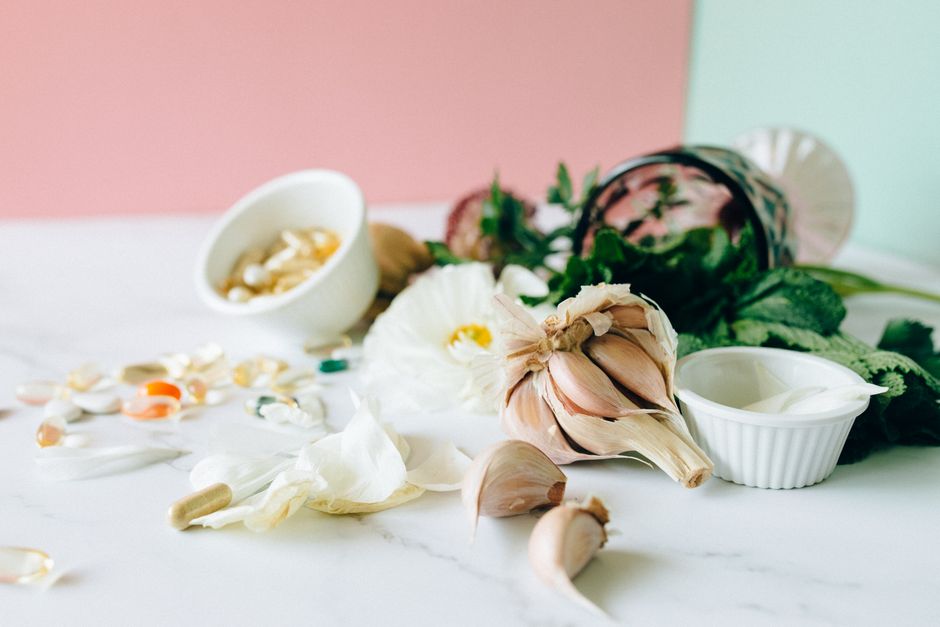
Raw garlic has the strongest evidence behind it. That is the short answer. Crushing or chopping a raw clove triggers a chemical reaction that produces allicin, the compound most studied for cardiovascular and antimicrobial effects. Black garlic and aged garlic extract take different paths. Both reduce the harshness of raw garlic, and both show some health benefits in research. But the evidence for each is narrower and, in several areas, still emerging.
Which Garlic Is Best For Health: Raw, Black, or Aged?
Raw garlic wins on evidence, but not by as wide a margin as most people assume. Each form has a distinct chemical profile, and that profile determines what the research actually supports.
Raw garlic contains alliin, an odorless compound. When you crush, chop, or chew a clove, an enzyme called alliinase converts alliin into allicin. Allicin is unstable and short-lived. It breaks down into other sulfur compounds that researchers believe drive much of garlic’s biological activity.
Black garlic is raw garlic that has been heated and fermented under controlled humidity for weeks. This process turns the cloves dark, soft, and sweet. It also converts many of the harsh sulfur compounds into water-soluble ones. Allicin is largely gone. What remains are compounds with antioxidant activity that researchers continue to study.
Aged garlic extract is raw garlic soaked in alcohol or water for months, sometimes years. The aging process converts allicin into stable, water-soluble compounds such as S-allyl cysteine. This is the form used in most long-term garlic clinical trials.
So the honest comparison is not “which one is healthiest” but “what does the evidence show for each.”
| Form | Key Compounds | Allicin Content | Evidence Strength |
|---|---|---|---|
| Raw garlic | Allicin, ajoene, sulfur compounds | High when crushed | Strongest overall |
| Black garlic | Water-soluble antioxidants, melanoidins | Very low | Limited human trials |
| Aged garlic extract | S-allyl cysteine, stable thiosulfinates | Low | Moderate, mostly cardiovascular |
What Does Raw Garlic Actually Do for Health?
Raw garlic has the most research behind it of any garlic form. The strongest findings relate to blood pressure and cholesterol, though the effects are modest.
Some studies suggest raw garlic may help lower total cholesterol and LDL cholesterol slightly when consumed regularly. The effect is real but small. It does not replace statins or other lipid-lowering medications, and no major guideline lists garlic as a primary treatment for high cholesterol.
Blood pressure findings are similar. Some trials show a small reduction in systolic and diastolic pressure with regular garlic intake. The reductions are modest, typically a few points. For someone with mildly elevated blood pressure, that might matter. For someone with hypertension, garlic is not a substitute for prescribed medication.
Garlic also has antimicrobial properties in laboratory settings. Whether those translate to meaningful effects in the human body is less clear. Some research suggests garlic may have mild activity against certain bacteria and fungi, but the clinical evidence for treating infections is limited.
The cancer prevention angle gets a lot of attention. Some observational studies have found associations between higher garlic intake and lower risk of certain cancers, particularly stomach and colorectal. These are associations, not proof of cause and effect. People who eat more garlic may differ from those who eat less in many other ways. No clinical trial has confirmed that garlic prevents cancer in humans.
Is Black Garlic Healthier Than Raw Garlic?
Black garlic is not healthier than raw garlic in any proven way. It is different. And those differences matter for some people.
The fermentation process increases antioxidant activity in laboratory tests. Black garlic contains higher levels of certain water-soluble compounds and melanoidins, which are products of the Maillard reaction — the same browning reaction that gives roasted coffee and seared meat their color and flavor. These compounds show antioxidant effects in test tubes.
Whether that translates to health benefits in humans is not established. Human trials on black garlic are small and few. Some show improvements in markers like cholesterol or inflammation. Others show nothing significant. The evidence is genuinely limited.
What black garlic does offer is palatability. It is sweet, mild, and easy to eat. No sharp bite, no garlic breath. For people who cannot tolerate raw garlic, that matters. A food you will actually eat regularly may be more useful than one you avoid.
One non-obvious point: the aging and fermentation processes destroy most of the allicin. If allicin is the compound you are after, black garlic is not the best source. If you are after antioxidants and a pleasant eating experience, it may be worth trying. But do not assume it is superior to raw garlic. The evidence does not support that claim.
What Is Aged Garlic Extract Good For?
Aged garlic extract has the most clinical trial data of any garlic supplement. That is largely because it is odorless and well tolerated, which makes it easier to study in long-term trials.
The research focus has been cardiovascular. Some trials have found that aged garlic extract may slow the progression of coronary artery plaque buildup in people with heart disease. Other studies suggest it may modestly reduce blood pressure and improve markers of inflammation. These findings come from relatively small trials, and results vary across studies.
Aged garlic extract contains S-allyl cysteine, a stable, water-soluble compound that is absorbed well. This is different from allicin. The two compounds have different mechanisms and different effects. Research on one does not automatically apply to the other.
If you are considering aged garlic extract, know that the evidence is moderate but not definitive. It is not a treatment for heart disease. It is not a replacement for statins, blood pressure medications, or any other prescribed therapy. Some clinicians recommend it as a complement to standard care. That is a reasonable position given the available data, but it is not a strong evidence-based recommendation.
Does Cooking Garlic Destroy Its Benefits?
Cooking reduces allicin formation, but it does not eliminate garlic’s benefits entirely. The picture is more nuanced than “raw is always better.”
Allicin forms only when alliin and alliinase mix. Heat deactivates alliinase. If you throw whole garlic cloves into a hot pan, the enzyme is destroyed before it can do its work. No allicin forms.
Here is a practical detail that surprises many people. If you crush or chop garlic and let it sit for about 10 minutes before cooking, the allicin has time to form. After that, you can cook it and still retain some of the beneficial compounds. The allicin itself degrades with heat, but its breakdown products remain.
So the “raw only” rule is too strict. Cooked garlic still provides sulfur compounds and other nutrients. It may not match raw garlic for allicin content, but it is not worthless.
That said, if you are specifically seeking allicin, raw is the way to get it. Add crushed raw garlic to foods after cooking, or use it in dressings and dips where it is not heated.
How Should You Choose Between Them?
Your choice depends on what you are trying to achieve and what you can tolerate. There is no single best answer for everyone.
- For general health and the strongest evidence: raw garlic, crushed and eaten regularly
- For cardiovascular support with clinical trial backing: aged garlic extract
- For a mild, easy-to-eat option with antioxidant potential: black garlic
- If you cannot tolerate raw garlic: aged extract or black garlic are reasonable alternatives
No form of garlic has been shown to prevent or cure any disease. The effects found in research are modest. Garlic is a food, not a drug. It can be part of a healthy diet, but it does not replace medical treatment.
If you take blood-thinning medications, talk to your doctor before increasing your garlic intake. Garlic can have mild antiplatelet effects. This is not a reason to avoid garlic in food amounts for most people, but high-dose supplements warrant a conversation with your clinician.
Frequently Asked Questions
Is raw garlic better than black garlic?
Raw garlic has stronger evidence for cardiovascular and antimicrobial effects because it contains allicin. Black garlic has different compounds and far fewer human trials, so it cannot be called better or worse with confidence.
Can I get the benefits of garlic from cooked garlic?
Yes, partially. Crushing garlic and letting it sit for about 10 minutes before cooking allows allicin to form, and some beneficial compounds survive heating. Raw garlic still provides more allicin overall.
Does aged garlic extract lower blood pressure?
Some clinical trials suggest it may reduce blood pressure modestly. The effect is small and results vary, so it is not a substitute for prescribed blood pressure medication.
How much garlic should I eat per day?
There is no official recommended daily intake for garlic. Research studies have used a range of amounts, from about half a clove to several cloves daily. No clinical guidelines currently exist for a standard dose.
