
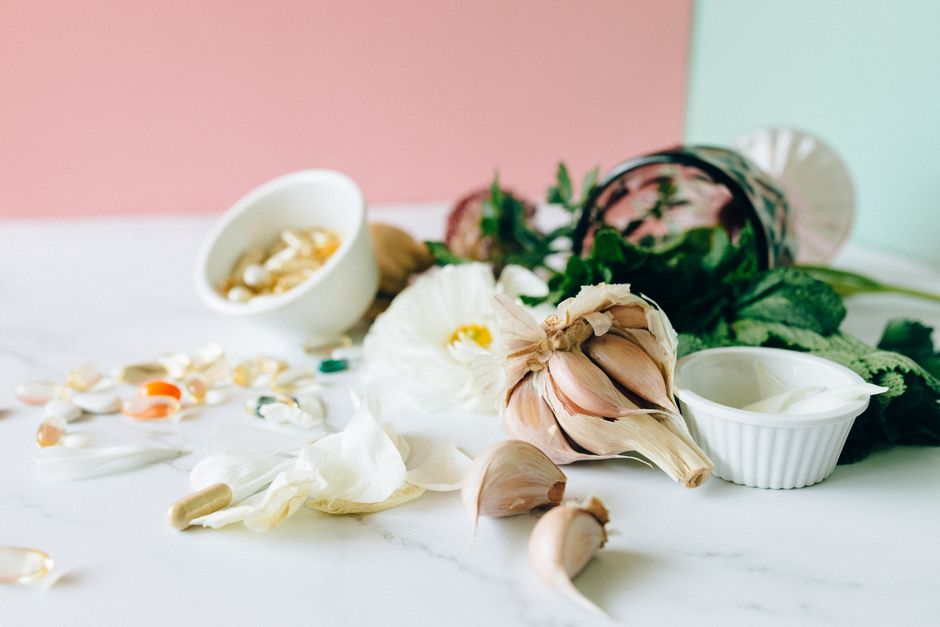
A single clove of garlic typically yields about 1/2 teaspoon of minced garlic, though the range runs from roughly 1/4 teaspoon for a small clove to 1 and 1/2 teaspoons for a very large one. The reason there is no single exact number is that garlic cloves vary widely in size — a clove from a small head might weigh 2 grams while a clove from a large head can weigh 10 grams or more. For most home cooking, treating one clove as half a teaspoon of minced garlic is a reasonable working rule.
How Many Tsp Is 1 Clove Of Garlic?
One clove equals approximately 1/2 teaspoon when minced. That is the figure most cooks and recipe developers use as a standard conversion.
The variation comes down to clove size, and cloves differ far more than most people expect. A clove of hardneck garlic — the type with a stiff central stalk — tends to be smaller than a clove of softneck garlic, the kind usually sold in supermarkets. Within a single head, the outer cloves are larger than the inner ones.
Here is how the conversions generally break down by clove size:
| Clove Size | Minced Volume |
|---|---|
| Small clove | About 1/4 teaspoon |
| Medium clove (typical) | About 1/2 teaspoon |
| Large clove | About 1 teaspoon |
| Extra-large clove | Up to 1 and 1/2 teaspoons |
These are practical kitchen measurements, not laboratory figures. The exact volume depends on how finely you chop, how tightly you pack the spoon, and the water content of the garlic. A loosely filled half-teaspoon holds noticeably less garlic than a firmly packed one.
Does Minced, Jarred, or Powdered Garlic Change the Conversion?
Yes, and significantly. The form of garlic matters as much as the clove size when you are substituting one for another.
Fresh minced garlic is what the 1/2 teaspoon figure refers to. Once you move to processed forms, the conversions shift:
- Jarred minced garlic: Roughly 1/2 teaspoon equals one fresh clove, though jarred garlic is often packed in liquid and tastes milder.
- Garlic paste: About 1/2 teaspoon per clove, but pastes vary in concentration by brand.
- Garlic powder: About 1/8 teaspoon equals one fresh clove. Powder is far more concentrated because the water has been removed.
- Granulated garlic: About 1/4 teaspoon per clove. It is coarser than powder and slightly less intense.
- Garlic flakes: About 1/2 teaspoon per clove, though they need time to rehydrate.
The flavor difference between fresh and processed garlic is real. Fresh garlic, when chopped or crushed, produces a compound called allicin through an enzyme reaction. Allicin is largely responsible for garlic’s sharp, pungent bite. Processing and drying reduce or eliminate this reaction, which is why garlic powder tastes sweeter and less aggressive than fresh garlic. This is a well-established piece of food chemistry, not a matter of opinion.
Why Do Recipes Say “1 Clove” Instead of a Measurement?
Recipes use “1 clove” because that is how garlic is sold and handled. You buy a head, break off cloves, and cook with them. Measuring minced garlic in teaspoons is a step most cooks skip.
The trade-off is precision. When a recipe calls for one clove, the recipe developer likely used a medium clove — roughly half a teaspoon. If your clove is twice that size, you are doubling the garlic in the dish. For most savory cooking, that is fine. Garlic is forgiving, and a little more or less rarely ruins a meal.
Where it matters more is in recipes with delicate balance — aioli, certain sauces, or raw preparations where garlic is not cooked. In those cases, the difference between a small and a large clove is noticeable. If you are unsure, start with less. You can always add more garlic, but you cannot take it out.





How Much Garlic Is Too Much?
Culinary amounts of garlic — a few cloves in a meal — are generally well tolerated by most adults. The concern about garlic mostly applies to concentrated supplements, not food.
Garlic supplements sold in capsules can contain much higher doses than you would eat in food. Some research suggests high-dose garlic supplements may interact with blood-thinning medications, including warfarin. This is a genuine concern that has been documented in clinical literature. If you take blood thinners or are scheduled for surgery, talk to your doctor before using garlic supplements. The same caution applies to people with bleeding disorders.
Eating large amounts of raw garlic can cause heartburn, stomach upset, and a lingering taste. Raw garlic is harsher on the digestive tract than cooked garlic. Some people also develop garlic on the skin, a contact irritation from handling it.
For cooking, there is no established upper limit on cloves per dish. The limiting factor is taste, not safety.
Does the Size of the Garlic Head Matter?
The head size gives you a rough clue about clove size, but it is not reliable on its own. A large head might have many small cloves or fewer large ones.
What matters more is the variety and growing conditions. Softneck garlic, common in grocery stores, tends to have more cloves per head — often 10 to 20 — and those cloves run smaller. Hardneck garlic typically has fewer, larger cloves arranged in a single ring around the central stalk.
If a recipe truly depends on getting the garlic amount right, weigh it. A medium clove weighs roughly 3 grams. This is more precise than counting cloves, though most home cooks will never need that level of accuracy.
Can You Substitute Garlic for One Another by Volume?
You can substitute by volume, but the flavor will not be identical. This is where the conversion chart helps and where it also has limits.
Garlic powder and fresh garlic are not interchangeable at a 1-to-1 ratio, and even when you match the volume correctly, the taste profile differs. Fresh garlic has a complex, sharp flavor that develops as it cooks. Powder has a more uniform, mellow taste. In a long-simmered sauce, the difference may be minor. In a raw dressing or a quick sauté, it will be obvious.
A practical approach: use the conversion chart to get in the right range, then adjust to taste. If a dish tastes flat, add more. If garlic overwhelms everything else, you have used too much — and there is no fix except adding more of the other ingredients.
One clarification worth making: more garlic does not always mean more garlic flavor. Cooking garlic too hot or too long turns it bitter. The compound that gives garlic its bite can burn quickly in a hot pan. This is why many recipes add garlic later in the cooking process, not at the start with onions. Burnt garlic tastes harsh and acrid, and no amount of the fresh stuff will cover it up.
Frequently Asked Questions
How many teaspoons is 1 clove of garlic minced?
One medium clove of garlic yields about 1/2 teaspoon when minced. Small cloves give closer to 1/4 teaspoon and very large cloves can reach 1 and 1/2 teaspoons.
How much garlic powder equals 1 clove of fresh garlic?
About 1/8 teaspoon of garlic powder equals one fresh clove. Garlic powder is more concentrated because the water has been removed during drying.
Is 1 clove of garlic the same as 1 teaspoon of minced garlic?
No, they are not the same. One clove is roughly 1/2 teaspoon of minced garlic, so 1 teaspoon would be about two cloves.
How many cloves are in a teaspoon of minced garlic?
About two medium cloves make up 1 teaspoon of minced garlic. This assumes average clove size, since larger or smaller cloves will shift the count.
