
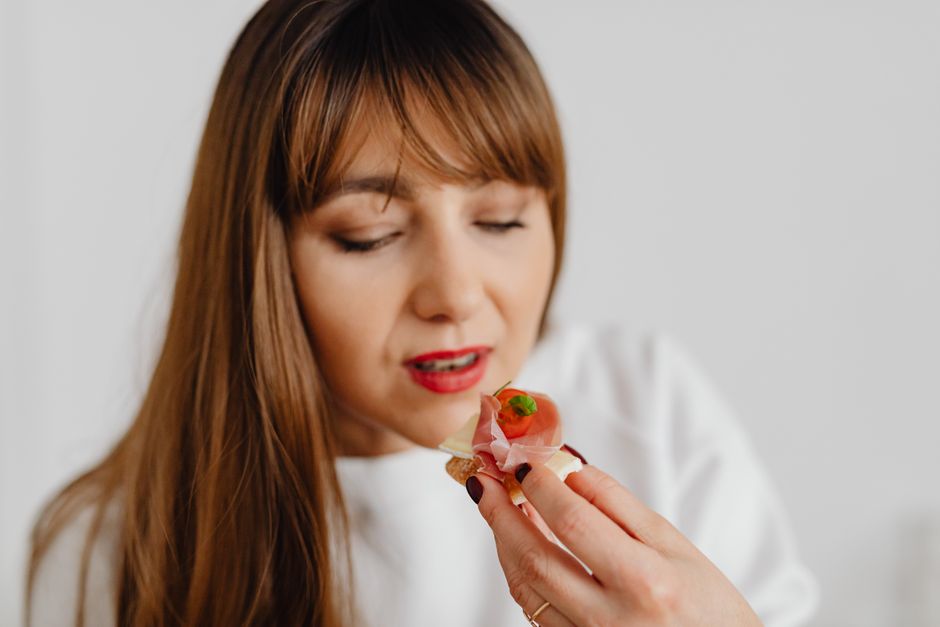
For many women, the first sign of pregnancy is not a missed period but a sudden, strange change in how food tastes. You might take a bite of a meal you have enjoyed for years and find it suddenly tastes far too salty. This can be confusing, but it is a real and reported symptom of early pregnancy. The short answer is yes, food tasting too salty can be a sign of pregnancy, though it is not a guaranteed one and it is not experienced by every woman. This change is linked to shifting hormone levels, which can alter your sense of taste and smell in the first trimester.
Why Does Pregnancy Change How Food Tastes?
Hormones are the main driver. When you become pregnant, your body produces higher levels of estrogen and progesterone. These hormones do more than regulate your cycle; they also influence your nervous system and sensory perception.
Estrogen, in particular, has a direct effect on the taste buds. Research has shown that changes in estrogen levels can alter how sensitive your taste buds are. Some studies suggest that during pregnancy, many women experience a heightened sensitivity to bitter and salty flavors. This means a normal amount of salt in your food suddenly tastes overwhelming.
Your sense of smell also plays a role. Pregnancy hormones can cause the lining of your nasal passages to swell, which changes your sense of smell. Since taste and smell are deeply connected, a distorted sense of smell can make food taste different, including saltier.
What Other Taste Changes Are Common in Early Pregnancy?
A salty taste is not the only change. Many women report a metallic taste in their mouths, a condition known as dysgeusia. This can make food taste like old coins or metal, and it often appears in the first trimester.
Others experience a sudden aversion to foods they normally love, like coffee, garlic, or fried foods. These aversions are often triggered by the same hormonal shifts that change taste perception. Some women also crave very specific foods, though the exact cause of cravings is not fully understood by researchers.
These changes usually peak in the first trimester and often fade by the second. If you are experiencing a persistent salty or metallic taste, it is often one of the earliest clues that you might be pregnant.
Is a Salty Taste Alone a Reliable Sign of Pregnancy?
No. A salty taste on its own is not a reliable sign of pregnancy. It is a symptom that can be caused by many other things, including sinus infections, allergies, certain medications, or even dehydration.
Pregnancy is diagnosed by a positive pregnancy test, not by taste changes. If you are noticing a strong salty taste and you have other early symptoms like a missed period, breast tenderness, fatigue, or nausea, it is reasonable to take a home pregnancy test. If the test is positive, you can confirm with a healthcare provider.
If the test is negative but the taste change persists, it is worth mentioning to your doctor. It could be related to another underlying issue, such as a vitamin deficiency or a sinus problem.





What Causes the Metallic or Bitter Taste in Pregnancy?
The metallic taste, often called dysgeusia, is a well-documented early pregnancy symptom. It is caused by the rapid rise in estrogen, which affects the taste buds. This change is most common in the first trimester and usually lessens as your hormone levels stabilize.
Some research suggests that this change may have a protective function. The heightened sensitivity to bitter tastes could be an evolutionary mechanism to help pregnant women avoid toxic or spoiled foods that might harm a developing fetus. The salty taste you are experiencing may be part of this same heightened sensitivity.
This is not harmful to you or your baby. It is simply an uncomfortable side effect of the hormonal changes taking place in your body.
How Can You Manage a Strong Salty Taste?
If the salty taste is making it hard to eat, there are a few practical things you can try. These are not medical treatments, but they are common strategies that many women find helpful.
- Rinse your mouth with a mild solution of baking soda and water. This can help neutralize the taste.
- Eat cold foods like fruit, yogurt, or smoothies. These often taste less intense than hot meals.
- Try acidic foods like citrus fruits or pickles, which can cut through the salty or metallic taste.
- Stay hydrated. Drinking plenty of water can help wash away the taste and keep your mouth feeling clean.
- Brush your teeth more frequently, or use a tongue scraper to remove buildup that can amplify taste changes.
These strategies do not fix the underlying cause, but they can make meals more tolerable until the symptom passes.
When Should You Talk to a Doctor?
If you are pregnant and the taste changes are severe, mention it at your next prenatal visit. It is rarely a sign of a serious problem, but your provider should know about any symptom that affects your ability to eat.
If you are not pregnant but the salty taste persists for more than a few weeks, see a doctor. Persistent taste changes can be linked to sinus infections, acid reflux, or certain neurological conditions. A healthcare provider can help determine the cause.
If the taste change comes with other symptoms like a burning sensation, numbness, or difficulty swallowing, seek medical attention promptly. These are not typical pregnancy symptoms and need to be evaluated.
How Long Does Pregnancy Taste Changes Last?
For most women, taste changes peak in the first trimester and improve significantly by the second trimester. As estrogen and progesterone levels stabilize, your taste buds usually return to normal.
Some women experience taste changes throughout their entire pregnancy, but this is less common. If the salty taste fades and then returns later, it is usually linked to another hormonal shift or a separate issue like a cold or sinus congestion.
There is no evidence that these taste changes have any effect on the health of your baby. They are a temporary inconvenience, not a medical concern.
What Does a Normal Pregnancy Test Timeline Look Like?
If you suspect pregnancy due to taste changes, you may want to know when to test. Home pregnancy tests detect the hormone hCG, which is produced after a fertilized egg implants in the uterus.
Implantation typically happens about 6 to 10 days after ovulation. hCG levels rise quickly after that. Most home tests can detect pregnancy on the first day of a missed period. Some highly sensitive tests can detect it a few days earlier, but testing too early can give a false negative.
If you get a negative result but still have symptoms, wait three to four days and test again. Your hCG levels may not have been high enough to detect on the first test.
Frequently Asked Questions
Can pregnancy make food taste too salty?
Yes, pregnancy hormones can heighten your sensitivity to salt, making food taste saltier than normal. This is most common in the first trimester.
How early in pregnancy does food taste different?
Taste changes can begin as early as the first few weeks after conception, often before a missed period. These changes are driven by the rapid rise in estrogen and progesterone.
Does a salty taste mean I am definitely pregnant?
No, a salty taste alone is not a reliable sign of pregnancy. It can be caused by sinus issues, medications, or other conditions, so a pregnancy test is the only way to confirm.
When does the salty taste during pregnancy go away?
For most women, taste changes fade by the second trimester as hormone levels stabilize. Some women experience it throughout pregnancy, but that is less common.
