
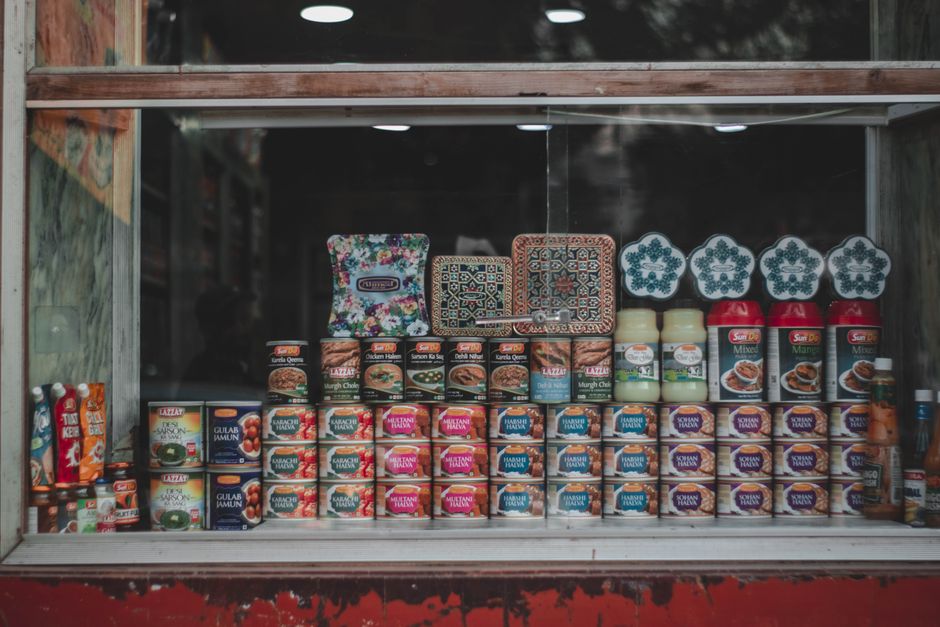
Canned food is one of the most reliable ways to store food for long periods. But it does not last forever. The short answer is yes, canned food goes bad, but the timeline is measured in years, not days. The real question is not just about expiration dates—it is about safety, quality, and how the can is stored.
How Long Does Canned Food Really Last?
Most commercially canned foods are designed to stay safe to eat for at least two years. That timeline starts from the day the food is packed, not the day you buy it. Many cans remain safe well past that point if they are stored properly.
The distinction between safety and quality matters here. A can of green beans from three years ago is likely safe to eat. It may not taste as fresh or have the same texture as a newly canned product. That loss of flavor and texture is a quality issue, not a safety one.
High-acid foods such as tomatoes, pineapple, and citrus juices have a shorter recommended storage window. They typically hold their quality for 12 to 18 months. Low-acid foods like meat, poultry, vegetables, and soups can maintain quality for two to five years.
What Actually Causes Canned Food to Go Bad?
Two main processes degrade canned food over time: chemical changes and microbial contamination. Chemical changes happen slowly. The metal in the can can react with the food, especially acidic foods. This can alter the taste and color of the contents. Over years, vitamins naturally degrade, particularly vitamin C and B vitamins.
Microbial contamination is different. Proper canning destroys the microorganisms that cause food spoilage and foodborne illness. The airtight seal keeps new organisms out. If that seal is broken—by a dent, a rust spot, or a faulty seam—bacteria and mold can get in.
The most dangerous concern is botulism. Clostridium botulinum bacteria produce a toxin that causes severe illness. These bacteria thrive in low-oxygen environments, which makes canned food a perfect target if the canning process fails. Commercial canning processes are designed to destroy these bacteria, but damaged cans can let them in.
Does Canned Food Go Bad After the Expiration Date?
The dates printed on cans are almost always “best by” dates rather than “use by” dates. These dates indicate when the food will be at peak quality, not when it becomes unsafe. A can that is a year past its best-by date is usually perfectly safe to eat if the can is intact.
Unlike perishable foods like milk or raw meat, canned goods do not suddenly become dangerous the day after the date on the label. The food inside degrades gradually. The process is so slow that many canned foods remain acceptable for years after the printed date.
There is an exception. If a can was originally poorly processed or the seal was compromised, the food can spoil before the date on the label. The date is not a guarantee. It is a quality marker.




How to Tell If Canned Food Has Gone Bad
Your senses are the best tools for judging canned food safety. Before opening the can, inspect it. Look for severe dents, especially on the seams. Look for rust that has eaten through the metal. Look for bulging ends. A bulging can is a red flag because gas produced by bacteria pushes the ends outward.
When you open the can, use your nose first. A foul or off odor is a clear sign of spoilage. Then look at the contents. Mold, cloudiness in liquids, or unusual color changes indicate the food is not safe. When you remove the food, check the inside of the can lid for rust spots that have penetrated the lining.
Never taste food from a can you suspect is spoiled. Botulism toxin is tasteless, so you cannot detect it by sampling. If a can shows any sign of damage or spoilage, throw it away without tasting the contents.
Does Temperature Affect How Long Canned Food Lasts?
Storage temperature is one of the most important factors in canned food longevity. The ideal range is cool and dry, between 50°F and 70°F. Heat accelerates the chemical reactions that degrade food quality. A can stored in a hot garage will lose quality faster than the same can stored in a cool pantry.
Freezing is also a problem for canned food. If the liquid inside freezes, it expands. This expansion can break the seal or cause the can to bulge. Even if the can looks fine after thawing, the seal may have been compromised. Do not eat canned food that has frozen and thawed if the can shows any damage.
Temperature swings are worse than a steady temperature. Repeated heating and cooling creates condensation inside the can, which can lead to rust and seal failure. Store cans in a stable environment to maximize their shelf life.
Is It Safe to Eat Canned Food Past Its Expiration Date?
In most cases, yes. If the can is intact—no dents on the seams, no rust penetration, no bulging—and the food looks and smells normal when opened, it is safe to eat. The quality may be lower, but the safety risk is minimal.
The exception is if you have a compromised immune system, are pregnant, or are feeding young children. These groups are more vulnerable to foodborne illness. For them, the cautious approach is to consume canned food within the recommended timeframes and discard anything questionable.
Home-canned foods are a different matter. Home canning processes are less standardized than commercial operations. The risk of botulism is higher with home-canned foods, especially low-acid vegetables, meats, and fish. If you cannot verify the canning process, do not eat the food if it is more than a year old.
How to Store Canned Food for Maximum Shelf Life
- Keep cans in a cool, dry place away from direct sunlight and heat sources.
- Store cans off the floor, ideally on shelves that allow air circulation.
- Use older cans first. Rotate your stock so nothing sits forgotten for years.
- Do not store cans above the stove, near the water heater, or in damp basements.
- Keep cans away from cleaning chemicals and other strong-smelling substances.
Proper storage does not make canned food last forever, but it does slow the degradation process significantly. A well-stored can of low-acid food can maintain acceptable quality for five years or more. The same can stored poorly might lose quality within a year.
What Happens If You Eat Bad Canned Food?
Eating spoiled canned food can cause food poisoning. Symptoms vary depending on the contaminant. Common symptoms include nausea, vomiting, diarrhea, and abdominal cramps. These typically appear within hours of eating the contaminated food and resolve within a day or two.
Botulism is far more serious. Symptoms usually appear 12 to 36 hours after eating contaminated food. They include blurred vision, difficulty swallowing, muscle weakness, and difficulty breathing. Botulism is a medical emergency. If you experience these symptoms after eating canned food, seek emergency medical care immediately.
Most cases of canned food poisoning come from cans that were damaged or improperly sealed. An intact can that has not been opened is rarely the source. The risk increases dramatically when cans are dented, rusted, or bulging.
Does Canned Food Go Bad If the Can Is Opened?
Once opened, canned food becomes perishable. The protective environment inside the can is gone. Opened canned food should be transferred to a sealed container and refrigerated. Use it within three to four days.
Do not store leftovers in the open can. The food can pick up metallic flavors, and the exposed metal can corrode. Transferring to a glass or plastic container preserves quality and reduces the risk of contamination.
The clock starts the moment the can is opened. Even if the food looks fine after a week in the refrigerator, the risk of bacterial growth increases over time. When in doubt, throw it out.
Frequently Asked Questions
Can you eat canned food 10 years old?
If the can is intact and was stored properly, the food is likely safe but quality will be poor. Low-acid foods may remain safe for many years, but flavor, texture, and nutritional value degrade significantly.
What does botulism look like in a can?
A bulging can or one that spurts liquid when opened can indicate botulism. The food may also have an unusual odor, though the toxin itself is tasteless and odorless.
Is it safe to eat canned food with dents?
Small dents on the body of the can are usually harmless. Dents on the seams, where the can is sealed, can compromise the integrity and allow bacteria to enter.
How long is canned food good after the best by date?
Low-acid foods can remain safe for two to five years past the date if stored properly. High-acid foods are best used within 12 to 18 months of the date for quality reasons.
