
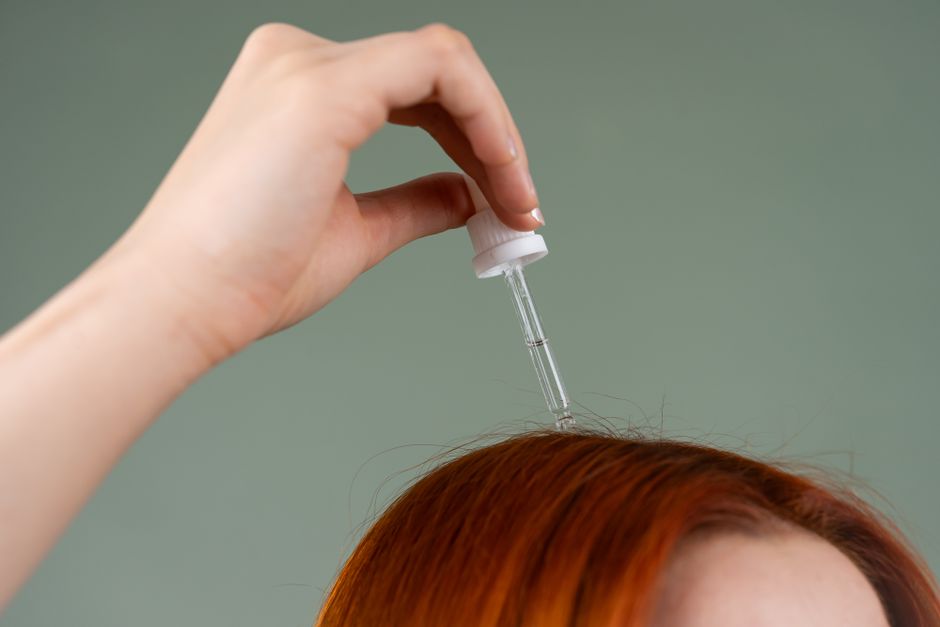
Fenugreek seeds are a common home remedy for hair loss and scalp health, but the scientific evidence behind these claims is surprisingly thin. While the seeds contain nutrients and compounds that could theoretically benefit hair, clinical research on humans is limited. What we know comes mostly from lab studies, animal research, and traditional use, not from well-designed human trials.
What Is Fenugreek and Why Do People Use It for Hair?
Fenugreek is an herb native to the Mediterranean, southern Europe, and western Asia. Its seeds are used in cooking, traditional medicine, and increasingly in hair care products. People soak the seeds, grind them into a paste, and apply it to the scalp or hair. Others take fenugreek supplements or drink fenugreek tea.
The seeds contain protein, iron, zinc, and compounds called saponins and flavonoids. These nutrients are involved in hair health in various ways. Iron deficiency, for example, is linked to hair loss. Zinc supports hair tissue growth and repair. But having these nutrients in a seed does not mean applying the seed to your scalp delivers them to your hair follicles.
Is Fenugreek Good For Your Hair What Science Says
The honest answer is that science has not confirmed fenugreek improves hair growth or prevents hair loss. No large human trials have tested fenugreek as a hair treatment. Most evidence comes from test-tube studies and small animal experiments. These studies are useful for generating ideas, but they do not prove effectiveness in humans.
One area where fenugreek shows some promise is scalp inflammation. The seeds have anti-inflammatory properties in laboratory settings. Since inflammation can contribute to certain types of hair loss, this mechanism is plausible. But plausible is not the same as proven. No clinical study has demonstrated that fenugreek reduces scalp inflammation in people.
What Does the Research Actually Show?
Research on fenugreek and hair falls into a few categories. Lab studies have found that fenugreek extracts can stimulate hair follicle growth in isolated cells. One study using human hair follicle cells showed increased growth activity when treated with fenugreek extract. That is interesting but far from proof that it works on a living scalp.
Animal studies have also been conducted. Some research in rodents suggests fenugreek extract may promote hair growth when applied topically. However, animal skin differs from human skin. Results in rodents often do not translate to humans. No published human clinical trial has confirmed these findings.
Traditional use is another source of evidence. Fenugreek has been used for hair care in Ayurvedic and Middle Eastern traditions for centuries. This long history suggests the practice is safe and possibly soothing, but tradition alone does not establish effectiveness. Many traditional remedies have been tested and found to have little or no benefit.




Can Fenugreek Help With Dandruff or Dry Scalp?
Some people report that fenugreek paste helps with dandruff and dry scalp. The evidence here is also limited. Fenugreek contains mucilage, a gel-like substance that can coat the hair and scalp. This coating may temporarily reduce dryness and make hair feel smoother.
For dandruff specifically, no clinical evidence supports fenugreek as a treatment. Dandruff is often caused by a yeast called Malassezia. There is no research showing fenugreek kills this yeast or reduces dandruff. If you have persistent dandruff, proven treatments like ketoconazole shampoo or zinc pyrithione shampoo are better supported by evidence.
How to Use Fenugreek for Hair If You Want to Try It
If you decide to try fenugreek despite the limited evidence, here is how people commonly use it. Soak two tablespoons of fenugreek seeds in water overnight. Grind them into a smooth paste in the morning. Apply the paste to your scalp and hair. Leave it on for 20 to 30 minutes. Rinse thoroughly with warm water.
Some people mix fenugreek paste with coconut oil or yogurt. These additions may improve texture and ease of application. There is no evidence that any specific combination works better than another. Start with a small patch test on your inner arm to check for allergic reactions before applying it to your scalp.
Fenugreek supplements are also available as capsules or powders. If you take fenugreek orally, be aware that it can interact with blood-thinning medications and diabetes drugs. It may lower blood sugar. Talk to your doctor before taking fenugreek supplements, especially if you have a medical condition or take prescription medications.
Are There Any Risks or Side Effects?
Fenugreek is generally recognized as safe when used in food amounts. Topical application to the scalp appears to be well tolerated for most people. But allergic reactions are possible. Symptoms can include redness, itching, or swelling at the application site. If you experience any of these, wash it off and stop using it.
Oral fenugreek carries more risk. It can cause digestive upset, including gas, bloating, and diarrhea. High doses may lower blood sugar significantly, which is dangerous for people on diabetes medication. Fenugreek may also have a maple-like odor in your sweat and urine. This is harmless but can be surprising.
Pregnant women should avoid fenugreek supplements. Some research suggests it may stimulate uterine contractions. No clinical guidelines currently exist for fenugreek use during pregnancy. The safest choice is to avoid it in supplement form unless your doctor advises otherwise.
What Actually Works for Hair Growth?
If you are looking for evidence-based hair treatments, several options have stronger support. Minoxidil, sold under brand names like Rogaine, is FDA-approved for hair regrowth. It works for many people but requires continuous use. Finasteride, available by prescription, is effective for male pattern baldness but has potential side effects.
For general hair health, addressing nutrient deficiencies matters. Low iron, vitamin D, and zinc levels are linked to hair thinning. A blood test can tell you if you are deficient. Eating a balanced diet with adequate protein is also important because hair is made of a protein called keratin.
Managing stress and treating underlying medical conditions can also help. Telogen effluvium, a type of temporary hair shedding, often follows major stress or illness. Once the trigger resolves, hair typically grows back within several months. If you notice sudden or patchy hair loss, see a doctor. Some causes, like alopecia areata, need medical treatment.
Frequently Asked Questions
Can fenugreek really regrow hair?
No clinical evidence confirms that fenugreek regrows hair in humans. Lab and animal studies show some promise, but no human trials have verified this effect.
How long does it take for fenugreek to work on hair?
There is no established timeline because fenugreek has not been proven effective for hair in clinical studies. People who report benefits typically use it for several weeks, but results vary and are not scientifically documented.
Is fenugreek safe to apply on hair daily?
Daily topical use is likely safe for most people, but it may irritate sensitive skin. Start with a patch test and reduce frequency if you notice redness or itching.
Does fenugreek help with hair thinning or just hair loss?
No research distinguishes fenugreek’s effect on thinning versus hair loss. Both conditions have multiple causes, and fenugreek has not been shown to treat either in human studies.
