
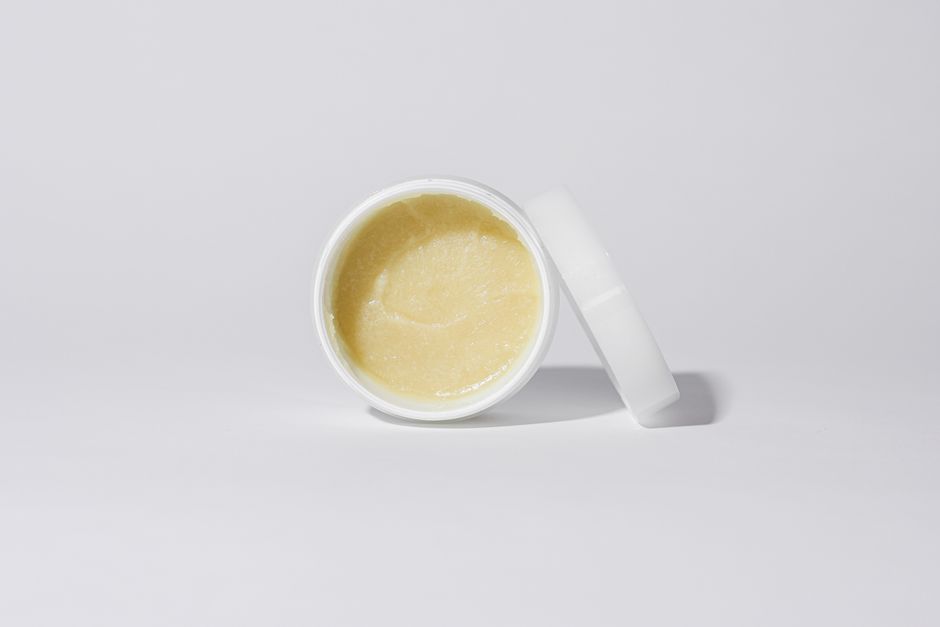
Cocoa butter is a rich, fragrant fat pressed from cacao beans, and it has been used on skin and hair for generations. When it comes to hair growth, the evidence is straightforward: no clinical study has shown that cocoa butter grows hair, thickens hair, or reverses hair loss. What it can do is moisturize and condition the hair you already have — and that is a meaningful but different benefit.
What Is Cocoa Butter and What Does It Actually Do?
Cocoa butter is the natural fat extracted from cocoa beans. It is solid at room temperature, melts near body temperature, and is high in fatty acids — mostly oleic, stearic, and palmitic acid. Those fats make it an excellent emollient, meaning it sits on the surface of skin and hair and slows water loss.
That is the whole story of what cocoa butter does. It is a sealant and a softener. It is not a drug, not a hormone, and not a nutrient that hair follicles consume to build new strands.
Hair grows from follicles buried in the scalp. A strand is built from protein (keratin) inside the follicle, and growth is driven by genetics, hormones, nutrition, and blood supply to the follicle. Anything you rub on the surface of your scalp or hair shaft does not reach the follicle’s growth machinery in any meaningful way. This is why oils — cocoa butter included — can change how hair feels and looks without changing how much of it you grow.
Why the confusion exists
Oils are often marketed as “hair growth” products because they improve the appearance of hair. When hair is less brittle and less prone to snapping, it looks fuller. That is a real effect. It is just not new growth. It is the same hair, better preserved.
Does Cocoa Butter Help Hair Growth What Science Says
There is no clinical evidence that cocoa butter stimulates hair growth. No controlled human trial has shown that applying cocoa butter to the scalp increases hair count, hair thickness, or the rate of growth. The claim simply has not been tested and confirmed in the way a medical claim needs to be.
What does have evidence behind it is a small set of treatments for specific types of hair loss. Those include medications like minoxidil and finasteride for pattern hair loss, and low-level laser therapy in some cases. These are not interchangeable with cocoa butter, and none of them work by moisturizing.
It is worth being precise about what “no evidence” means here. It does not mean cocoa butter is harmful or useless. It means the specific claim — that it grows hair — has not been demonstrated. Those are different statements, and the difference matters.
Where cocoa butter does earn its place
Cocoa butter is genuinely useful for:
- Softening dry, coarse, or brittle hair
- Reducing breakage by improving hair’s flexibility
- Adding shine and reducing frizz
- Moisturizing the scalp when it is dry or flaky
None of these are growth. All of them are real.
Can Oils or Butters Ever Grow Hair?
No oil or butter has been shown to grow hair on its own. Not cocoa butter, not coconut oil, not castor oil, not olive oil. The idea that “natural oils” stimulate follicles is largely marketing, not science.
There is one nuance worth knowing. Some research has looked at certain plant compounds — rosemary oil is the most studied — and found results that in some small trials were comparable to a low-concentration minoxidil for pattern hair loss. That research is limited and the trials were small, so it should not be treated as settled. But it is a different situation from cocoa butter, which has no comparable evidence at all.
The reason oils get lumped together is that they all feel good on hair. Feeling good is not the same as growing hair.

What Actually Causes Hair Loss?
Hair loss has many causes, and the right response depends entirely on which one you have.
- Androgenetic alopecia — pattern hair loss, driven by genetics and hormones. The most common cause in both men and women.
- Telogen effluvium — sudden shedding after illness, surgery, severe stress, or major weight loss. Often temporary.
- Nutritional deficiencies — iron, zinc, vitamin D, and protein deficiencies can all affect hair.
- Thyroid disorders — both underactive and overactive thyroid can cause shedding.
- Alopecia areata — an autoimmune condition causing patchy loss.
- Traction alopecia — loss from tight hairstyles pulling on follicles over time.
- Medications and medical treatments — including some chemotherapy, blood thinners, and others.
This is why a moisturizer is not a hair loss treatment. If you are losing hair, the cause matters more than the product. A doctor can usually narrow it down with a history, an exam, and sometimes blood tests.
Is Cocoa Butter Safe for Hair and Scalp?
For most people, cocoa butter is safe to use on hair and scalp. It is a food-grade fat with a long history of topical use. Reactions are uncommon.
That said, a few practical points are worth knowing:
- It can clog pores. Cocoa butter is fairly heavy and comedogenic for some people. If you are prone to scalp breakouts, use it sparingly or not at all.
- It can weigh hair down. Fine or thin hair may look greasy rather than nourished.
- Allergies exist. Cocoa allergies are uncommon but real. If you react to chocolate, patch-test first.
- It is not a substitute for medical care. If you have sudden, patchy, or rapidly progressing hair loss, see a clinician rather than experimenting with products.
There are no established dosing guidelines for cocoa butter on hair because it is a cosmetic ingredient, not a treatment. Use it the way you would use any conditioner — as much as feels right, washed out as needed.
How Does Cocoa Butter Compare to Other Hair Oils?
Different oils and butters have different properties. Here is how cocoa butter stacks up against some common alternatives for hair conditioning — not for growth, since none of them grow hair.
| Product | Main Strength | Best For | Watch Out For |
|---|---|---|---|
| Cocoa butter | Heavy moisturizing, softening | Thick, dry, coarse, or curly hair | Can weigh down fine hair; comedogenic |
| Coconut oil | Penetrates hair shaft, reduces protein loss | Most hair types; pre-wash treatment | Can leave hair stiff or greasy if overused |
| Jojoba oil | Light, close to scalp’s natural sebum | Fine hair, scalp use | Less conditioning for very dry hair |
| Castor oil | Very thick, strong shine | Thick hair, edges, sealing ends | Very heavy; hard to wash out |
| Argan oil | Light, adds shine, absorbs quickly | All hair types, styling | Expensive; less moisturizing than butters |
None of these grow hair. They differ in how they condition, how heavy they feel, and who they suit.
What Actually Supports Healthy Hair Growth?
If the goal is healthier hair, the levers that actually matter are less glamorous than a jar of butter.
Nutrition. Hair is built from protein, so adequate protein intake matters. Iron, zinc, vitamin D, and B vitamins all play roles in normal hair cycling. Deficiencies can cause shedding, and correcting them can help — but only if you actually have a deficiency. Taking extra when you do not need it does not speed up growth and can cause harm.
Gentle handling. Avoiding tight styles, harsh brushing, and excessive heat reduces breakage. Since breakage looks like “not growing,” this alone can change how your hair appears over months.
Managing underlying conditions. Thyroid disease, anemia, and other medical issues can drive hair loss. Treating the cause is the only thing that reliably helps.
Evidence-based treatments for pattern loss. For androgenetic alopecia, minoxidil (topical) and finasteride (oral, for men) have the strongest evidence. These require a clinician’s involvement. Results take months, not weeks, and stopping reverses the benefit.
Notice what is not on this list: any butter or oil. That is not because they are bad. It is because they do not do this job.
Frequently Asked Questions
Does cocoa butter really grow hair?
No. No clinical study has shown that cocoa butter grows hair or reverses hair loss. It can moisturize and soften existing hair, which is a different benefit.
If you are losing hair, the cause matters more than any topical product.
Can I use cocoa butter on my scalp every day?
For most people, yes, though daily use is not necessary and may clog pores for some. If you notice scalp breakouts or buildup, cut back or switch to a lighter oil.
Is cocoa butter better than coconut oil for hair?
They do different things. Cocoa butter is heavier and better for thick, dry hair; coconut oil is lighter and can penetrate the hair shaft. Neither grows hair.
What should I do if my hair is thinning?
See a doctor to identify the cause before trying products. Thinning has many possible drivers — including genetics, thyroid issues, and nutritional deficiencies — and the right response depends on which one applies to you.
