

Yes, fatigue is one of the most commonly reported early signs of pregnancy. It often shows up in the first few weeks, sometimes before a missed period, and is usually blamed on rising progesterone and the huge metabolic workload of early fetal development. But tiredness on its own is not proof of pregnancy. It is a vague symptom with dozens of possible causes, so a test is the only way to know for sure.
Why Does Pregnancy Cause Fatigue So Early?
Fatigue in early pregnancy is real, and it has a physiological explanation. Shortly after conception, the body begins producing large amounts of progesterone. This hormone helps thicken the uterine lining and sustain the pregnancy, but it also has a sedating effect. Many women notice they feel unusually sleepy or drained during the first trimester.
At the same time, the body is building the placenta, increasing blood volume, and ramping up metabolism to support a developing embryo. That is a lot of internal construction happening quietly in the background. The result is a deep, bone-level tiredness that many women describe as different from ordinary sleepiness.
Human chorionic gonadotropin (hCG) rises sharply in early pregnancy as well. hCG itself is not thought to be the direct cause of fatigue, but its rapid climb tracks closely with the timing of early symptoms, including exhaustion.
When Does Tiredness Usually Start in Pregnancy?
Fatigue can begin as early as the first week after conception, which is often before a woman even knows she is pregnant. Because implantation typically happens about six to twelve days after ovulation, some women start feeling unusually tired around the time of an expected period — or even a few days before it.
For most women, fatigue is most intense during the first trimester and tends to ease in the second trimester, when energy often returns. It can come back in the third trimester, but for different reasons: extra weight, disrupted sleep, and the physical demands of a growing baby.
The exact timing varies widely. Some women feel exhausted almost immediately. Others notice nothing unusual until several weeks in. There is no single “correct” pattern.
Is Feeling Tired an Early Sign of Pregnancy on Its Own?
No. Tiredness by itself is not a reliable sign of pregnancy. It is a common symptom of many conditions, and it overlaps with ordinary life events like poor sleep, stress, or a busy week.
What makes fatigue more suspicious as a pregnancy sign is context. If it arrives alongside other early symptoms, and if it feels unusually deep or persistent, pregnancy becomes more likely. But even then, only a pregnancy test can confirm it.
This is the key point: fatigue is a supporting clue, not a standalone diagnosis. Doctors do not use tiredness alone to identify pregnancy.




What Other Early Symptoms Often Show Up With Fatigue?
Fatigue rarely appears completely alone in early pregnancy. It usually clusters with other signs that share the same hormonal trigger. Common early symptoms include:
- Missed or late period
- Nausea, sometimes with vomiting (often called morning sickness, though it can happen any time)
- Tender or swollen breasts
- Frequent urination
- Food aversions or sudden cravings
- Mild cramping or spotting from implantation
- Mood swings or irritability
- Headaches
The more of these appear together, the more likely pregnancy becomes. Still, none of them is definitive on its own, and some women have very few symptoms early on.
What Else Can Cause Persistent Tiredness?
Many conditions produce fatigue that mimics early pregnancy. This is why tiredness alone is not enough to go on. Common causes include:
- Anemia — low iron or low red blood cells reduce oxygen delivery and cause deep tiredness
- Thyroid problems — an underactive thyroid (hypothyroidism) is a well-known cause of fatigue
- Poor sleep — not enough hours or poor sleep quality
- Stress and mental health — anxiety and depression commonly cause low energy
- Infections — including viral illnesses and other conditions
- Blood sugar issues — such as diabetes or prediabetes
- Medications — some prescriptions list fatigue as a side effect
- Premenstrual syndrome (PMS) — tiredness is a common PMS symptom too
Because so many things cause fatigue, it is never a reliable stand-alone indicator. If tiredness is severe, lasting, or unexplained, it deserves a medical evaluation regardless of pregnancy status.
How Soon Can a Pregnancy Test Confirm It?
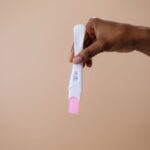
A pregnancy test works by detecting hCG in urine or blood. hCG becomes detectable at different times depending on the test and the person.
Home urine tests are generally most accurate after a missed period. Testing too early can produce a false negative because hCG may not have risen enough yet. If a test is negative but symptoms continue, waiting a few days and testing again is reasonable.
Blood tests can detect hCG earlier than urine tests and are used in clinical settings. A healthcare provider can confirm pregnancy and check hCG levels if needed.
Timing matters here. Testing before the expected period raises the chance of an inaccurate result, which is why waiting until a period is late gives the clearest answer.
When Should Tiredness Be Checked by a Doctor?
Fatigue that is severe, sudden, or accompanied by warning signs should be evaluated. Seek medical care if tiredness comes with:
- Shortness of breath or chest pain
- Fainting or near-fainting
- Heavy bleeding
- Severe abdominal pain
- Confusion or difficulty staying awake
- Fatigue that is worsening over days or weeks with no clear cause
These signs are not specific to pregnancy and may point to other conditions that need prompt attention. Even without warning signs, ongoing unexplained fatigue is worth discussing with a clinician, who can check for anemia, thyroid issues, and other causes.
Does the Type of Tiredness Matter?
Many women say early pregnancy fatigue feels different from ordinary tiredness. It is often described as a heavy, all-over exhaustion that rest does not fully fix. Some compare it to the feeling of coming down with a cold, minus the other cold symptoms.
That said, this is a subjective description, not a clinical marker. There is no lab test or measurement that distinguishes “pregnancy tiredness” from other kinds of fatigue. The feeling can be a useful clue, but it cannot confirm anything on its own.
What Should You Do If You Suspect Pregnancy?
If you think you might be pregnant, the practical steps are straightforward. Take a home pregnancy test after a missed period for the most reliable result. If it is positive, schedule a visit with a healthcare provider to confirm and begin prenatal care.
If the test is negative but symptoms persist, wait a few days and test again, or talk to a clinician. Do not rely on symptoms alone to reach a conclusion in either direction.
In the meantime, rest when you can, stay hydrated, and avoid guessing based on how tired you feel. Fatigue is a signal worth paying attention to, but it is not a verdict.
Frequently Asked Questions
Can tiredness be an early sign of pregnancy before a missed period?
Yes, some women feel unusually tired before their period is due, sometimes within the first week after conception. However, tiredness alone cannot confirm pregnancy, and a test is needed.
How early does pregnancy fatigue usually start?
Fatigue can begin as early as the first week after conception, often before a missed period. It is usually most intense during the first trimester and tends to ease in the second.
Is pregnancy tiredness different from normal tiredness?
Many women describe it as a deeper, heavier exhaustion that rest does not fully relieve. That said, this is a subjective feeling, not a clinical marker, so it cannot confirm pregnancy on its own.
What if I am tired but my pregnancy test is negative?
A negative test can happen if you test too early, before hCG levels rise enough to detect. Wait a few days and test again, or see a healthcare provider if symptoms continue.
