
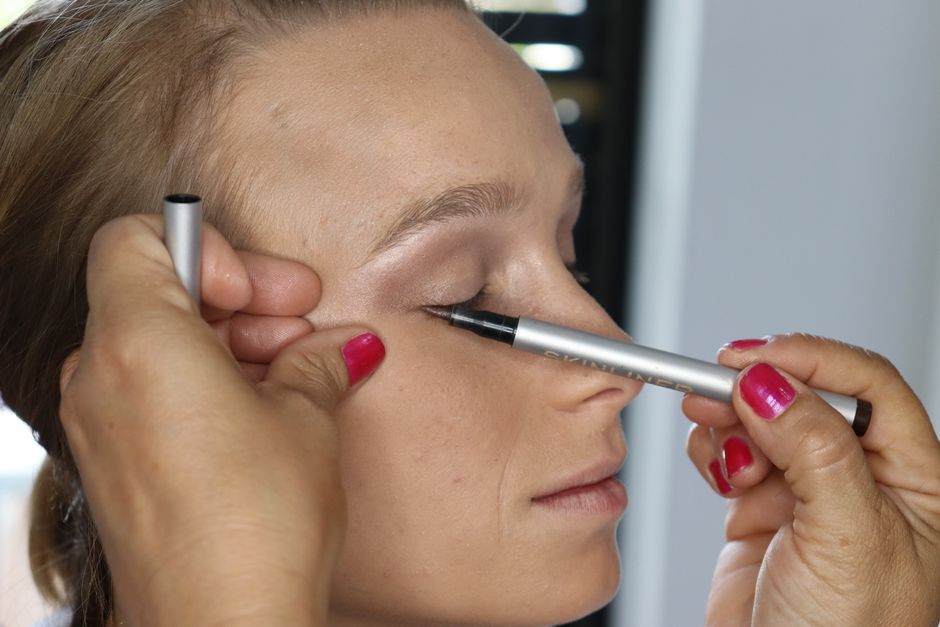
Eyeliner can contain lead, PFAS, and other hidden risks depending on the brand and ingredients. Not all eyeliners are toxic, but some popular products have tested positive for heavy metals and forever chemicals. The key is knowing which ingredients to watch for and which products are safer choices.
What Toxic Metals Are Found in Eyeliner?
Lead is the most concerning heavy metal found in some eyeliners. Research published by the FDA has detected lead in several cosmetic products including eyeliners. The FDA does not approve cosmetics before they go on the market, so manufacturers are responsible for their own safety testing.
Other heavy metals have also shown up in testing. Arsenic, cadmium, mercury, and chromium have all been found in some eyeliners according to studies from the Environmental Working Group. These metals are not listed on ingredient labels because they are contaminants, not intentionally added ingredients.
The risk depends on how much metal is present and how often you use the product. Occasional use of a liner with trace metals is unlikely to cause harm. Daily use over many years is a different story. The body accumulates these metals, and the eyes are a direct route into the bloodstream.
Are PFAS in Eyeliner a Real Concern?
PFAS, or perfluoroalkyl substances, have been found in many waterproof eyeliners. A 2021 study from the University of Notre Dame tested over 200 cosmetics and found PFAS in 52 percent of eyeliners tested. These chemicals are added to make the product last longer and resist water.
The problem is that PFAS do not break down in the environment or in your body. They are called forever chemicals for a reason. Some PFAS have been linked to health issues including hormone disruption and immune system problems according to the Agency for Toxic Substances and Disease Registry.
Not all waterproof eyeliners contain PFAS, but many do. The ingredient label will not always say PFAS. Look for ingredients that end in “fluoro” such as perfluorooctane or polytetrafluoroethylene. If you see those, the product likely contains PFAS.
Is Eyeliner Toxic Lead PFAS And Hidden Risks from Daily Use?
Daily use of eyeliner that contains heavy metals or PFAS increases your exposure over time. The skin around your eyes is thin and absorbs ingredients more easily than other areas. When you line your waterline, the product goes directly into contact with mucous membranes, which absorb substances quickly into the bloodstream.
The FDA has set limits for lead in some products like candy, but not for cosmetics. There is no official safety threshold for lead in eyeliner. This means a product can legally contain some lead and still be sold in stores.
Research from the CDC has found that cosmetics are a source of lead exposure in women of childbearing age. This matters because lead can cross the placenta and affect fetal development. If you are pregnant or planning to become pregnant, checking your eyeliner ingredients is a reasonable step.





How to Check If Your Eyeliner Is Safe
Start by reading the ingredient list. Look for any ingredient ending in “fluoro” which signals PFAS. Check for “lead” or “chromium” though these are usually contaminants and will not be listed. The absence of these words on the label does not mean they are absent from the product.
You can check third-party databases for safety information. The Environmental Working Group’s Skin Deep database rates cosmetics based on their ingredients. The Campaign for Safe Cosmetics also provides testing results for many brands. These are not government sources, but they are independent and transparent about their methods.
Look for brands that do their own third-party testing and publish the results. Some companies now test every batch for heavy metals and make those reports available online. If a brand cannot tell you whether their products contain lead or PFAS, that is a red flag.
| Type of Eyeliner | Common Risk | Safer Alternative |
|---|---|---|
| Waterproof liquid | PFAS, solvents | Water-based formulas |
| Pencil (traditional) | Lead, nickel | Wood-free, plastic-free pencils |
| Gel in pot | Preservatives, metals | Mineral-based powders |
| Kohl/kajal | High lead content | Certified lead-free brands |
What Ingredients Should You Avoid in Eyeliner?
- Carbon black – a color additive that may contain impurities. The International Agency for Research on Cancer lists it as possibly carcinogenic when inhaled. In eyeliner the risk is lower but still worth noting.
- Parabens – used as preservatives. Some studies suggest they can mimic estrogen in the body. The concern is mainly about long-term daily use.
- Retinyl palmitate – a form of vitamin A added to some eyeliners. When exposed to sunlight it can break down and produce free radicals. This is more relevant for daytime use.
- Fragrance – a catch-all term that can hide dozens of unlisted chemicals. Fragrance ingredients are not required to be disclosed on labels. Some are known allergens or irritants.
These ingredients are not automatically dangerous in small amounts. The concern is cumulative exposure from multiple products used daily. Your eyeliner is just one of many cosmetics you might use, and each one adds to the total load.
What the FDA Does and Does Not Do About Eyeliner Safety
The FDA regulates cosmetics under the Federal Food, Drug, and Cosmetic Act. But this law does not require FDA approval before products go on the market. The FDA can take action only after a product is shown to be harmful. This means the burden of safety testing falls on the manufacturer, and not all manufacturers do adequate testing.
The Modernization of Cosmetics Regulation Act of 2022 gave the FDA more authority over cosmetics. It requires manufacturers to register their facilities and list their ingredients. But as of 2026, full implementation is still in progress. Many products sold today were made before these rules took full effect.
If you report a reaction to the FDA through their MedWatch system, they can investigate. But they do not routinely test eyeliners for heavy metals or PFAS. That testing is left to independent researchers and consumer advocacy groups.
Frequently Asked Questions
Does all eyeliner contain lead?
No. Not all eyeliners contain lead. But testing by the FDA and independent groups has found lead in many brands, especially colorful and dark eyeliners.
Can PFAS in eyeliner be absorbed through the skin?
Yes. PFAS can be absorbed through the skin, especially around the eyes where the skin is thin. Some PFAS are also absorbed through the tear ducts.
Is organic eyeliner safer than regular eyeliner?
Organic eyeliner avoids some synthetic chemicals but can still contain heavy metals from natural pigments. Organic does not automatically mean lead-free.
How can I tell if my eyeliner has PFAS?
Check the ingredient list for words ending in “fluoro” like perfluorooctane. If you cannot find the ingredient list online, contact the company directly.
