
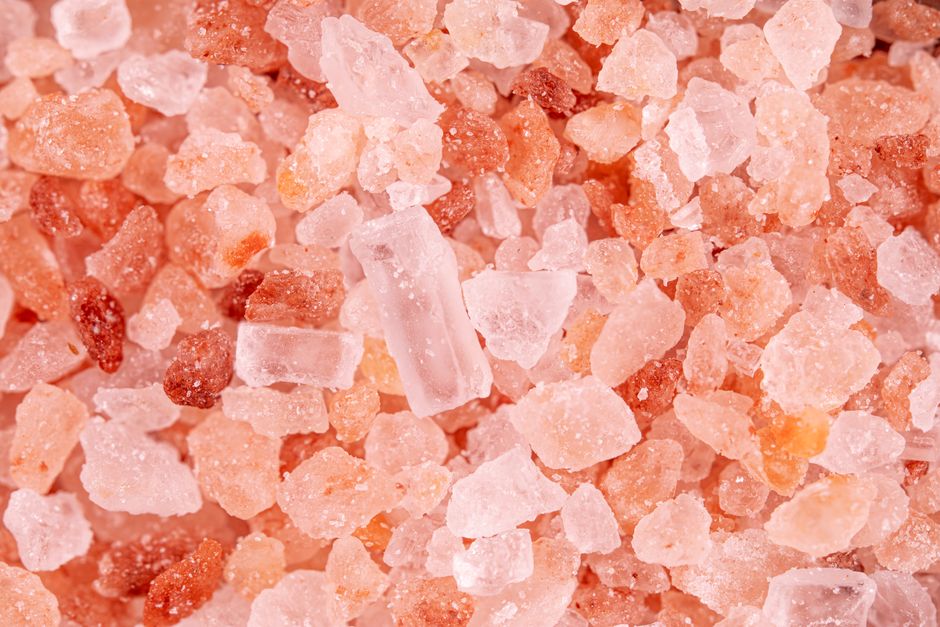
Epsom salt looks a lot like table salt, which is exactly why people ask whether they can eat it. The short answer is that Epsom salt is not a food and is not meant to be swallowed as a seasoning or supplement. It is magnesium sulfate, a chemical with real medical uses, and taking it by mouth carries genuine risks that most people do not expect from something sold near the bath products.
Is Epsom Salt Edible?
Epsom salt is technically ingestible in the sense that swallowing it will not instantly poison you, but it is not an edible food and should not be treated like one. The U.S. Food and Drug Administration classifies magnesium sulfate as a laxative ingredient, not a dietary supplement or seasoning. That distinction matters because the dose that produces a laxative effect is also close to the dose that can cause serious problems.
People sometimes confuse “edible” with “safe to eat.” Epsom salt is neither a nutrient source nor a flavoring. It is a saline laxative with a narrow margin between the amount that works and the amount that harms. That margin is the whole story here.
What Is Epsom Salt Actually Made Of?
Epsom salt is magnesium sulfate, a compound of magnesium, sulfur, and oxygen. The name comes from Epsom, England, where the mineral was first found in the water of a bitter spring in the 1600s. Despite the word “salt,” it has nothing to do with sodium chloride, the salt you put on food.
The chemical formula is MgSO₄, usually found as the heptahydrate form with seven water molecules attached. It dissolves easily in water and has a bitter, unpleasant taste. That bitterness is one reason people rarely eat it by accident more than once.
Magnesium is a genuinely essential mineral. It plays a role in hundreds of enzyme reactions, muscle and nerve function, blood pressure regulation, and bone health. The problem is not magnesium itself. The problem is the delivery method. Swallowing magnesium sulfate is a poor and risky way to get a mineral your body needs in small, controlled amounts.
Why Do People Take Epsom Salt By Mouth?
The main legitimate use of oral Epsom salt is as a laxative. Magnesium sulfate draws water into the intestines, which softens stool and stimulates a bowel movement. This is an established medical effect, and magnesium sulfate is listed as an active ingredient in some over-the-counter laxative products.
Some people also swallow it hoping for other benefits. These include claims about detox, digestion, sleep, and general mineral replenishment. None of these uses are supported by strong clinical evidence, and several are marketing claims rather than medical ones.
There is one narrow clinical setting where magnesium sulfate is given by mouth or IV under medical supervision. It is used in specific hospital situations, including certain pregnancy complications. That use happens under close monitoring of blood levels and kidney function. It is not something anyone should attempt at home.



What Happens If You Eat Epsom Salt?
A small amount may cause loose stools, stomach cramps, and nausea. A larger amount can cause diarrhea, dehydration, and drops in blood pressure. The same water-drawing effect that makes it a laxative can pull too much fluid from your body.
The more serious risk is magnesium toxicity. The kidneys normally clear excess magnesium, but they can only handle so much at once. When intake overwhelms that capacity, magnesium builds up in the blood. Early signs include flushing, low blood pressure, nausea, and muscle weakness. As levels rise, serious effects can include slowed heart rate, dangerous heart rhythms, difficulty breathing, and in severe cases, cardiac arrest.
People with reduced kidney function are at much higher risk because their bodies cannot clear the magnesium. This includes older adults, people with chronic kidney disease, and anyone taking medications that affect kidney function. For these groups, even a moderate dose can be dangerous.
Who Should Never Eat Epsom Salt?
Certain groups face elevated risk and should avoid oral Epsom salt entirely unless a doctor specifically directs it. The list is not short.
- Anyone with kidney disease or reduced kidney function
- People taking diuretics, certain blood pressure medications, or drugs that slow bowel movements
- Pregnant women, unless under direct medical supervision for a specific clinical reason
- Children, unless a pediatrician has prescribed it
- Older adults, who often have reduced kidney clearance even without a diagnosis
- Anyone with a bowel obstruction, ileus, or unexplained abdominal pain
- People with heart conditions or on medications that affect heart rhythm
This is not a complete list, and it is one reason oral magnesium sulfate is best treated as a medication rather than a home remedy. Drug interactions and underlying conditions can turn a “small dose” into a problem.
Can You Absorb Magnesium Through Your Skin Instead?
This is a common question, and the answer is not as simple as bath product marketing suggests. The idea is that soaking in Epsom salt lets magnesium pass through the skin. The evidence for meaningful absorption this way is limited and mixed.
Some small studies have measured changes in blood magnesium after Epsom salt baths, but the results are inconsistent and the amounts involved appear small. The skin is designed to keep things out, not to absorb minerals efficiently. Research in this area is ongoing, and no large, well-controlled human trials have confirmed that Epsom salt baths meaningfully raise magnesium levels in the body.
What a warm Epsom salt bath can reliably do is help you relax, soothe sore muscles temporarily, and feel good. Those effects are real but they come mostly from the warm water and the ritual, not from magnesium entering your bloodstream. That is an honest distinction worth keeping in mind.
Is There a Safe Way to Get More Magnesium?
If your goal is magnesium intake, food is the better route. Magnesium is found in a wide range of everyday foods, and dietary magnesium is absorbed gradually and safely.
Good food sources include:
- Nuts and seeds, especially almonds, cashews, and pumpkin seeds
- Leafy green vegetables like spinach and Swiss chard
- Legumes, including beans, lentils, and chickpeas
- Whole grains such as brown rice and oats
- Some fish, including salmon and mackerel
- Dark chocolate in moderate amounts
For most healthy adults, a balanced diet provides enough magnesium. If you suspect a deficiency, the sensible step is a conversation with a doctor and possibly a blood test, not a spoonful of bath salt. Magnesium supplements exist in several forms, and a clinician can recommend one that fits your situation and does not interact with your medications.
What About Other “Edible” Salt Confusion?
Part of the confusion comes from the word “salt.” In chemistry, a salt is any compound formed from an acid and a base. That includes table salt, Epsom salt, and many substances that have nothing to do with food. The shared name does not mean a shared safety profile.
Epsom salt is also sometimes confused with other magnesium products sold as supplements, such as magnesium citrate or magnesium glycinate. Those are formulated for oral use and dosed for human consumption. Epsom salt is not the same product, and treating it as interchangeable is a mistake that can lead to real harm.
The Bottom Line on Eating Epsom Salt
Epsom salt is not a food, not a seasoning, and not a safe DIY supplement. Its only established oral use is as a laxative, and even that use carries risk because the effective dose sits close to the dangerous one. The magnesium your body needs is best obtained from food, and any concern about deficiency belongs in a doctor’s office, not a bag of bath crystals.
If someone has swallowed a large amount of Epsom salt, especially a child or anyone with kidney problems, treat it as a potential emergency. Contact a poison control center or seek medical care right away. Do not wait for symptoms to decide whether it was too much.
Frequently Asked Questions
Can you eat Epsom salt safely?
Epsom salt is not a food and is not safe to eat as a seasoning or supplement. Its only established oral use is as a laxative, and that use carries real risks because the effective dose is close to the harmful one.
What happens if you swallow a spoonful of Epsom salt?
A spoonful can cause diarrhea, cramping, dehydration, and drops in blood pressure. In higher amounts or in people with kidney problems, it can cause dangerous magnesium buildup affecting the heart and breathing.
Is Epsom salt the same as table salt?
No. Epsom salt is magnesium sulfate, while table salt is sodium chloride. They share the word “salt” only because both are chemical salts, not because they are similar or interchangeable.
Can you absorb magnesium from an Epsom salt bath?
The evidence for meaningful magnesium absorption through the skin is limited and mixed. A warm bath can help you relax and ease sore muscles, but that effect comes mostly from the water and the ritual.
