
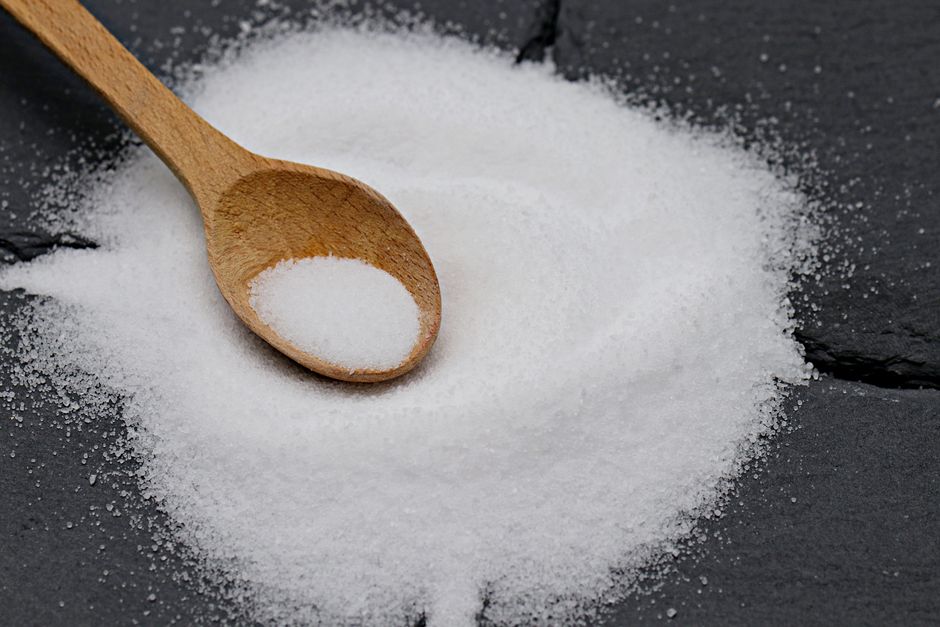
Yes, sodium is in salt. In fact, table salt is roughly 40% sodium by weight. The other 60% is chloride. When people talk about cutting back on sodium, they are talking about cutting back on salt. The two words are often used as if they mean the same thing, but they are not identical. Salt is a mineral compound. Sodium is one of the elements that makes up that compound. Understanding this difference matters for anyone trying to manage blood pressure or heart health.
What Is the Difference Between Salt and Sodium?
Salt is a crystal made of two elements: sodium and chloride. Its chemical name is sodium chloride. Sodium is a mineral that your body needs to function. It helps control fluid balance, transmit nerve signals, and allow muscles to contract.
When you sprinkle salt on food, you are adding both sodium and chloride to your meal. But sodium is the part that gets measured on nutrition labels. Food manufacturers list sodium in milligrams because that is the nutrient health experts track. You will rarely see “salt” listed on a label. You will see sodium.
This distinction explains a common confusion. Someone might say “I don’t add salt to my food” while still eating plenty of sodium. That sodium comes from processed foods, sauces, breads, and canned goods. The salt shaker is only one source of sodium in a typical diet.
How Much Sodium Is in a Teaspoon of Salt?
A single teaspoon of table salt contains about 2,300 milligrams of sodium. That number is worth remembering because it matches the upper daily limit recommended for most adults. In other words, one level teaspoon of salt puts you at the maximum sodium intake for the entire day.
Not all salts weigh the same, though. Coarse salts like kosher salt take up more space for the same weight. A teaspoon of kosher salt has less sodium than a teaspoon of fine table salt because the crystals are larger and pack less tightly. If you measure by weight instead of volume, the sodium content is the same. But most people cook by volume, so the type of salt matters in practice.
Sea salt and Himalayan pink salt are not lower in sodium. They contain roughly the same amount as table salt by weight. The difference is trace minerals and taste, not sodium content. No type of salt is a meaningful source of low-sodium flavoring.
Why Does Your Body Need Sodium?
Sodium is not inherently bad. It is an essential mineral. Your body cannot make it, so you must get it from food. Sodium works with potassium to maintain the balance of fluids inside and outside your cells. This balance affects blood volume, which directly influences blood pressure.
Nerve cells use sodium to generate electrical signals. When a nerve fires, sodium rushes into the cell and potassium moves out. This exchange is how your brain communicates with your muscles and organs. Without sodium, your nervous system would stop working.
Your kidneys are the main regulators of sodium. They filter sodium from your blood and excrete the excess in urine. When you eat more sodium than your kidneys can remove, sodium accumulates in your blood. Water follows sodium, which increases blood volume. More blood volume means more pressure on your artery walls. That is the basic mechanism linking high sodium intake to high blood pressure.
-
 EyeFortin Reviews 2026: Clear Vision Or A marketing Scam?
 -
Mounjaboost Reviews & Complaints: Does Drops Work for Weight Loss?
-
Yu Sleep Weight Loss Supplement Reviews. Critical March 2026 Update.
-
Neuro Energizer Review 2026. Legit Brain Tool or Just Hype?
-
Acupuncture for Weight Loss: Does It Really Work?




How Much Sodium Should You Have Per Day?
Health authorities generally recommend limiting sodium to less than 2,300 milligrams per day for most adults. That is about one teaspoon of salt. People with high blood pressure, kidney disease, or heart failure may be advised to aim lower, often around 1,500 milligrams per day.
The average American consumes well above these targets. Most estimates put typical intake between 3,400 and 3,600 milligrams per day. The gap between recommended and actual intake is large. Most of that excess comes from restaurant food and packaged products, not from home cooking.
Here is what contributes the most sodium to a typical diet:
- Breads and rolls
- Cold cuts and cured meats
- Pizza
- Soup
- Sandwiches and burgers
- Cheese
- Pasta dishes
None of these foods taste especially salty. That is why many people are surprised to learn their sodium intake is high. Salt is a flavor enhancer that also preserves food. Processed foods rely on it heavily, even when the final product does not taste salty.
Does Sodium Cause High Blood Pressure?
The relationship between sodium and blood pressure is well established, but it does not affect everyone equally. Some people are salt-sensitive. Their blood pressure rises noticeably when they eat more sodium. Others show little change. Research consistently shows that reducing sodium lowers blood pressure on average, but the effect varies from person to person.
Age plays a role. Older adults tend to be more salt-sensitive than younger people. So do people with diabetes, chronic kidney disease, or a family history of hypertension. If you fall into any of these groups, your blood pressure may respond more strongly to sodium intake.
Reducing sodium does not guarantee normal blood pressure. Genetics, weight, physical activity, alcohol intake, and potassium intake all matter. But sodium is one factor you can control. For people with elevated blood pressure, cutting sodium is one of the most effective dietary changes available.
Some research suggests that the relationship between sodium and health outcomes is not a simple straight line. Very low sodium intake may also carry risks for certain populations. The evidence is not fully settled at the extremes. For most people, the practical takeaway is straightforward: reducing from very high intake toward the recommended range is beneficial.
Is Sodium the Same as Salt on Food Labels?
Food labels list sodium, not salt. If a label says a serving contains 500 milligrams of sodium, that means the salt content is about 1,250 milligrams. To convert sodium to salt, multiply the sodium number by 2.5. This conversion is useful when a recipe calls for salt and you want to know how much sodium it adds.
The daily value percentage on labels is based on 2,300 milligrams of sodium. A food with 20% daily value for sodium provides 460 milligrams per serving. Foods with 5% or less are considered low in sodium. Foods with 20% or more are considered high.
One important detail: iodine. Most table salt in the United States is iodized, meaning iodine has been added. Iodine is essential for thyroid function. Sea salt and kosher salt generally do not contain added iodine. If you switch exclusively to non-iodized salts, you may need to get iodine from other foods like dairy, seafood, or eggs.
How Can You Reduce Sodium Without Losing Flavor?
Cutting sodium does not mean eating bland food. Your taste buds adapt to lower salt levels within a few weeks. Foods that once tasted normal will start to taste salty. The adjustment period is real, but it passes.
Acid is a powerful salt substitute. Lemon juice, lime juice, and vinegar brighten flavors in a way that mimics saltiness. Herbs and spices add complexity without any sodium. Garlic, onion powder, cumin, paprika, and chili flakes are all sodium-free seasoning options. Be careful with pre-mixed seasoning blends, which often contain salt as the first ingredient.
Cooking from scratch gives you control. Restaurant meals and packaged foods have hidden sodium because the manufacturer decides the amount. When you cook at home, you decide. You can use less salt than a recipe calls for without ruining the dish. Most recipes tolerate a 25% reduction in salt with little noticeable difference.
Rinsing canned beans and vegetables removes a meaningful portion of the sodium. Draining and rinsing canned beans can reduce sodium by about a third. Choosing “no salt added” versions eliminates it almost entirely. These small swaps add up over the course of a day.
What Happens If You Eat Too Much Sodium Short Term?
One high-sodium meal can cause noticeable effects within hours. You may feel bloated or thirsty. Your body holds onto water to balance the sodium concentration in your blood. This temporary water retention is why the scale can jump up after a salty restaurant meal.
For most healthy people, the kidneys clear the excess sodium within a day or two. Drinking water helps, but it does not instantly flush sodium out. The kidneys work on their own schedule. The temporary weight gain from water is not fat gain, and it resolves as the sodium is excreted.
For people with heart failure or kidney disease, a single high-sodium meal can be more serious. Fluid retention can worsen symptoms quickly. These individuals need to follow their clinician’s sodium guidance strictly. The short-term tolerance that healthy people have is not universal.
Frequently Asked Questions
Is sodium in salt naturally or is it added?
Sodium is naturally part of salt’s chemical structure. Salt is sodium chloride, so sodium is always present in salt. It is not an additive.
Does sea salt have less sodium than table salt?
No. Sea salt and table salt contain about the same amount of sodium by weight. The difference is in crystal size and trace minerals, not sodium content.
How much sodium is in a teaspoon of salt?
One teaspoon of table salt contains about 2,300 milligrams of sodium. That equals the daily upper limit recommended for most adults.
Can your body survive without sodium?
No. Sodium is essential for nerve function, muscle contraction, and fluid balance. Your body cannot make sodium, so it must come from food.
