
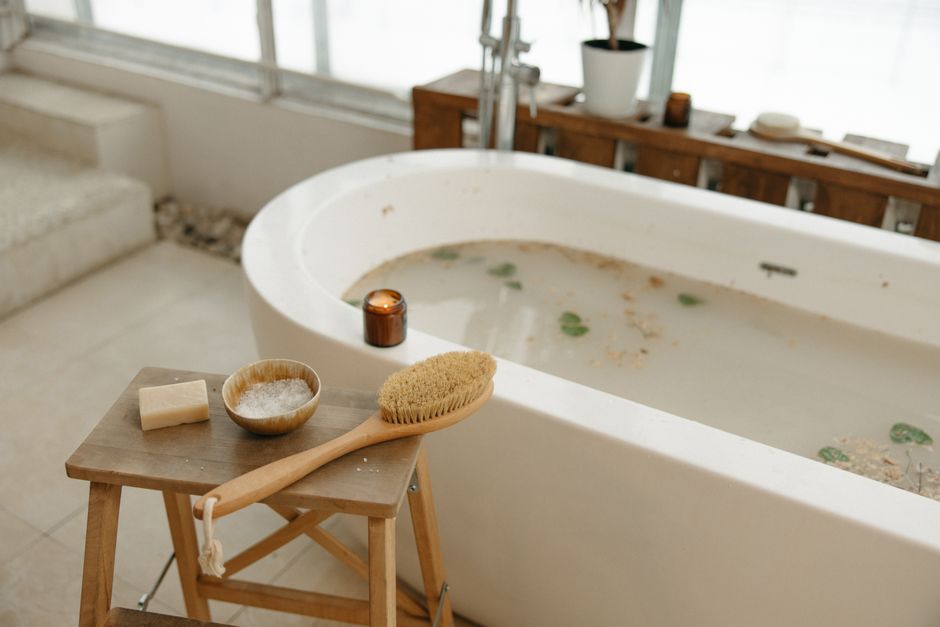
Epsom salt baths are a popular home remedy for muscle soreness and stress. The main ingredient is magnesium sulfate, a mineral compound that dissolves easily in warm water. Many people believe the magnesium absorbs through the skin during a bath, but the scientific evidence for this is actually mixed. Let’s look at what the research really says about Epsom salt baths and whether they live up to the claims.
What Do Epsom Salt Baths Do to Your Body?
The short answer is that Epsom salt baths are primarily a relaxation tool with limited proven medical effects. The warm water alone can help soothe sore muscles and reduce tension. The magnesium sulfate adds a mineral component that some people find beneficial, though the evidence for significant magnesium absorption through the skin is not strong.
Magnesium is an essential mineral involved in hundreds of bodily processes, including muscle function, nerve signaling, and protein synthesis. Oral magnesium supplements are well-studied for certain conditions like constipation and migraine prevention. But whether soaking in a bath delivers meaningful amounts of magnesium to your body is a different question entirely.
When you soak in an Epsom salt bath, you are mostly benefiting from the warm water and the time you take to relax. The buoyancy of the water reduces pressure on joints and muscles. The warmth increases blood flow to the skin’s surface, which can feel soothing. These effects are real, but they are not unique to Epsom salt — a plain warm bath produces similar results.
Does the Magnesium Actually Absorb Through Your Skin?
This is the most debated question about Epsom salt baths. The idea is that magnesium sulfate dissolves in water and the magnesium ions pass through the skin into the bloodstream. Some small studies have suggested that transdermal magnesium absorption is possible. However, the quality of this research is limited, and results are inconsistent.
One often-cited study from 2006 found increased magnesium levels in blood and urine after participants soaked in a magnesium sulfate bath. But this study had methodological problems and has been criticized by other researchers. More recent reviews have concluded that the evidence for meaningful transdermal magnesium absorption is weak.
The structure of human skin is designed to keep things out, not let them in. The outer layer, called the stratum corneum, is a protective barrier made of dead cells and lipids. While some substances can penetrate this barrier, the amount that gets through is typically very small. There is no reliable evidence that a 20-minute Epsom salt bath raises blood magnesium levels to a clinically meaningful degree.
If you have a diagnosed magnesium deficiency, an Epsom salt bath is not a reliable treatment. Oral supplements or dietary changes are the evidence-based approaches for correcting low magnesium levels. The body tightly regulates blood magnesium through the kidneys and intestines, and skin absorption plays at most a minor role.
What Are the Proven Benefits of Epsom Salt Baths?
Despite the weak evidence for magnesium absorption, people report real benefits from Epsom salt baths. These benefits come from the bath experience itself rather than the mineral content.
Muscle relaxation is the most commonly reported benefit. Warm water increases blood flow and helps muscles relax. Adding Epsom salt may enhance this effect through osmotic action, which draws fluid from tissues and can reduce swelling in some cases. Athletes have used Epsom salt baths for decades to aid recovery, though scientific support for this specific practice is limited.
Stress reduction is another real benefit. Taking time to soak in warm water is a form of self-care that can lower cortisol levels and promote relaxation. The ritual of preparing a bath, stepping into warm water, and spending quiet time alone has psychological benefits that are difficult to measure but genuinely felt.
Skin softening is a cosmetic effect that is well-established. Magnesium sulfate can help soften rough skin and may temporarily relieve symptoms of conditions like psoriasis or eczema. The mineral can also help draw out impurities from minor skin irritations, which is why it is sometimes used in foot soaks.





How to Take an Epsom Salt Bath Safely
If you decide to try an Epsom salt bath, there are some practical guidelines to follow. Most products recommend adding about two cups of Epsom salt to a standard bathtub filled with warm water. The water should be warm but not hot — around 38 to 42 degrees Celsius (100 to 108 degrees Fahrenheit) is a comfortable range for most adults.
Soak for 15 to 20 minutes. Longer soaks do not provide additional benefits and can dry out your skin. The salt dissolves quickly, so there is no need to stir or wait. Just add it to running water and step in when it has dissolved.
After the bath, rinse off with clean water. Epsom salt can leave a residue on your skin that feels drying. Pat your skin dry rather than rubbing, and apply moisturizer if your skin feels tight.
Drink water before and after your bath. Warm baths cause sweating, which can lead to mild dehydration. A glass of water before and after helps maintain fluid balance.
Who Should Avoid Epsom Salt Baths?
Most healthy adults can safely take an Epsom salt bath. But certain groups should be cautious.
People with kidney disease should avoid Epsom salt baths unless their doctor approves. The kidneys filter magnesium from the blood. If they are not functioning properly, magnesium levels can rise to dangerous levels. While skin absorption appears minimal, the precaution is still warranted.
People with heart conditions should talk to their doctor before taking hot baths of any kind. Hot water dilates blood vessels and can cause blood pressure to drop. This can be problematic for people with unstable heart conditions or those taking blood pressure medications.
People with open wounds or severe skin conditions should avoid Epsom salt baths. The salt can irritate broken skin and increase the risk of infection. If you have diabetic neuropathy or poor circulation, check with your doctor before soaking your feet in Epsom salt solutions.
Pregnant women should use caution with any hot bath. Elevated core body temperature in early pregnancy has been associated with birth defects. Warm baths are generally considered safe, but very hot water should be avoided. Always check with your obstetrician before starting any new bath routine.
Older adults should be careful getting in and out of the bathtub. The combination of warm water, slippery surfaces, and potential blood pressure changes increases the risk of falls. Having someone nearby or using a bath seat can reduce this risk.
Epsom Salt Baths vs. Other Magnesium Sources
If your goal is to increase your magnesium intake, a bath is not the most effective method. Food is the best source. Green leafy vegetables, nuts, seeds, whole grains, and legumes are rich in magnesium. A single serving of almonds or spinach provides more magnesium than an entire bath.
Oral magnesium supplements are well-absorbed and have been studied for various conditions. Magnesium citrate and magnesium glycinate are common forms. However, oral magnesium can cause digestive upset, including diarrhea, especially at higher doses. The recommended dietary allowance for magnesium is 310 to 420 milligrams per day for adults, depending on age and sex.
Some people prefer baths because they avoid the digestive side effects of oral supplements. This is a reasonable preference for relaxation purposes. But if you are trying to correct a deficiency, talk to your doctor about the best approach. Blood tests can determine whether you are actually deficient.
What the Research Does and Does Not Show
The evidence for Epsom salt baths is best described as mixed. There is no large, high-quality clinical trial showing that Epsom salt baths cure or treat any medical condition. The claims you see online about detoxification, curing magnesium deficiency, or treating chronic pain go beyond what the science supports.
Some research suggests that magnesium sulfate can be absorbed through the skin in small amounts. But the clinical significance of this absorption is unclear. No study has shown that transdermal magnesium from a bath produces measurable health improvements that would not occur with a plain warm bath.
The “detox” claim deserves special attention. Your body has its own detoxification systems — the liver, kidneys, and lungs. These organs remove waste products and toxins continuously. There is no evidence that Epsom salt baths enhance this process. The idea that toxins are pulled out through your skin during a bath is not supported by any scientific research.
Frequently Asked Questions
How often can I take an Epsom salt bath?
Most healthy adults can take an Epsom salt bath two to three times per week. More frequent bathing can dry out your skin, so monitor how your skin responds.
Can Epsom salt baths help with weight loss?
No evidence supports this claim. Any weight lost during a bath is water weight from sweating, which returns once you rehydrate.
Are Epsom salt baths safe for children?
Generally yes, but use half the amount of salt and keep the water warm rather than hot. Children’s skin is more sensitive, and they dehydrate faster in warm water.
Do Epsom salt baths actually remove toxins?
No. Your liver and kidneys handle detoxification, and no research shows that Epsom salt baths enhance this process. This is a marketing claim without scientific support.
Epsom salt baths are a pleasant, relaxing practice with modest physical benefits. The warm water soothes muscles and the ritual promotes stress relief. But they are not a medical treatment, and the magnesium absorption claims are not well-supported by evidence. Enjoy the bath for what it is — a simple, affordable way to unwind. Just do not expect it to fix a magnesium deficiency or flush toxins from your body.
